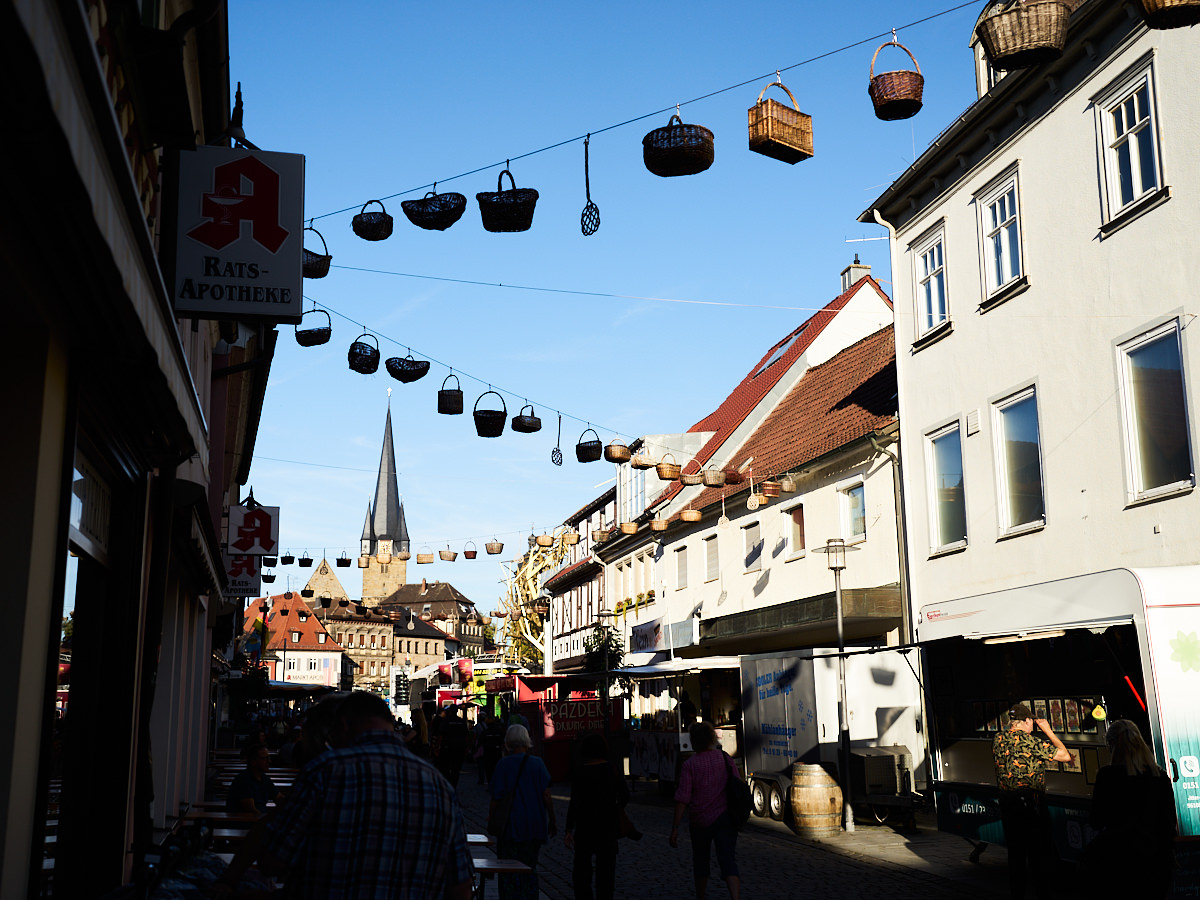
German Basket Museum, Michelau—Germany Business Trip Journal 15 (Final) ドイツかご博物館 ミヒェラウ― ドイツ出張記 15 完
Hello. This is Tomotake Ichikawa.
And now, at last,
this will be the final journal of my business trip to Germany in September 2025.
Having heard that the German Basket Museum is located in Michelau,
a town next to Lichtenfels, I decided to visit.
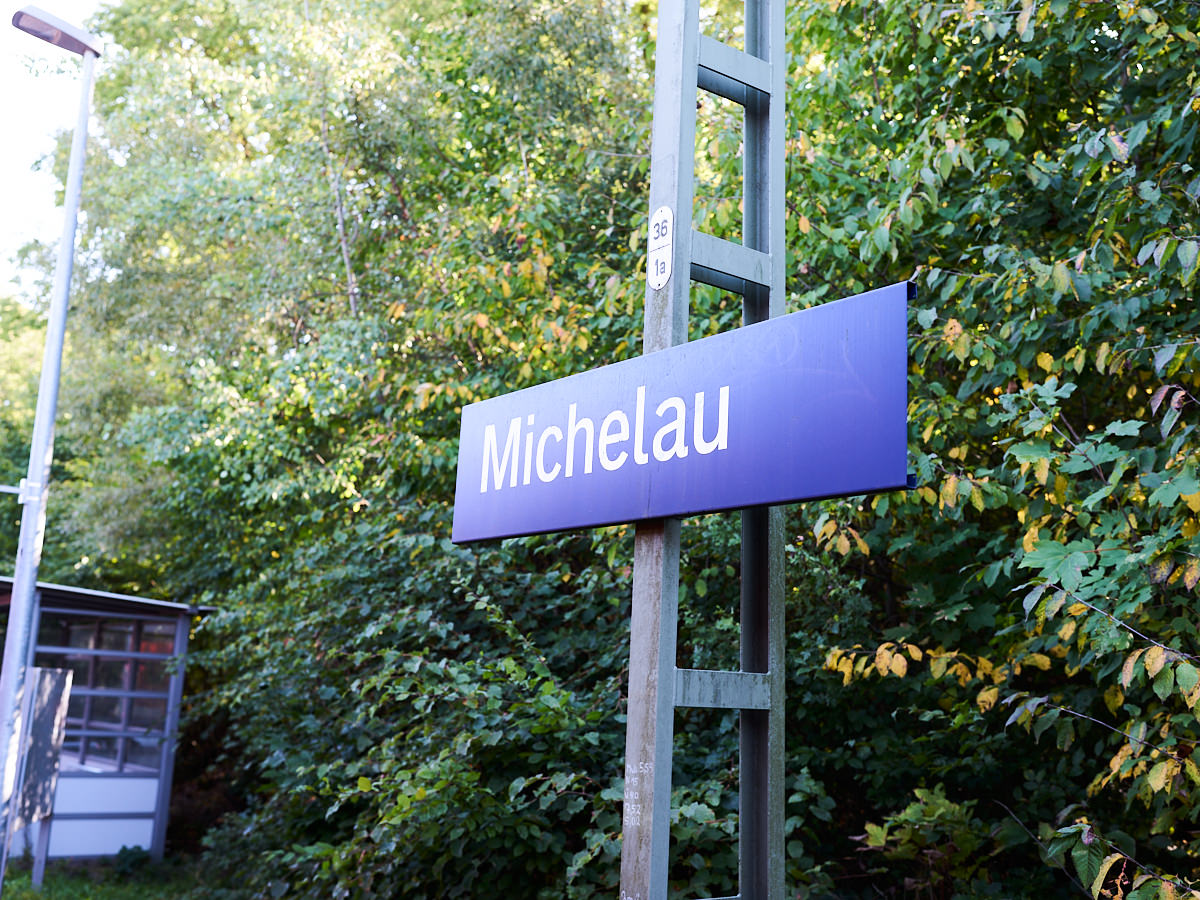
It is just one stop by train from Lichtenfels. During the festival period, shuttle buses also run from Lichtenfels. As I visited the day before the festival, I made my way there by train. 
It takes about a 20-minute walk from Michelau station to the museum. As the road runs almost straight, I was able to find my way there easily, even on my first visit. 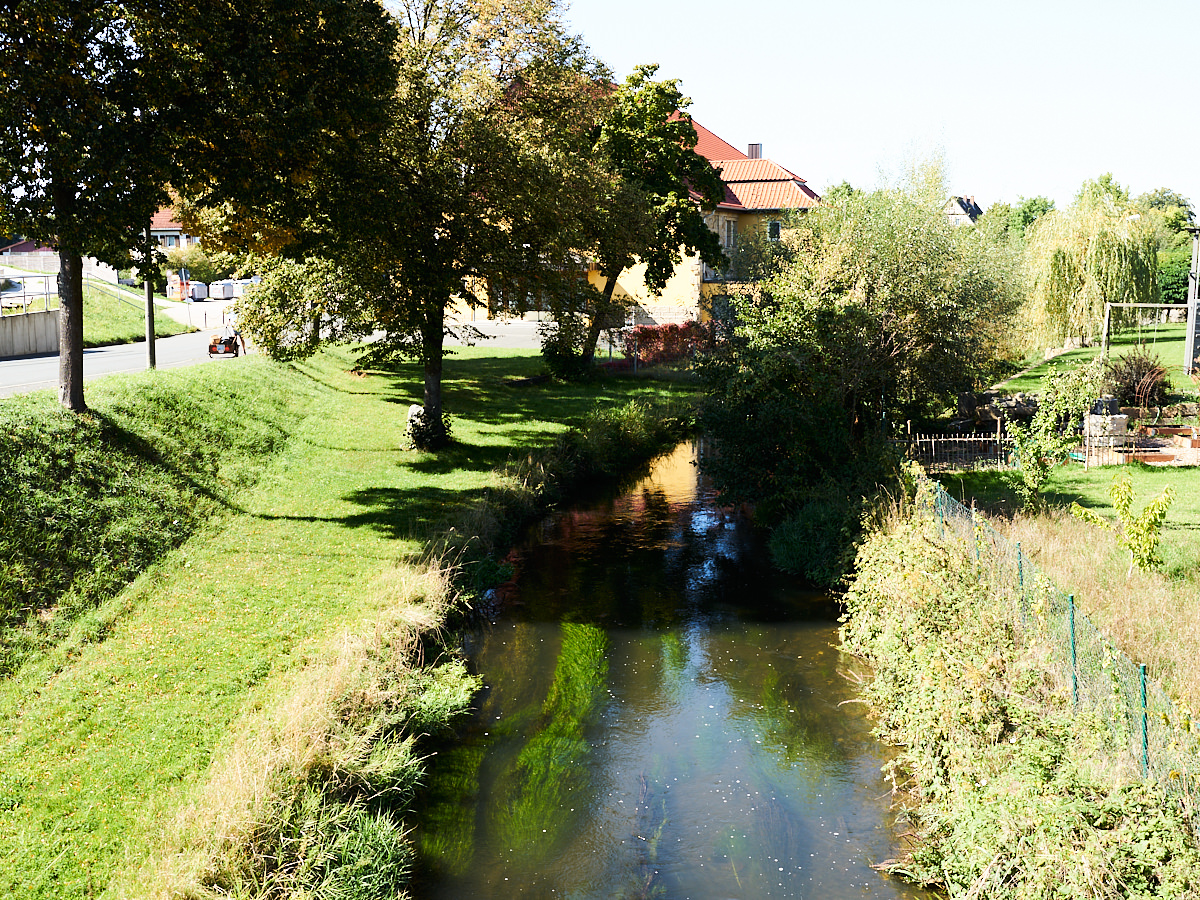
The weather was pleasant that day, and I was able to enjoy a relaxed walk through the town of Michelau. The river was clear and beautifully clean. 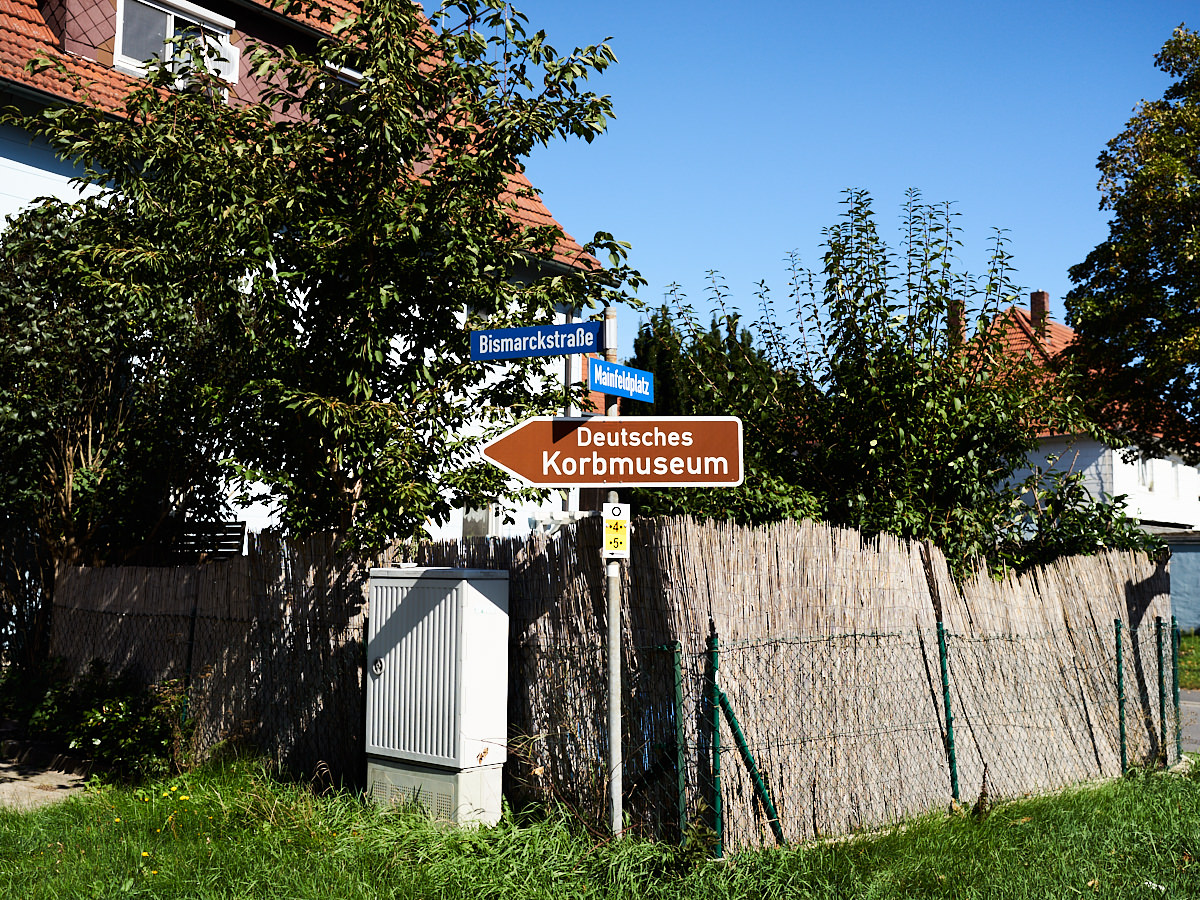
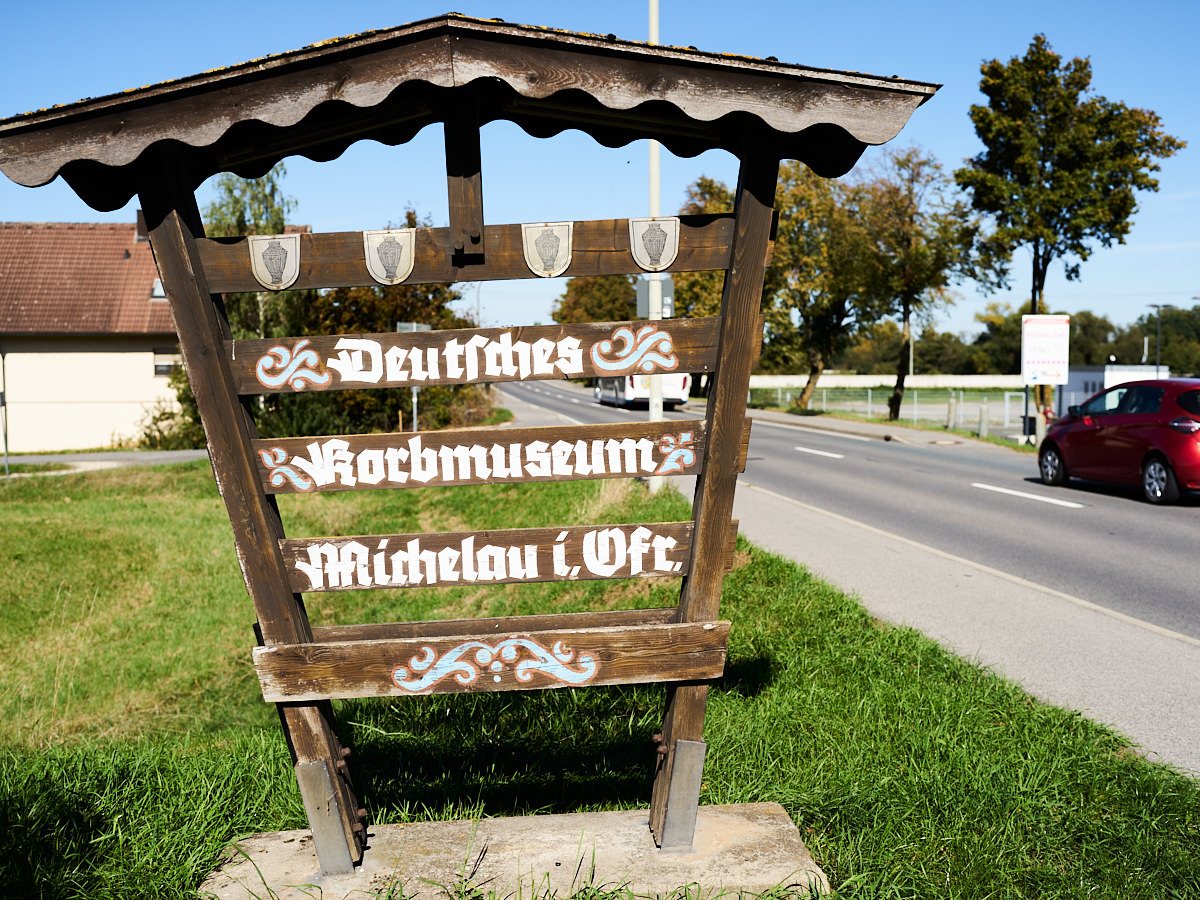
Along the way, signboards like these appear at intervals, guiding the way to the basket museum. Following them, I continued on. 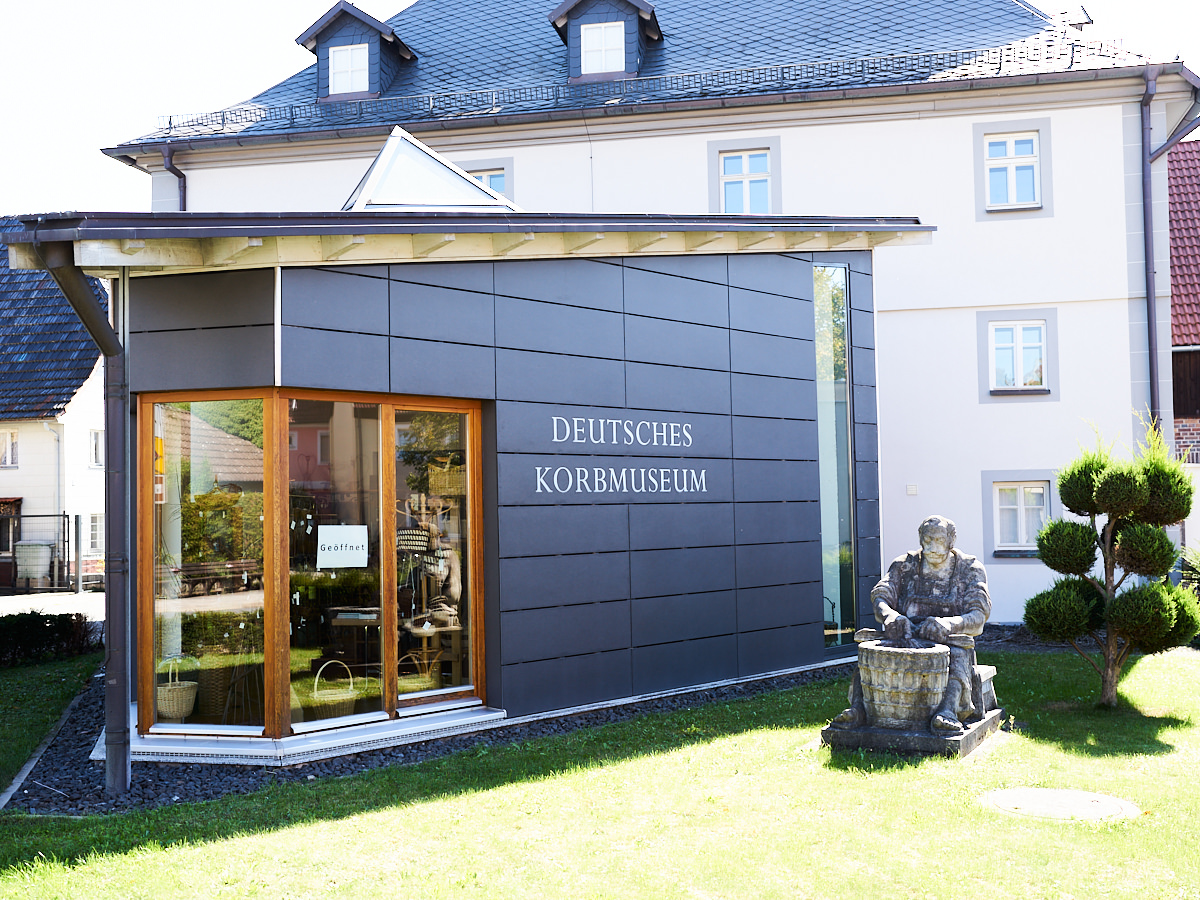
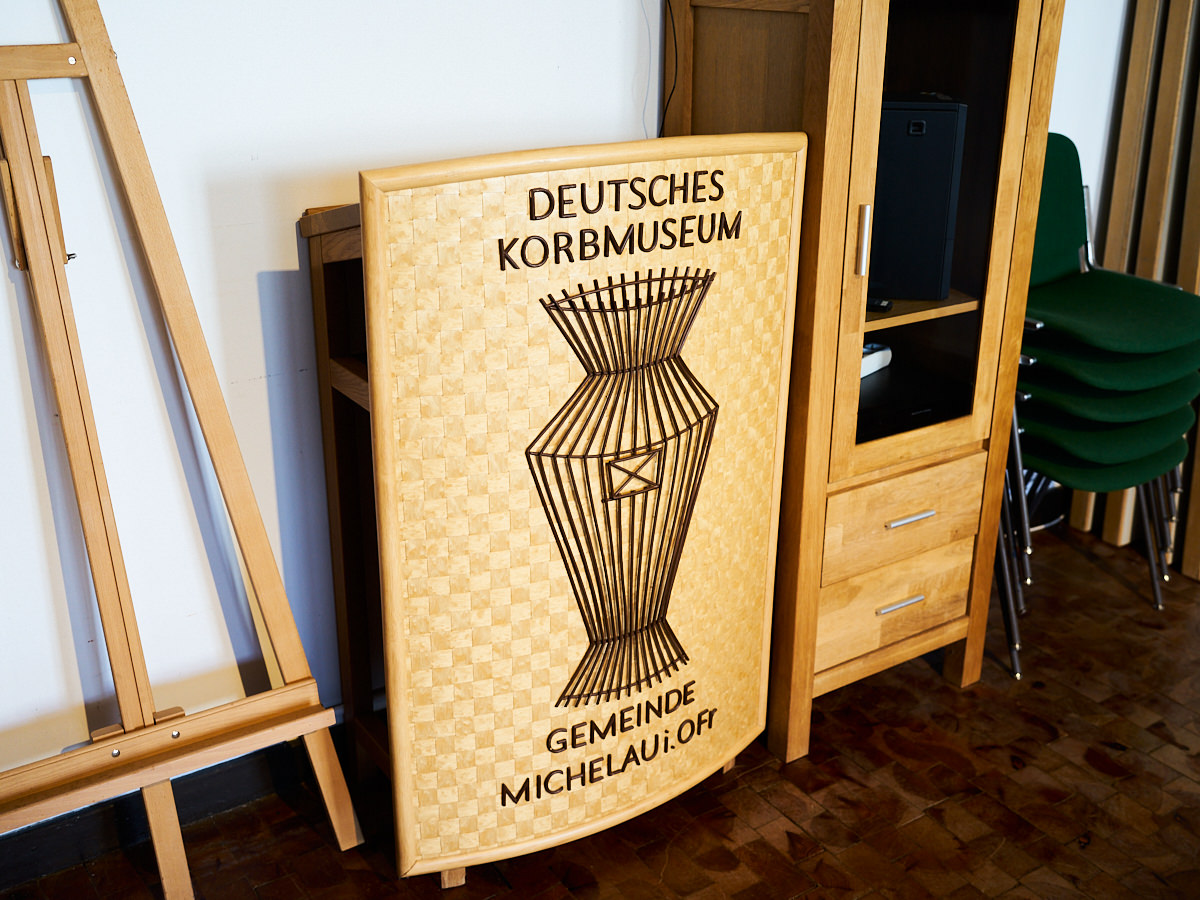
And at last, I arrived. The sign reads “German Basket Museum.” 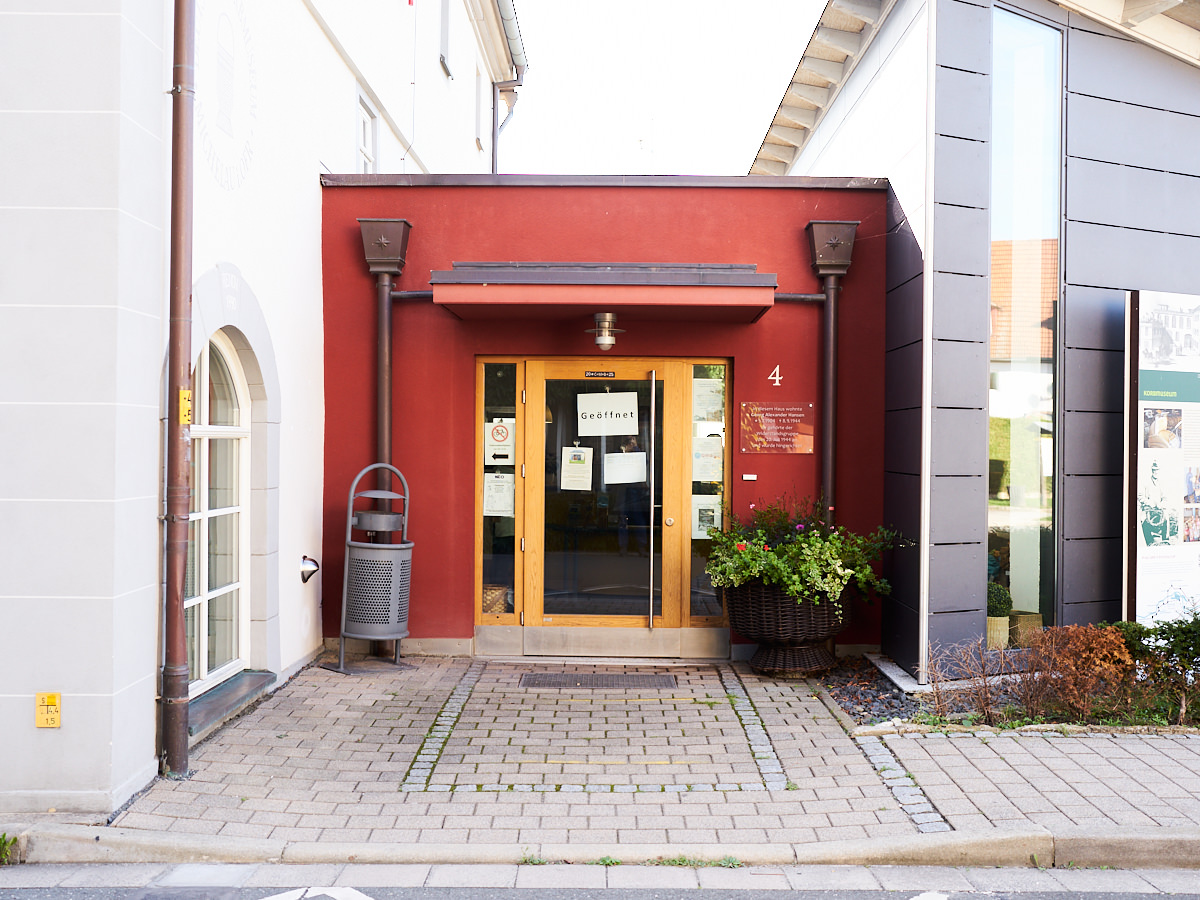
As of September 2025, admission was €4 for adults (about ¥640), €2.50 for children (about ¥400), and €11 for a family ticket (about ¥1,760). There were also group discounts available for parties of 20 or more.
With permission from the staff, I was able to take photographs inside the museum.
Now, let’s take a look inside.
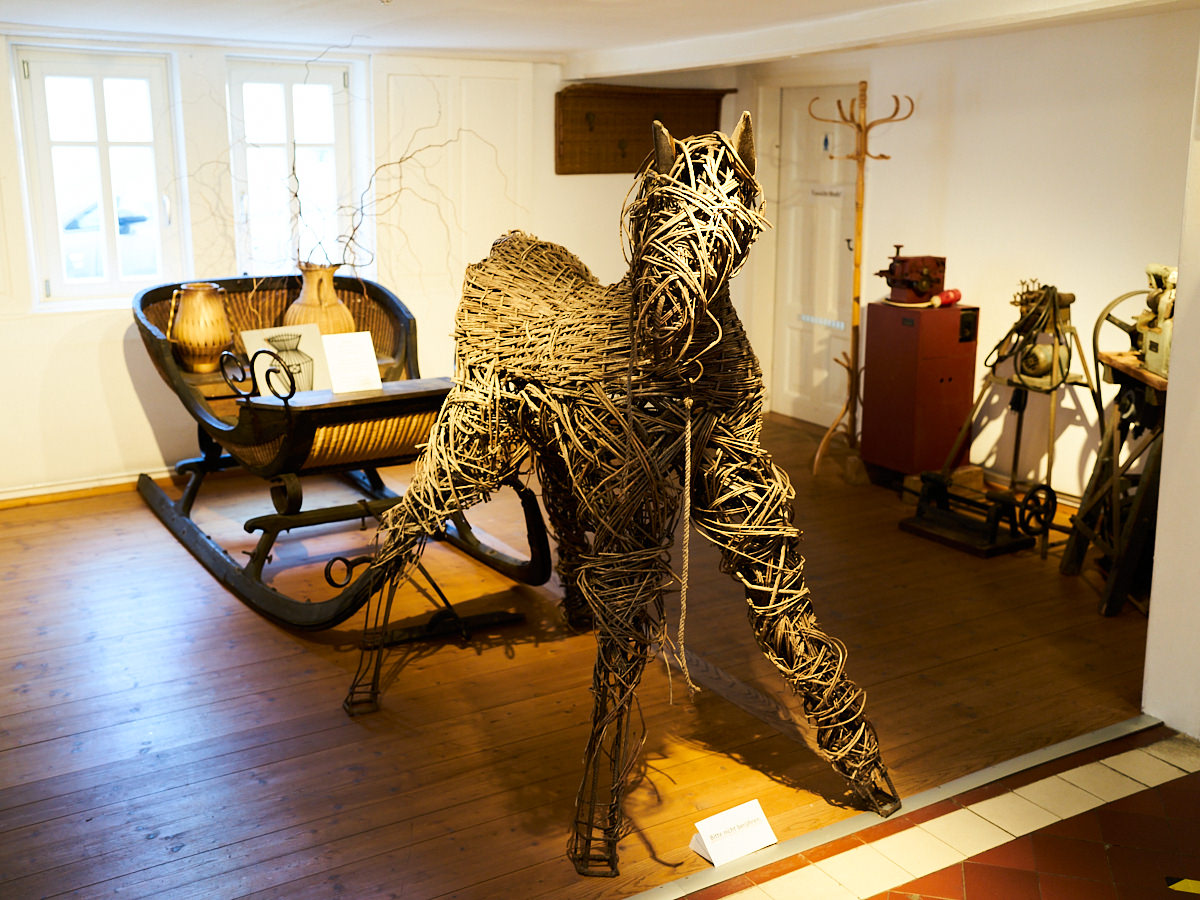
Near the entrance, a large horse and carriage woven from willow greeted visitors. 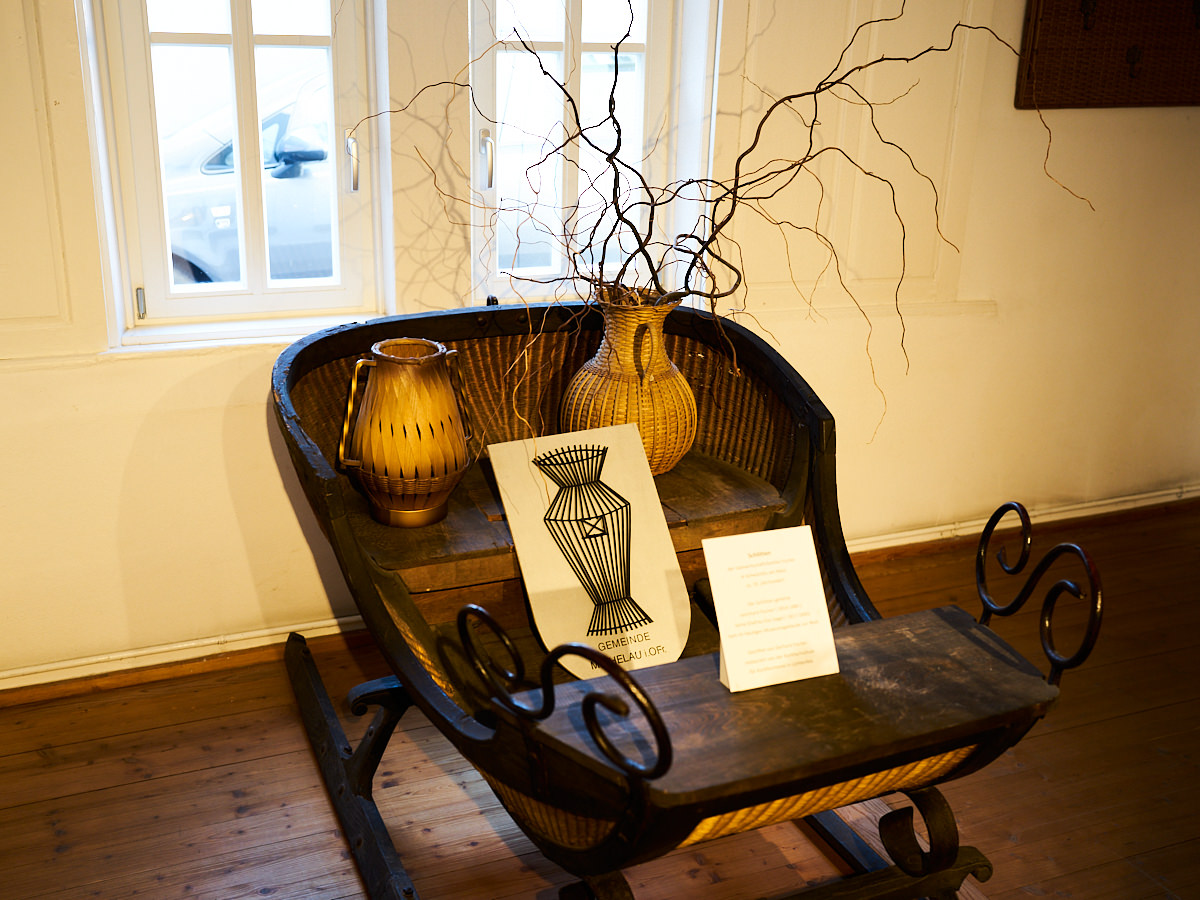
The baskets here had a somewhat different atmosphere from those at the museum in Dalhausen. 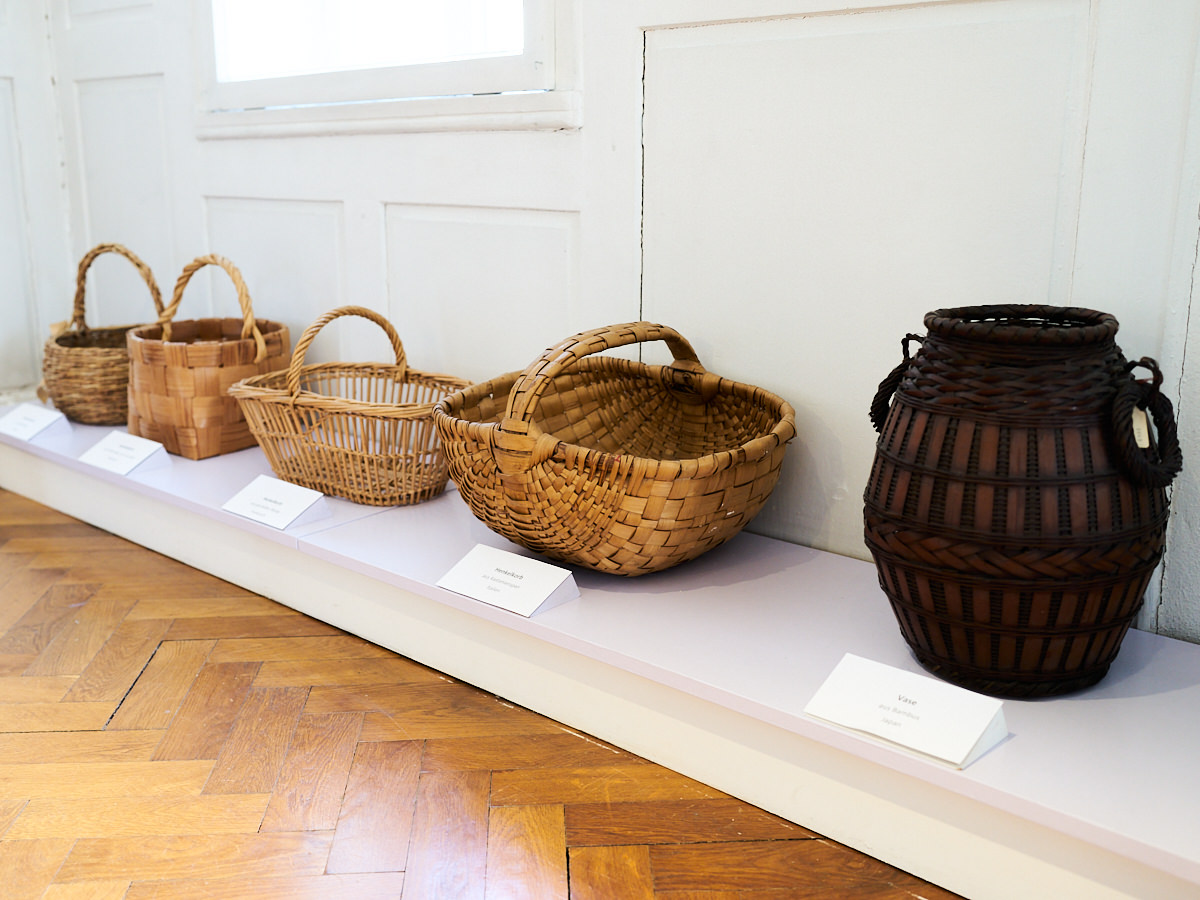
Upon entering the exhibition room, I found displays of baskets from various countries. From the right, they were said to be from Japan, Italy, France, Finland, and Israel. 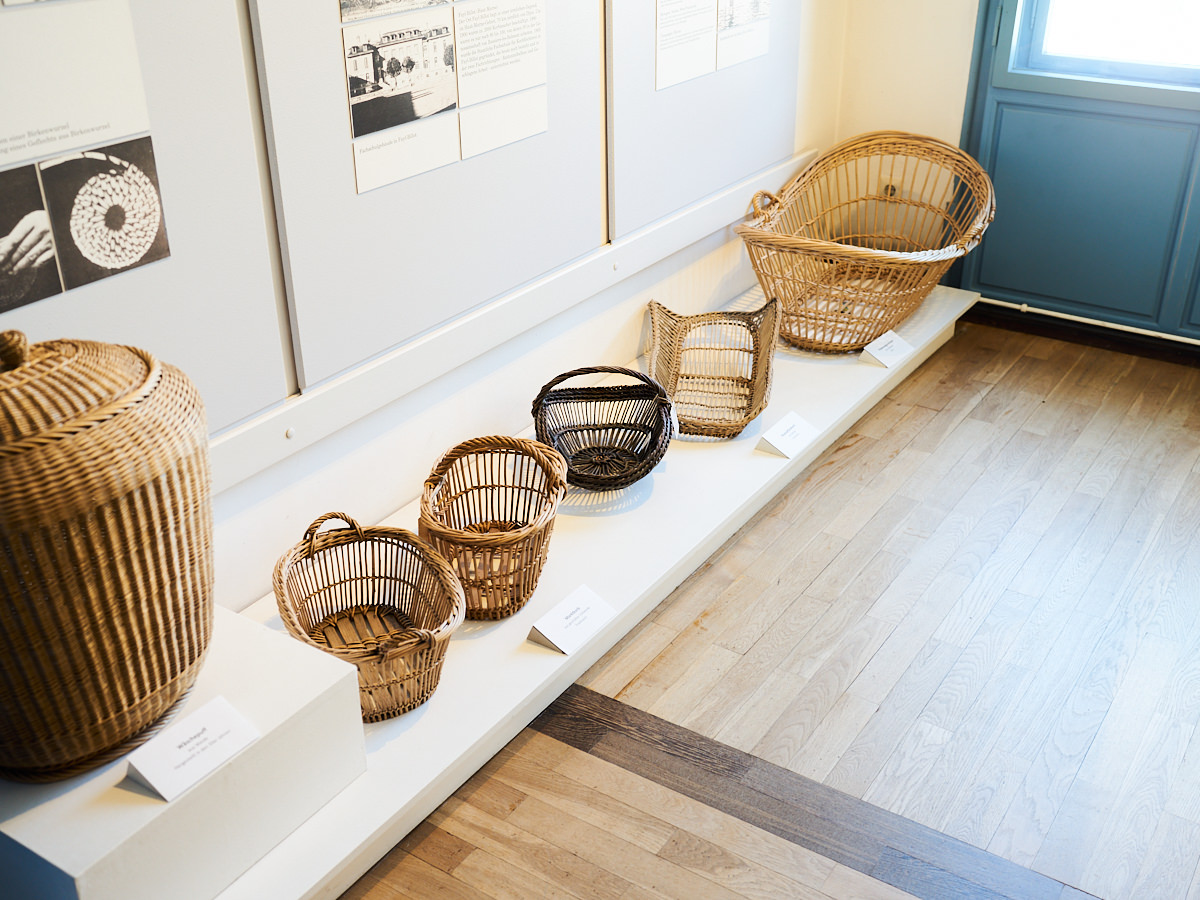
There was also a display of the French basket known as “Bouyricou.” 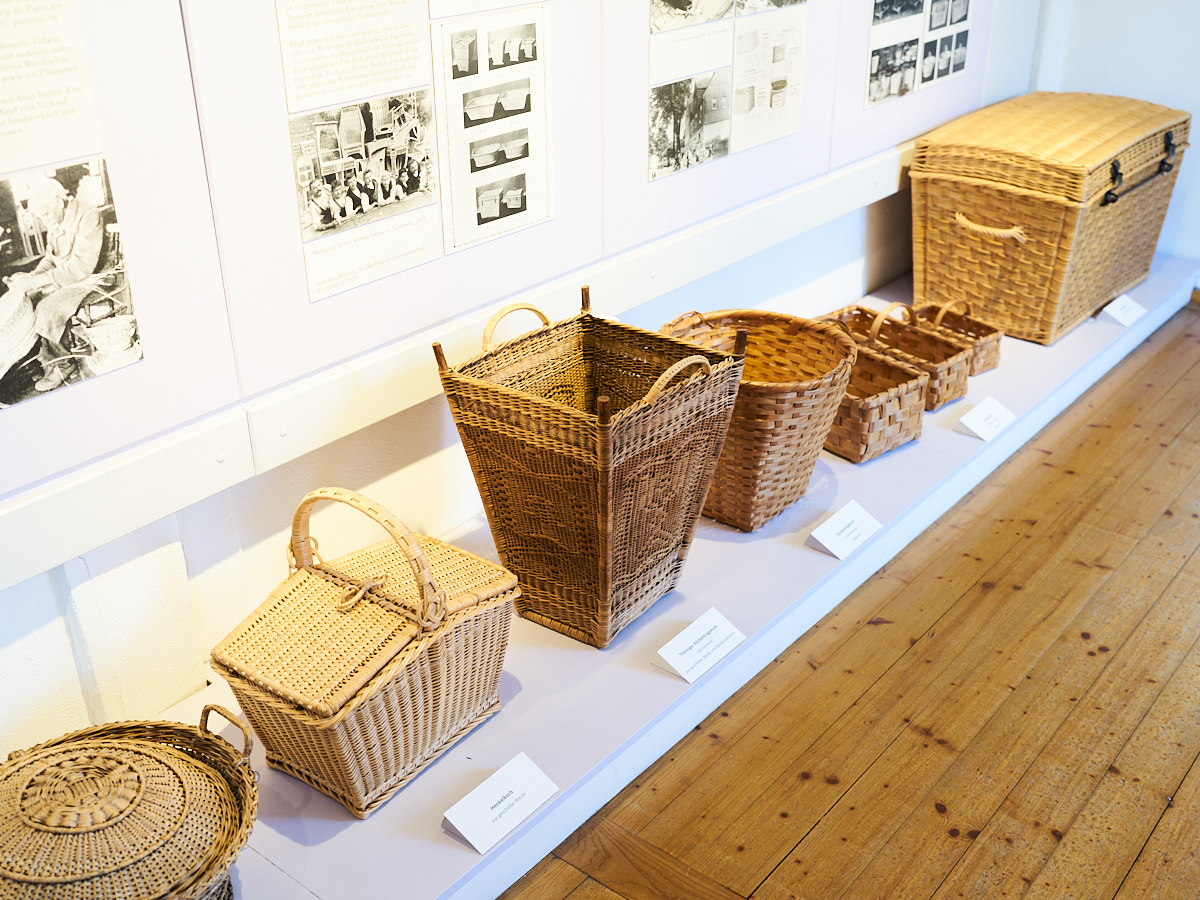
In Germany Business Trip Journal Parts 4–6, I introduced the basket museum in Dalhausen, which focused on the town itself and its basketmakers. In contrast, as its name suggests, the German Basket Museum features baskets from a much broader range, including various parts of Europe and Asia. 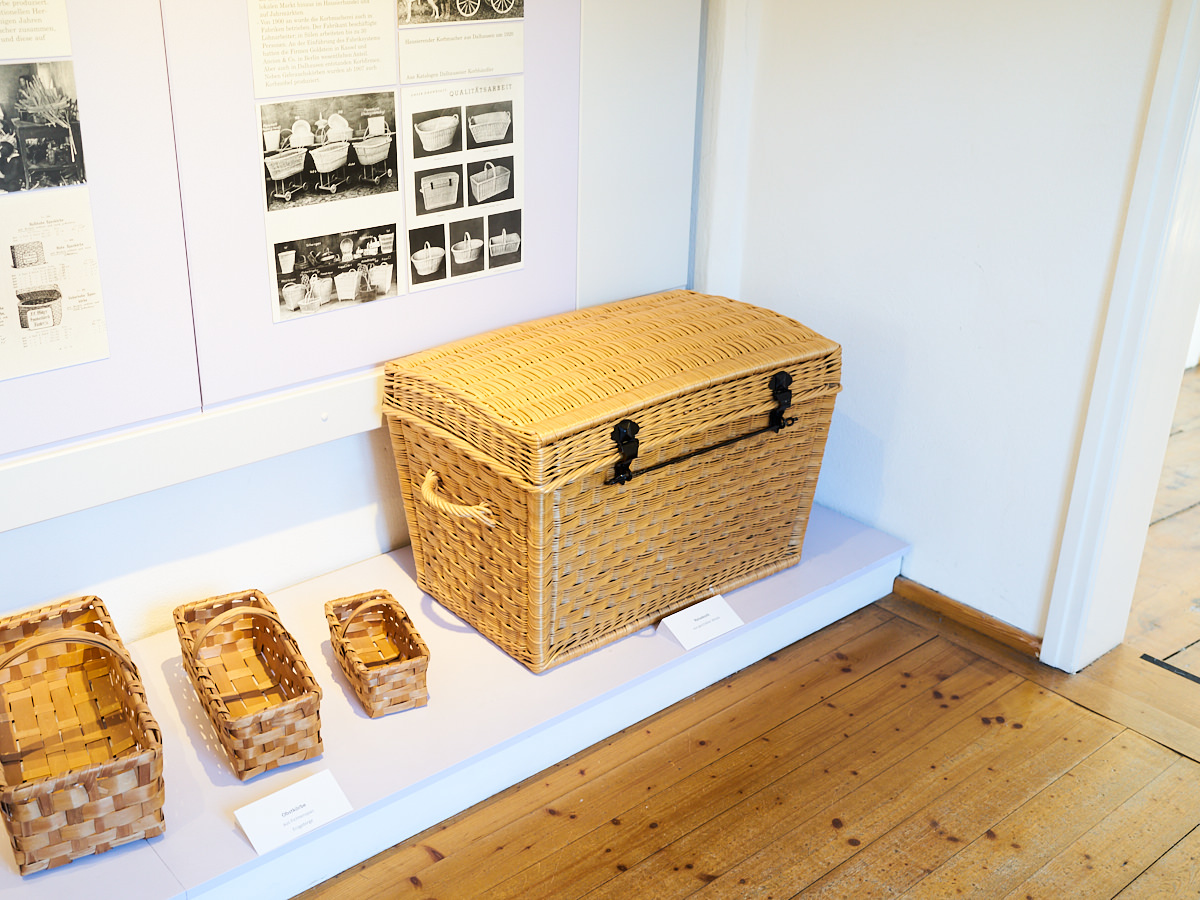
This is a basket in the Dalhausen style. The moment I saw it, memories of Hansgert and my time in Dalhausen came naturally to mind, bringing with them a sense of familiarity. 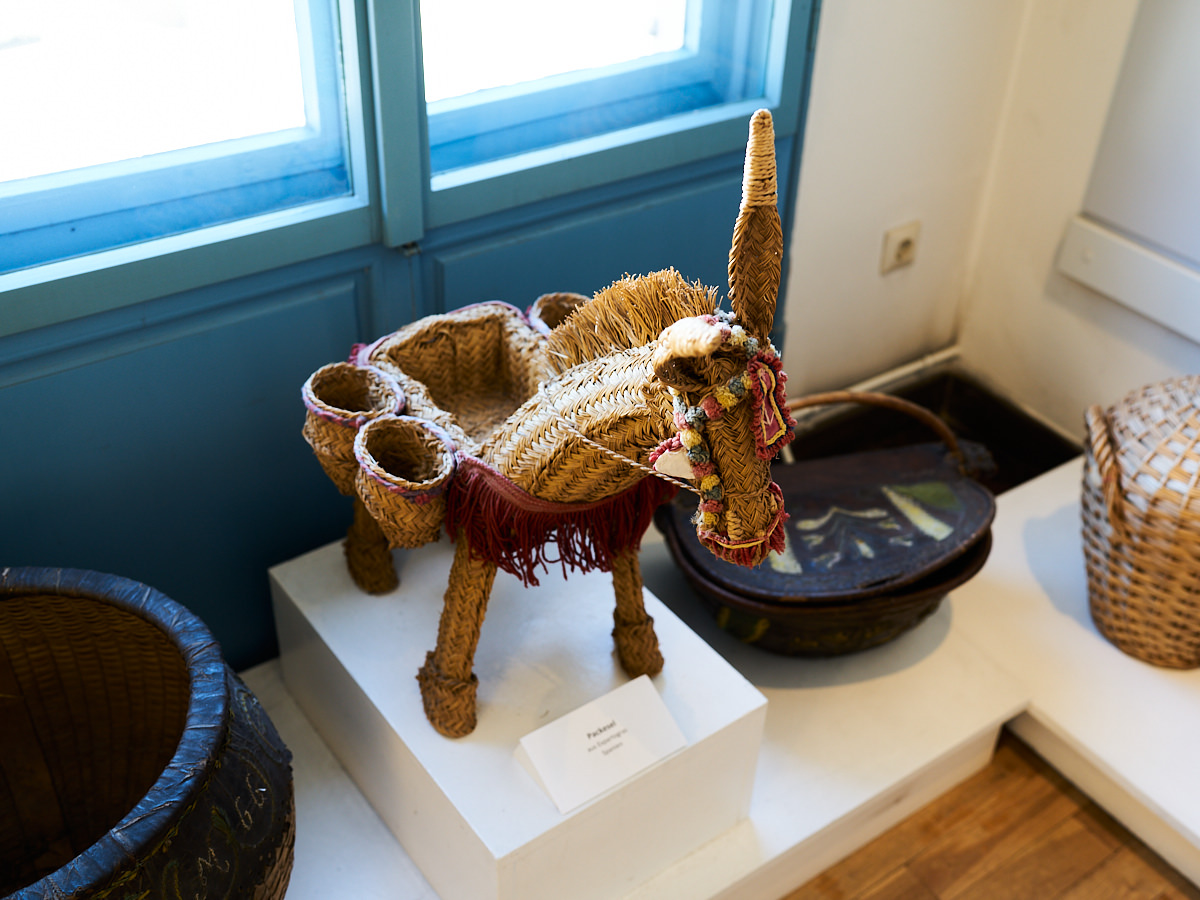
This is a horse made from esparto, a grass native to Spain. 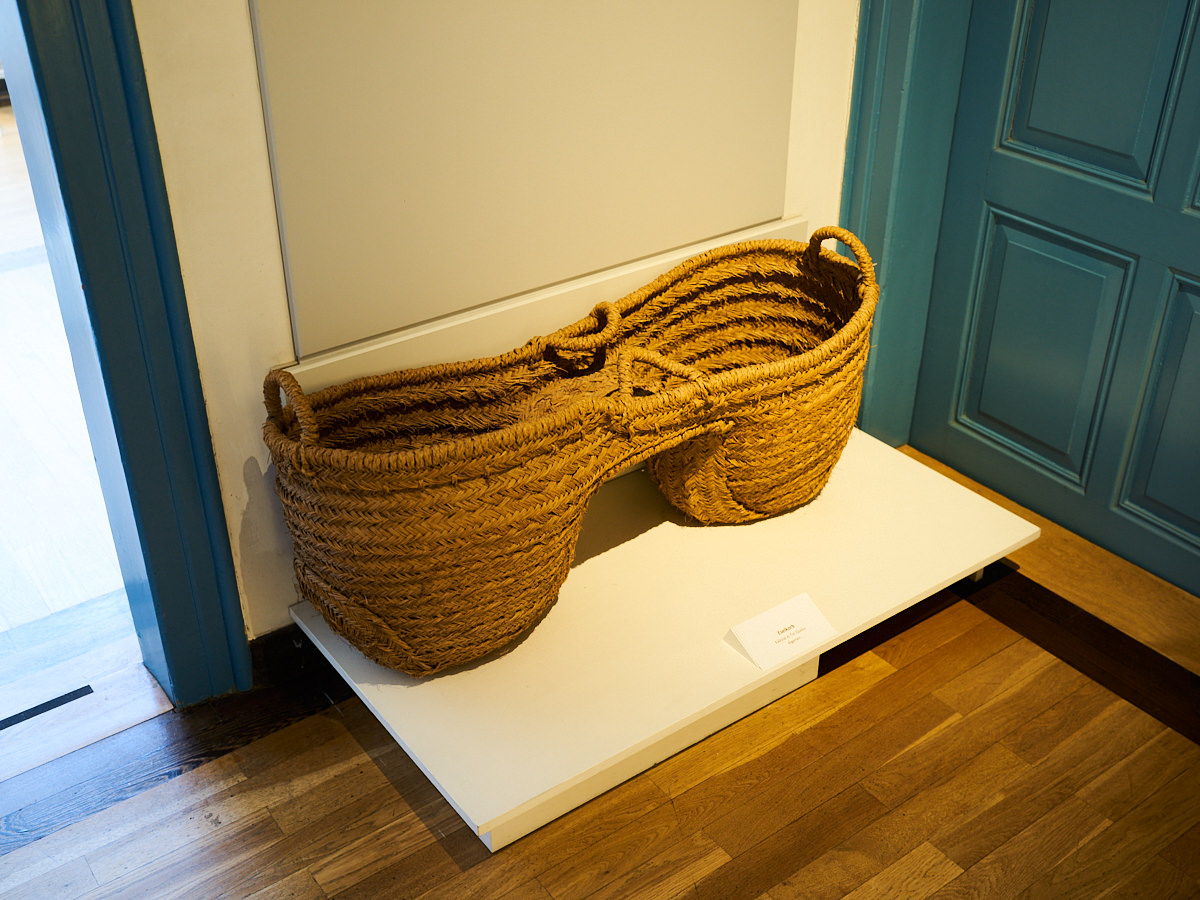
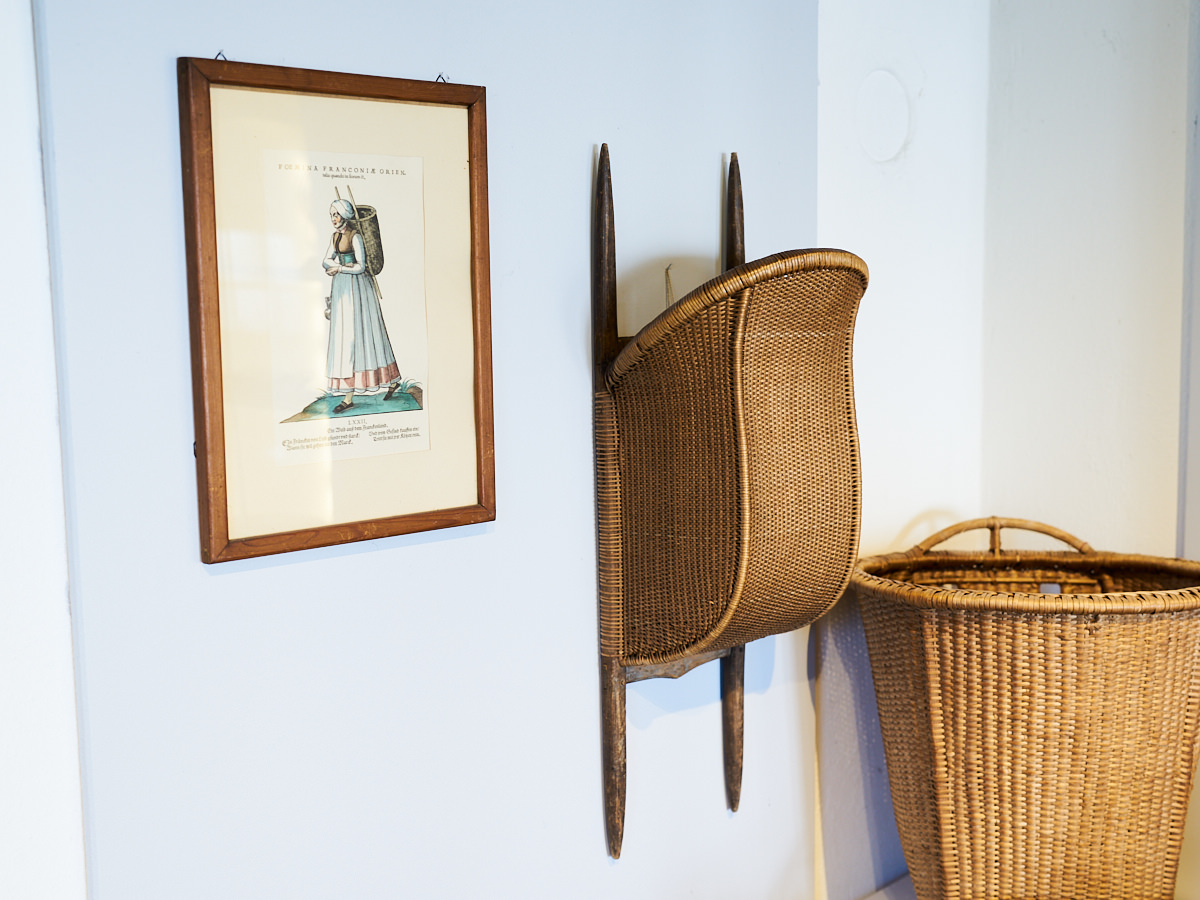
This is also made of esparto—a basket used on the backs of horses and other livestock. 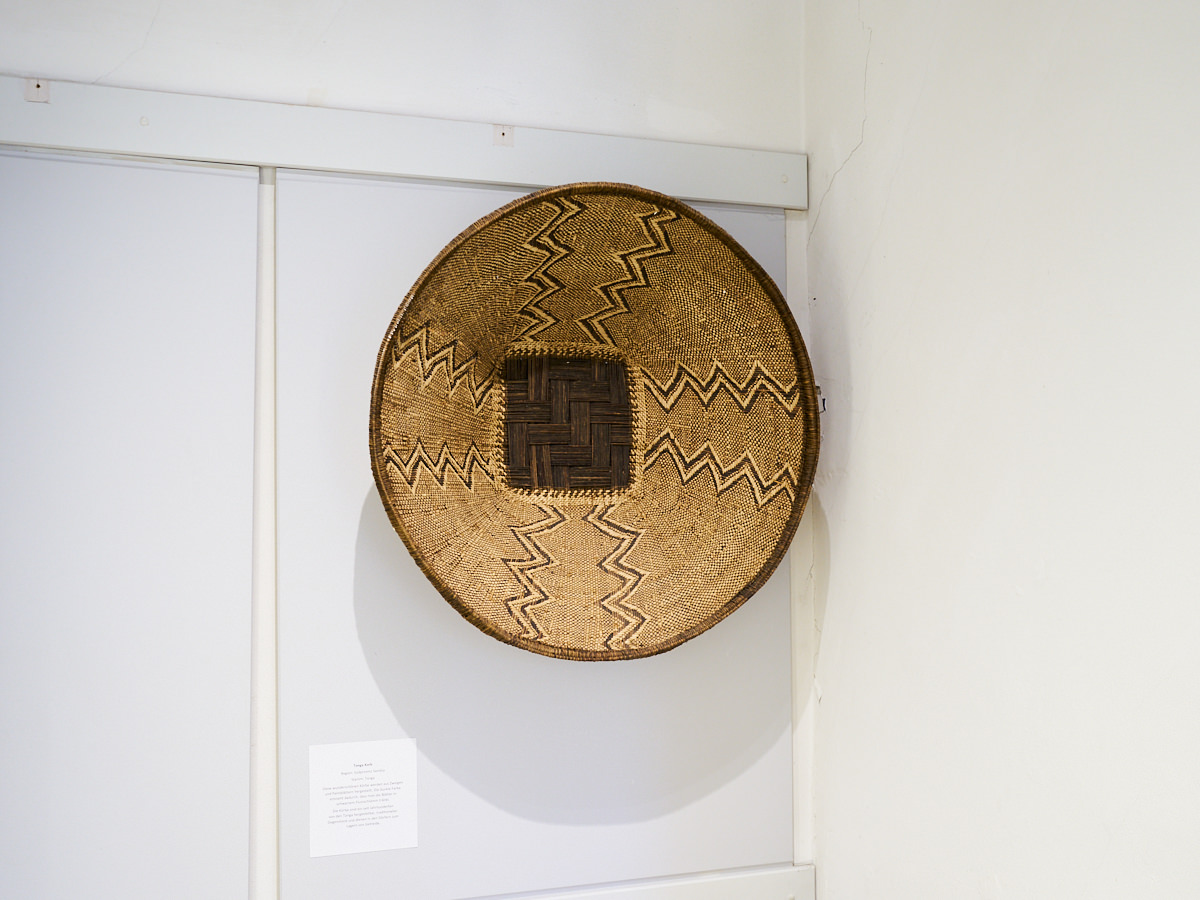
This basket is said to be from Tonga, a country in the South Pacific. 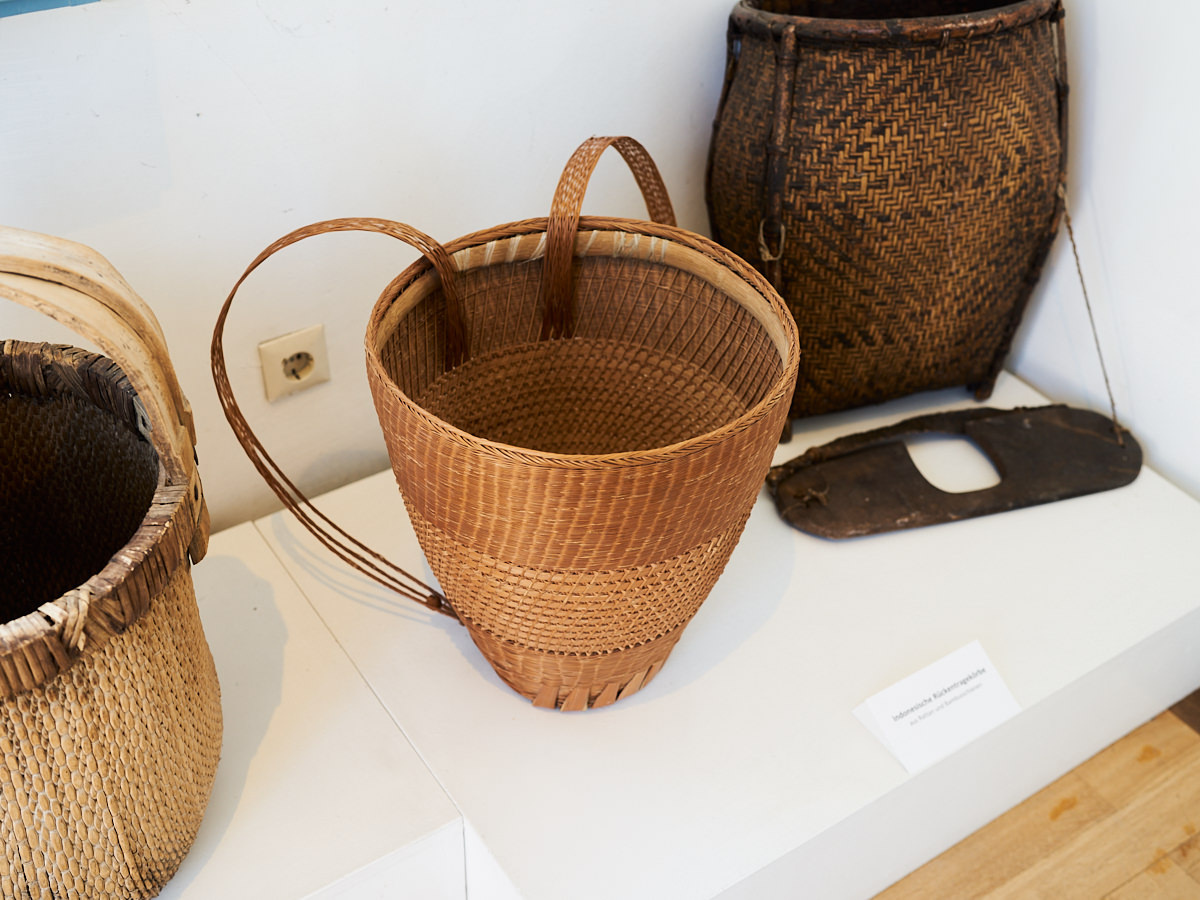
This is a carrying basket from China. 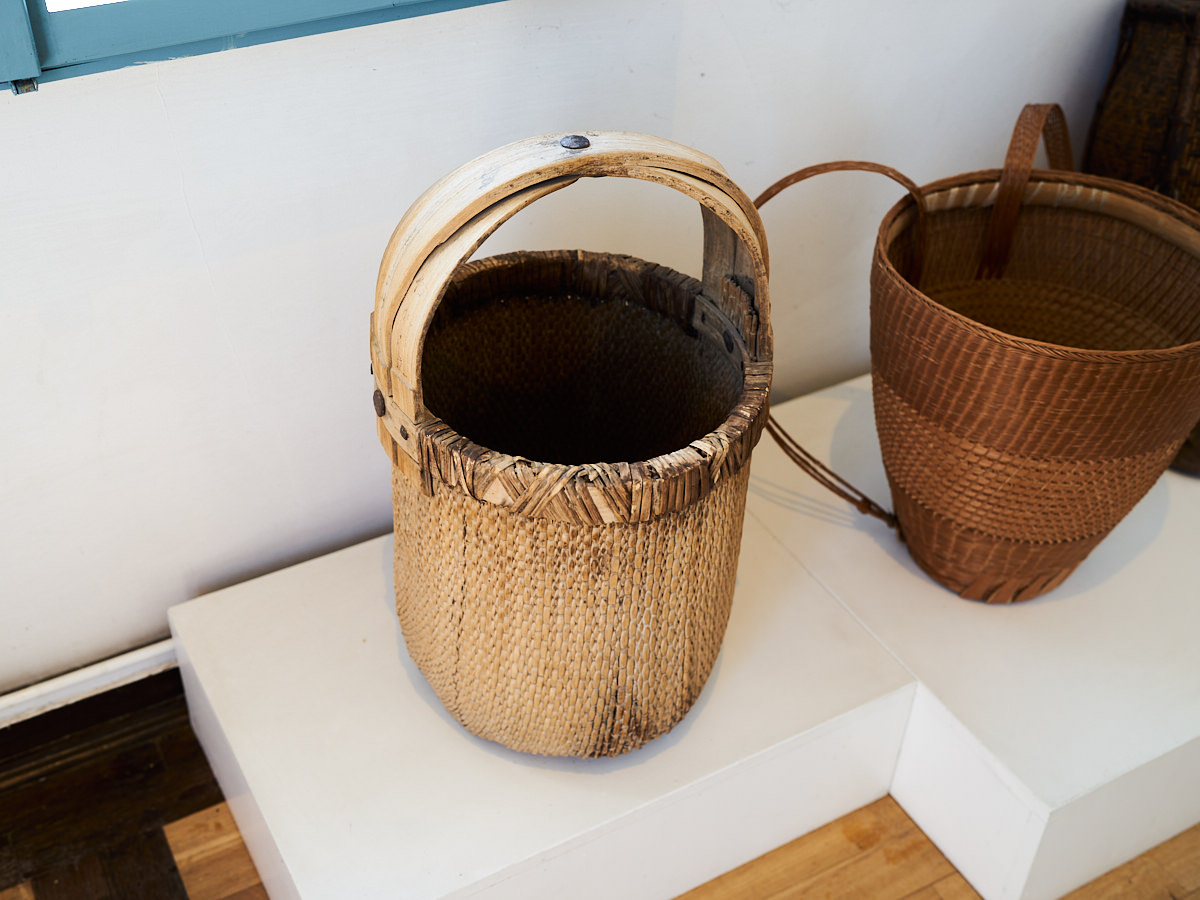
This basket from China is woven from materials such as willow and bamboo. Its form is striking. 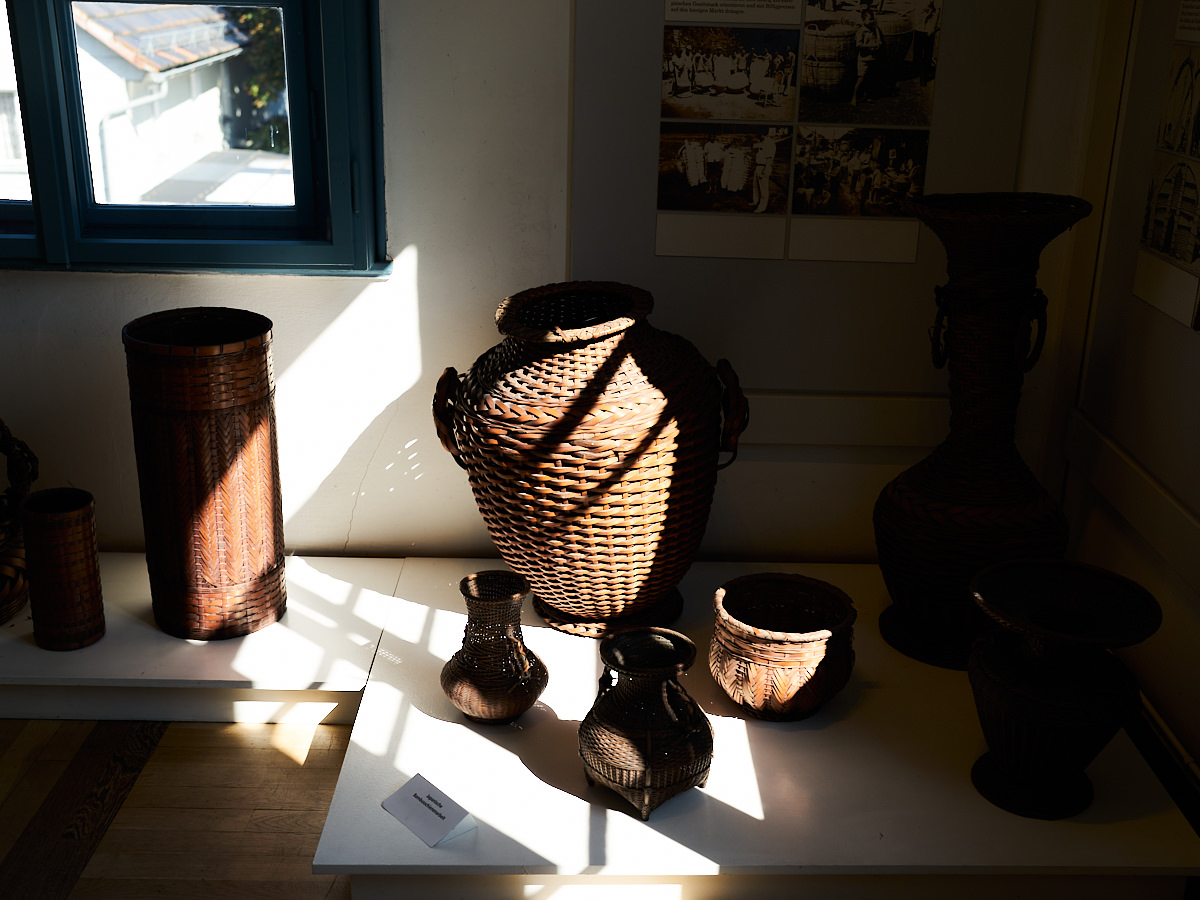
Baskets from Japan were also on display.
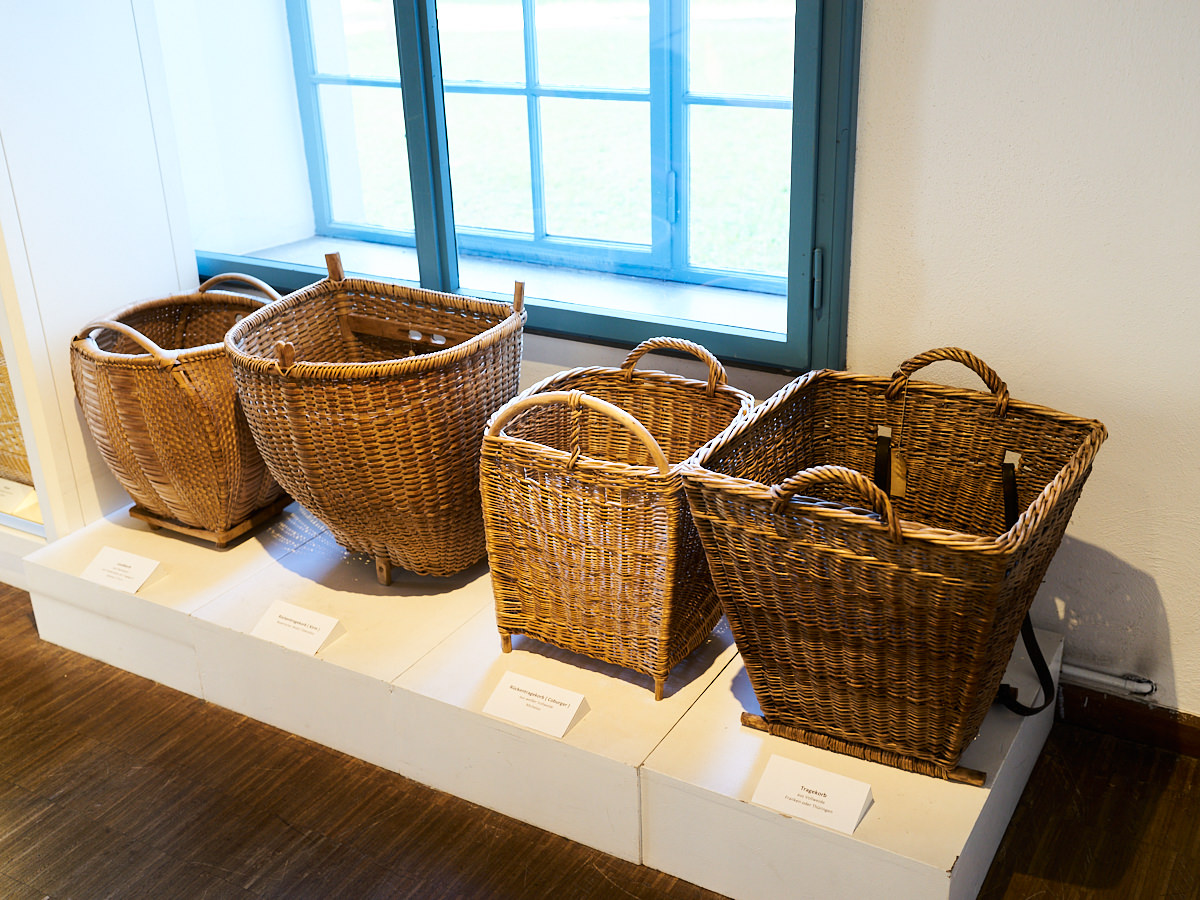
Among the many items in the collection, what especially drew my attention was this wide variety of back baskets. 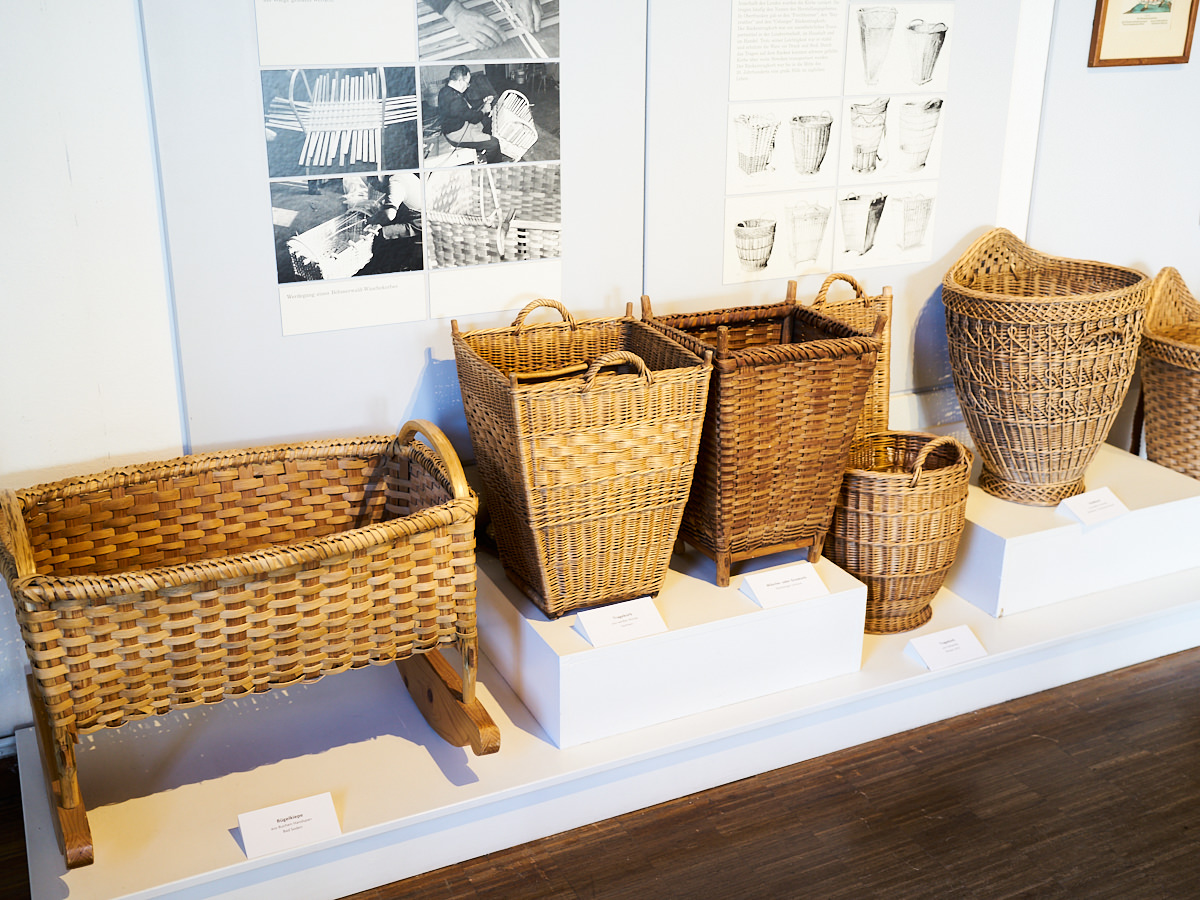
In Japan, winnowing baskets (mi) were once widely used, with forms that varied from region to region. Here, it seems that back baskets also developed in diverse forms, each reflecting its local area. 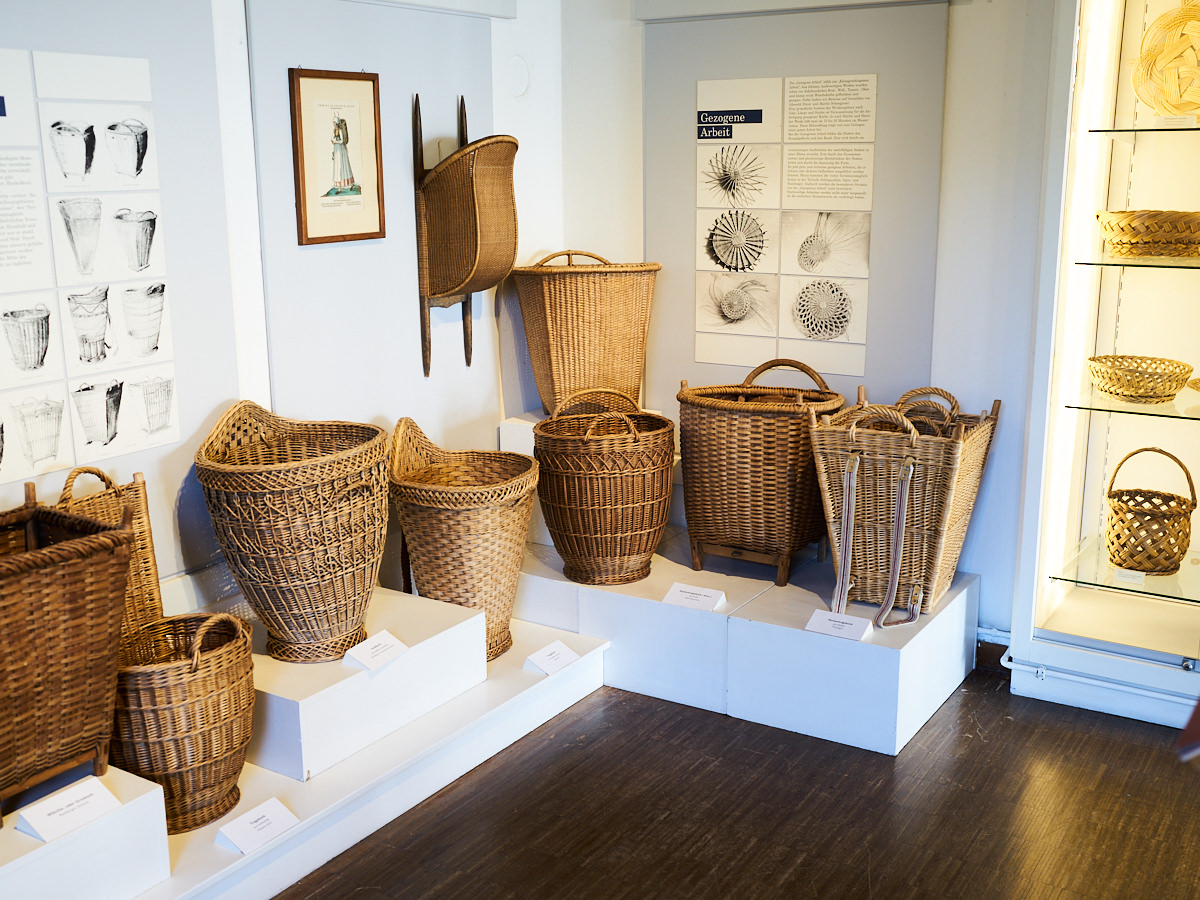
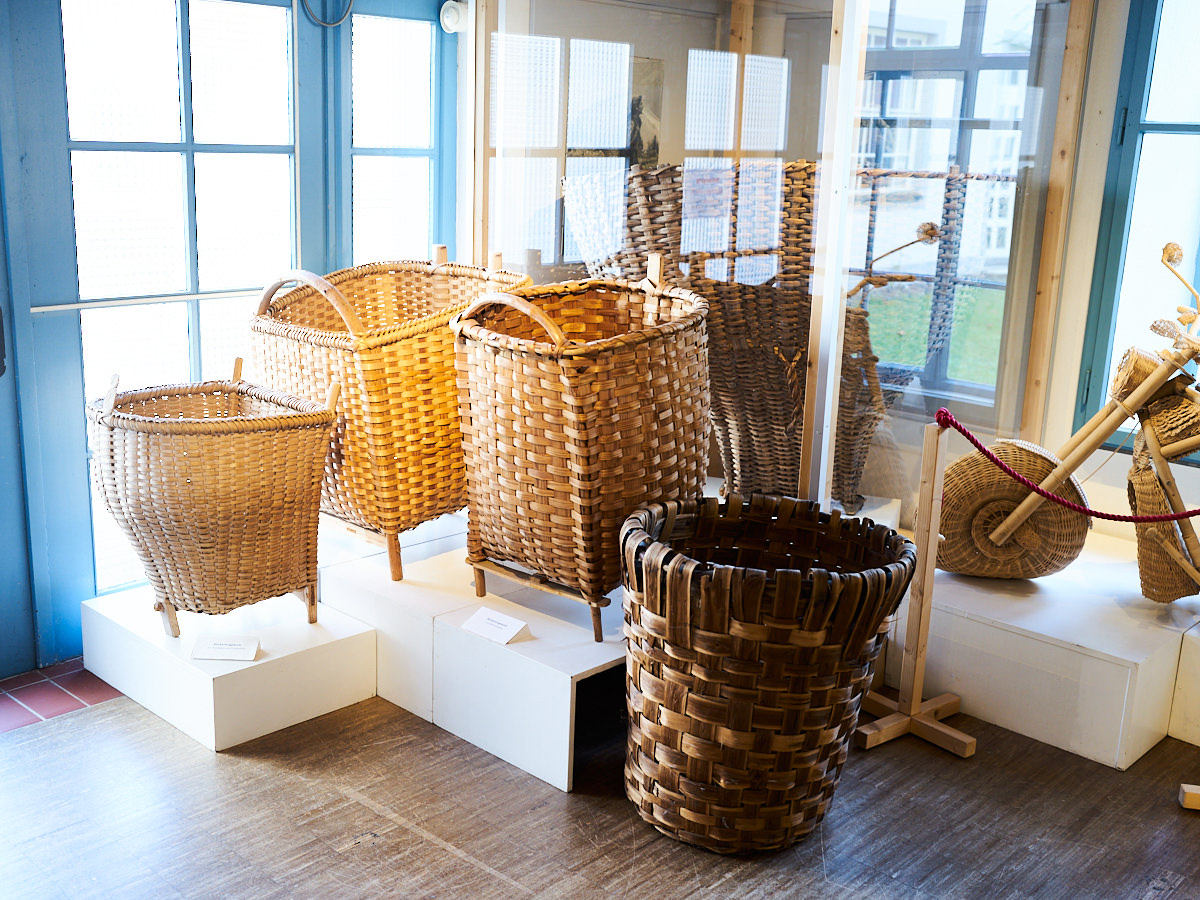
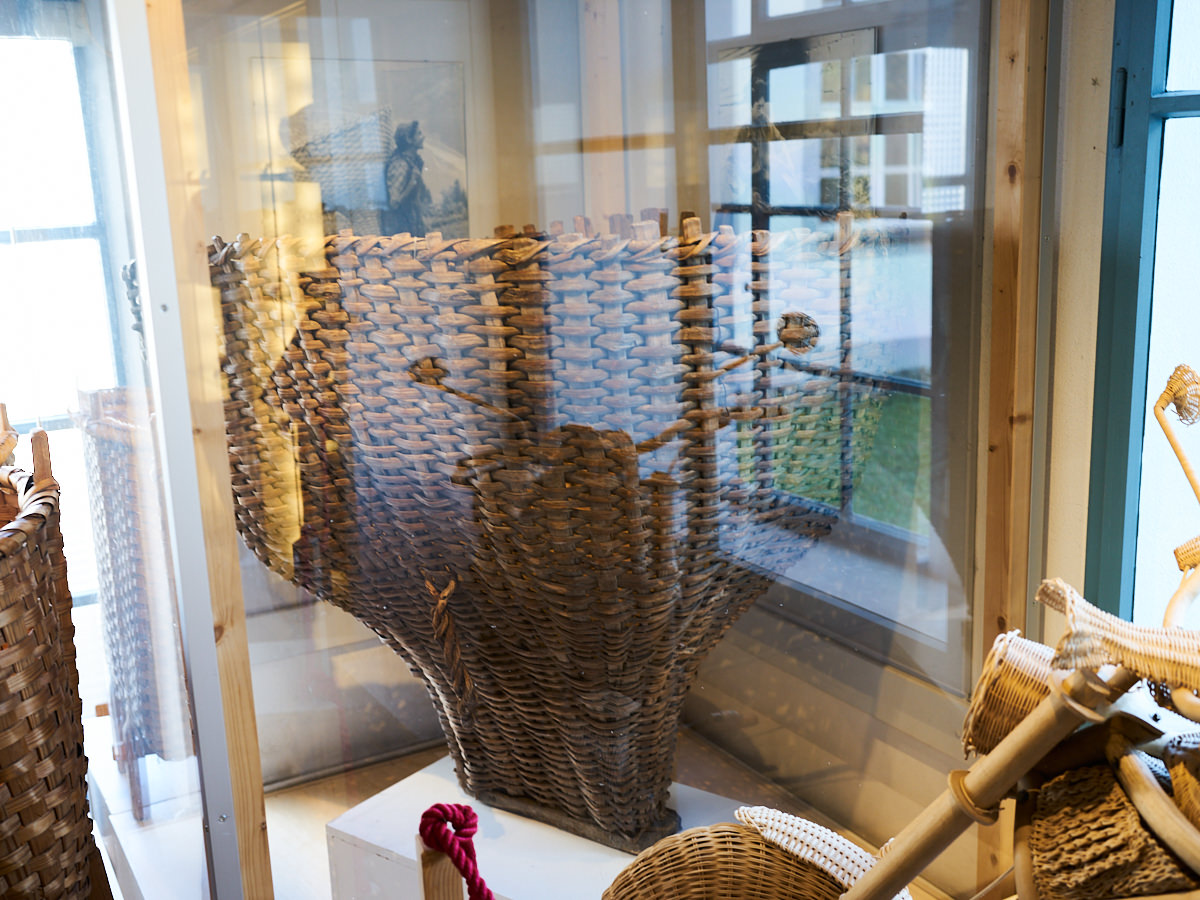
This is a back basket of such size that the word “giant” seems fitting.
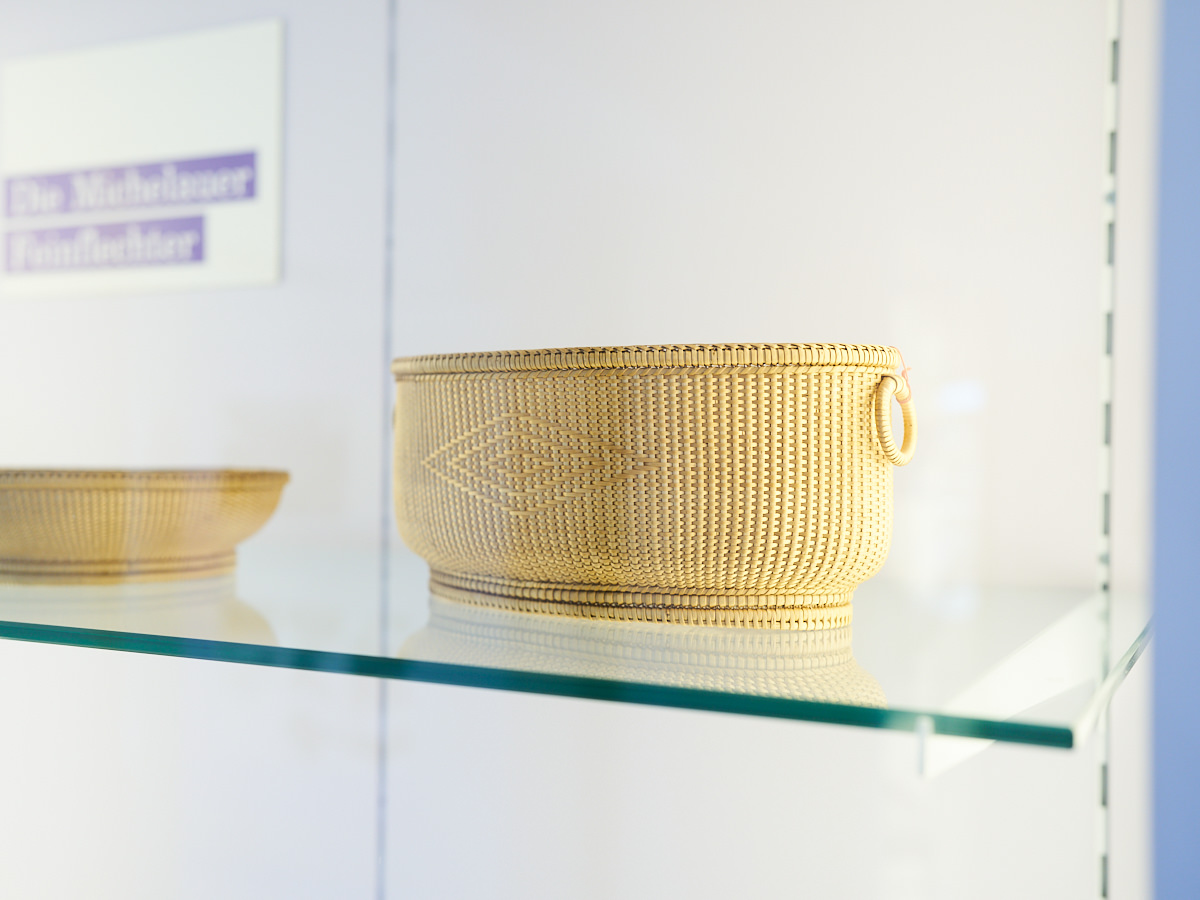
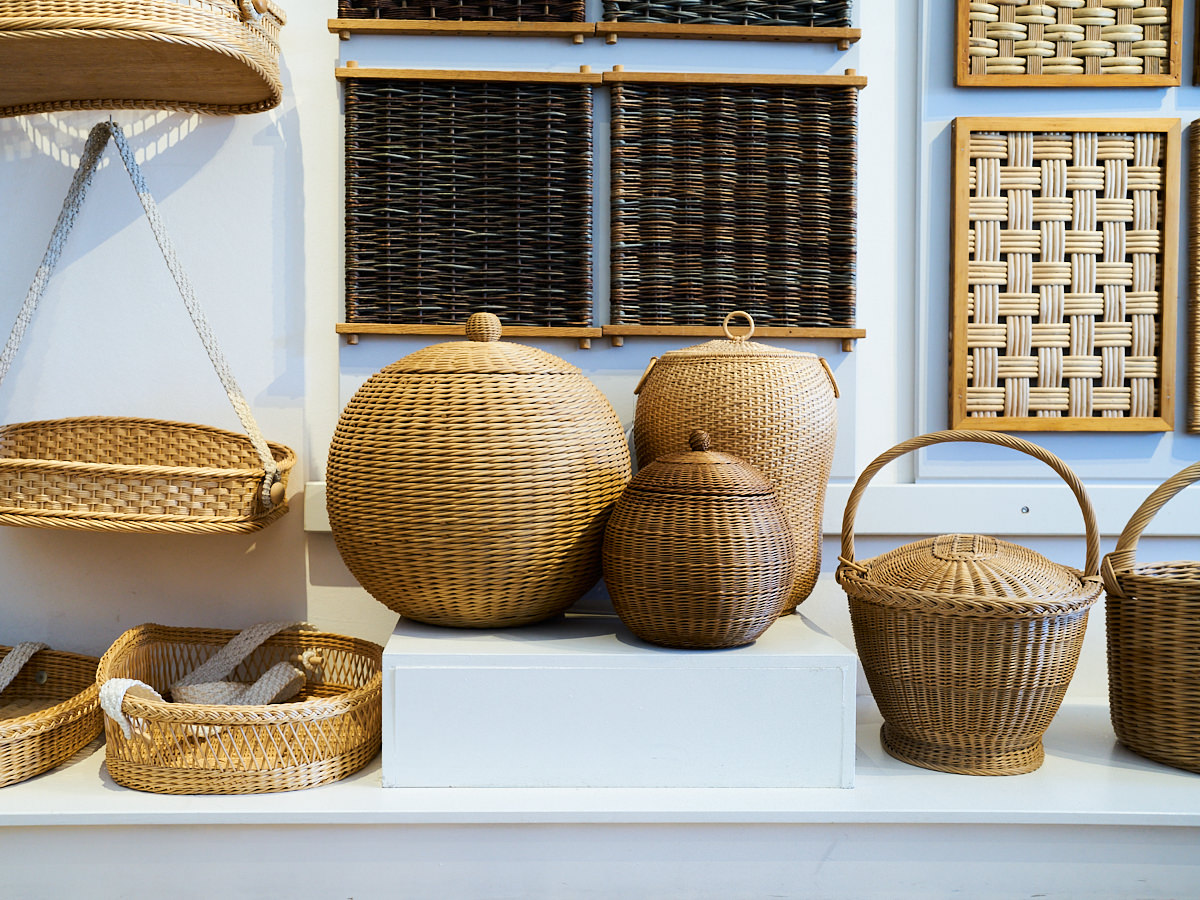
And in speaking of the history of basketry in Lichtenfels, one cannot overlook this tradition of fine basketry. 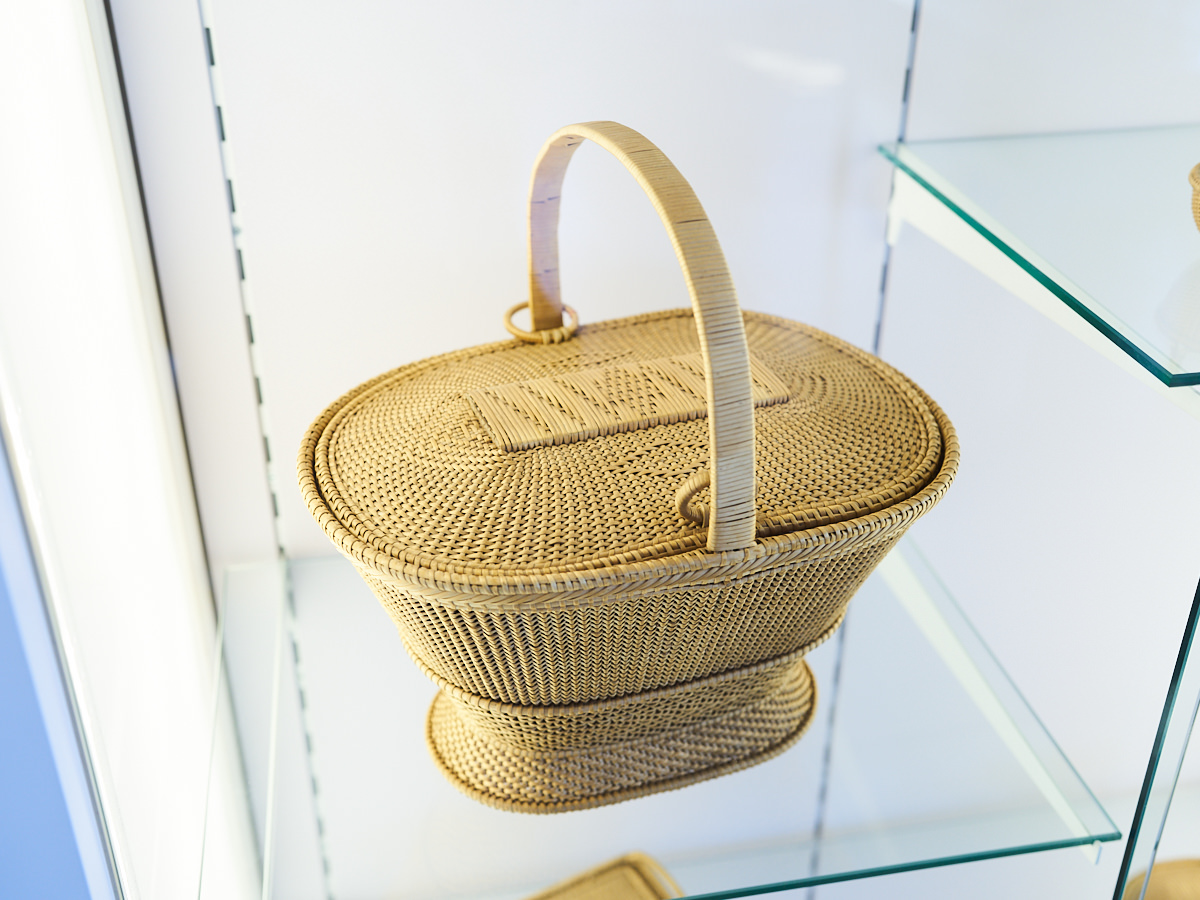
Many baskets were preserved here that could be seen as the roots of Esmé’s work introduced in the previous journal. 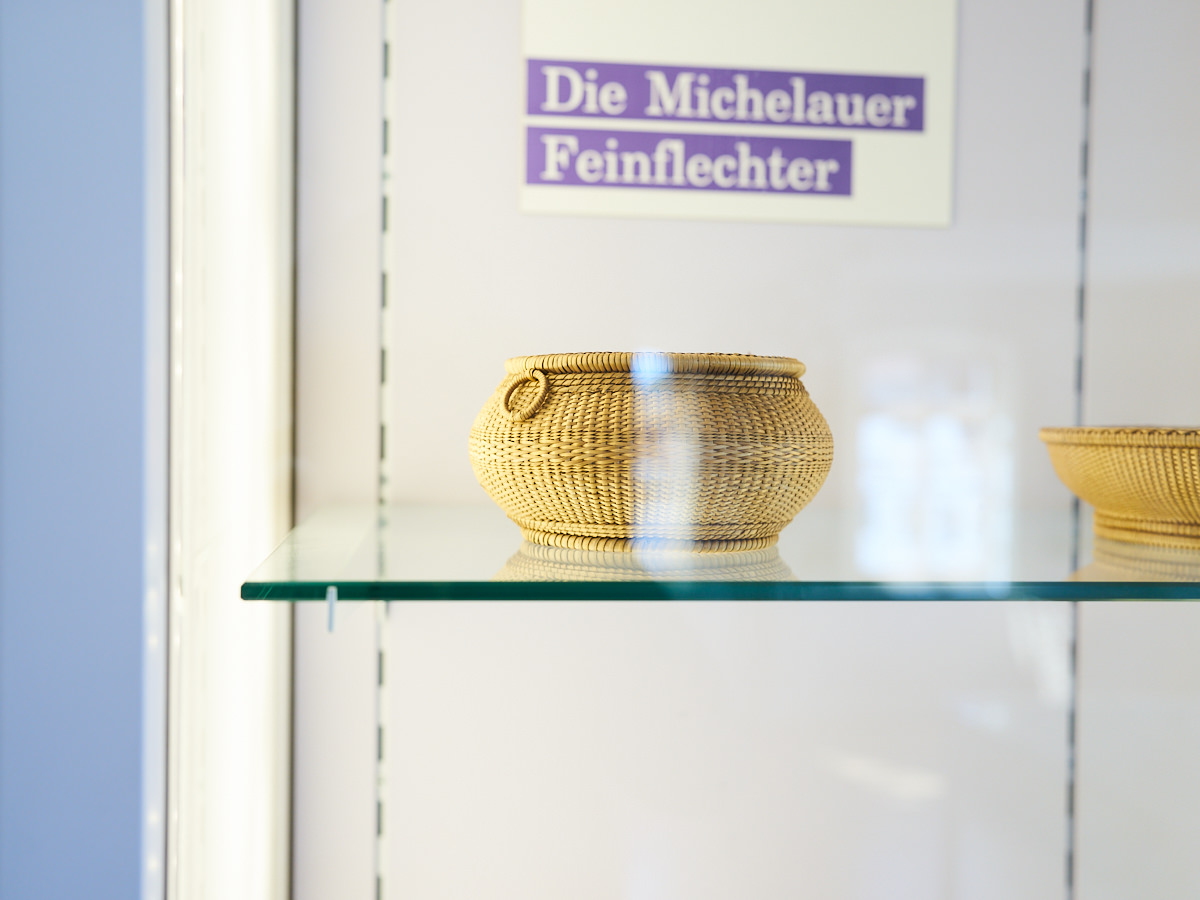
In the Main River region, including Lichtenfels and Michelau, where this museum is located, baskets have long been woven as everyday tools using willow that grows naturally along the riverbanks. 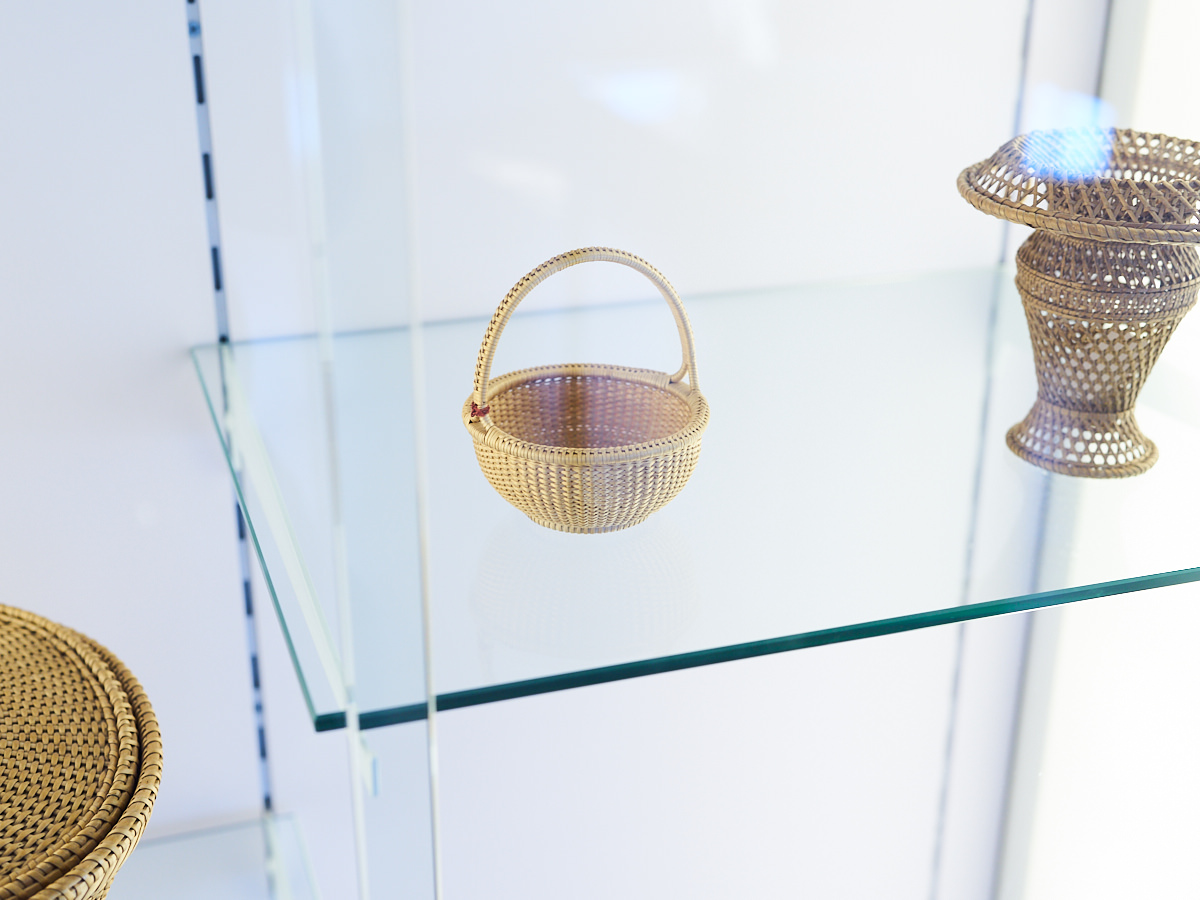
Originally, basketmaking was carried out as a winter side occupation by farmers and fishermen. However, in the late 18th century, techniques such as peeling willow before weaving and the use of finer materials gave rise to fine basketry, and baskets gradually came to be valued as products. 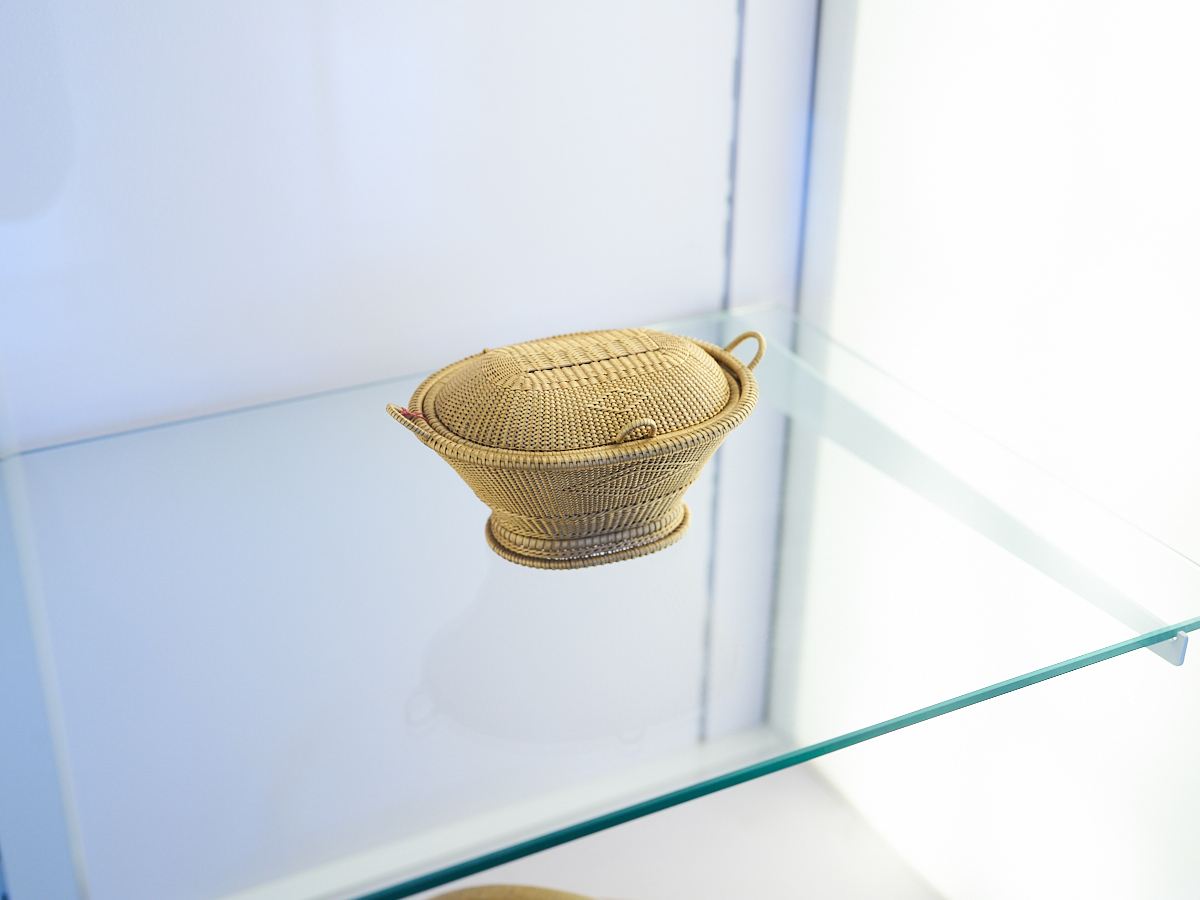
According to the materials, such fine basketry techniques had already developed around 1780. This means that these techniques were established some 240 to 250 years ago, which is remarkable. 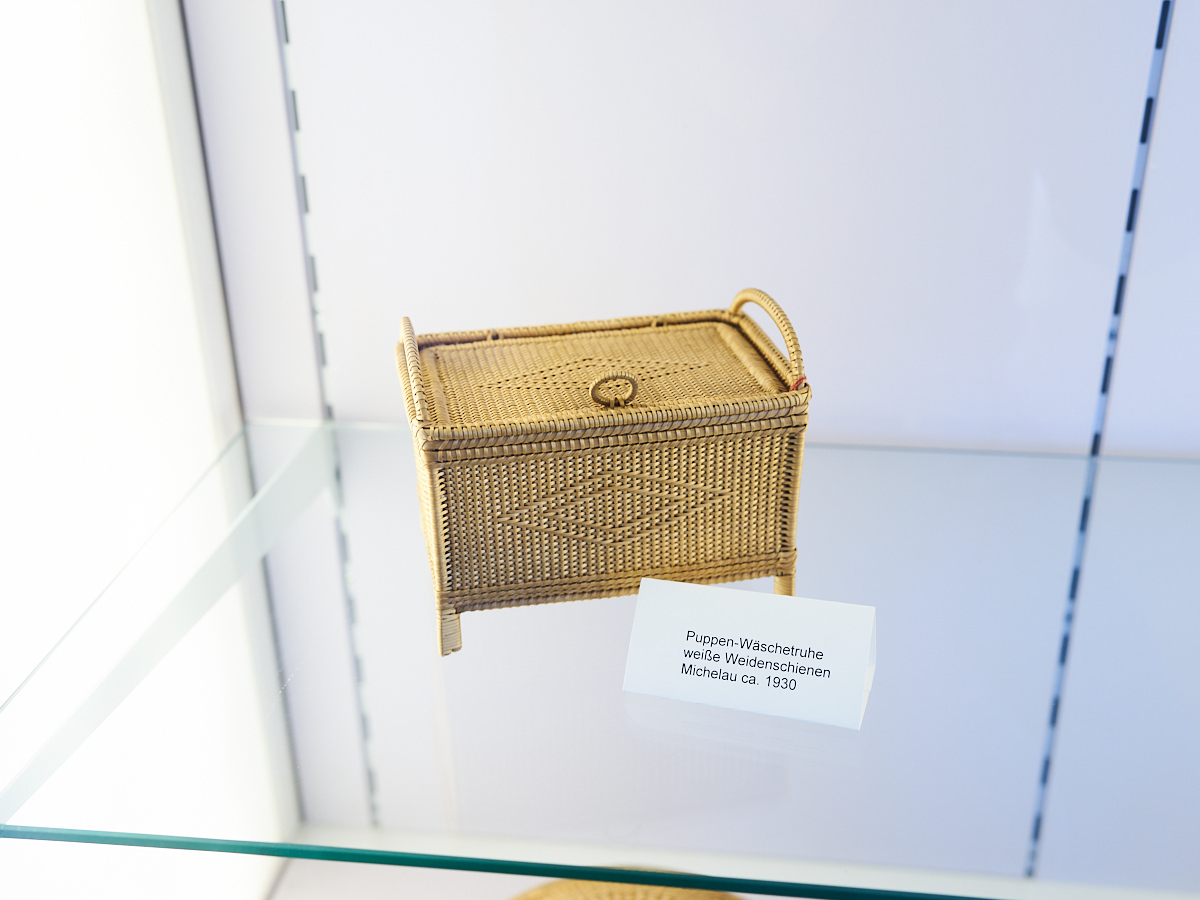
It is said that with the development of these techniques, baskets evolved from everyday tools used in farming and fishing into objects of value. 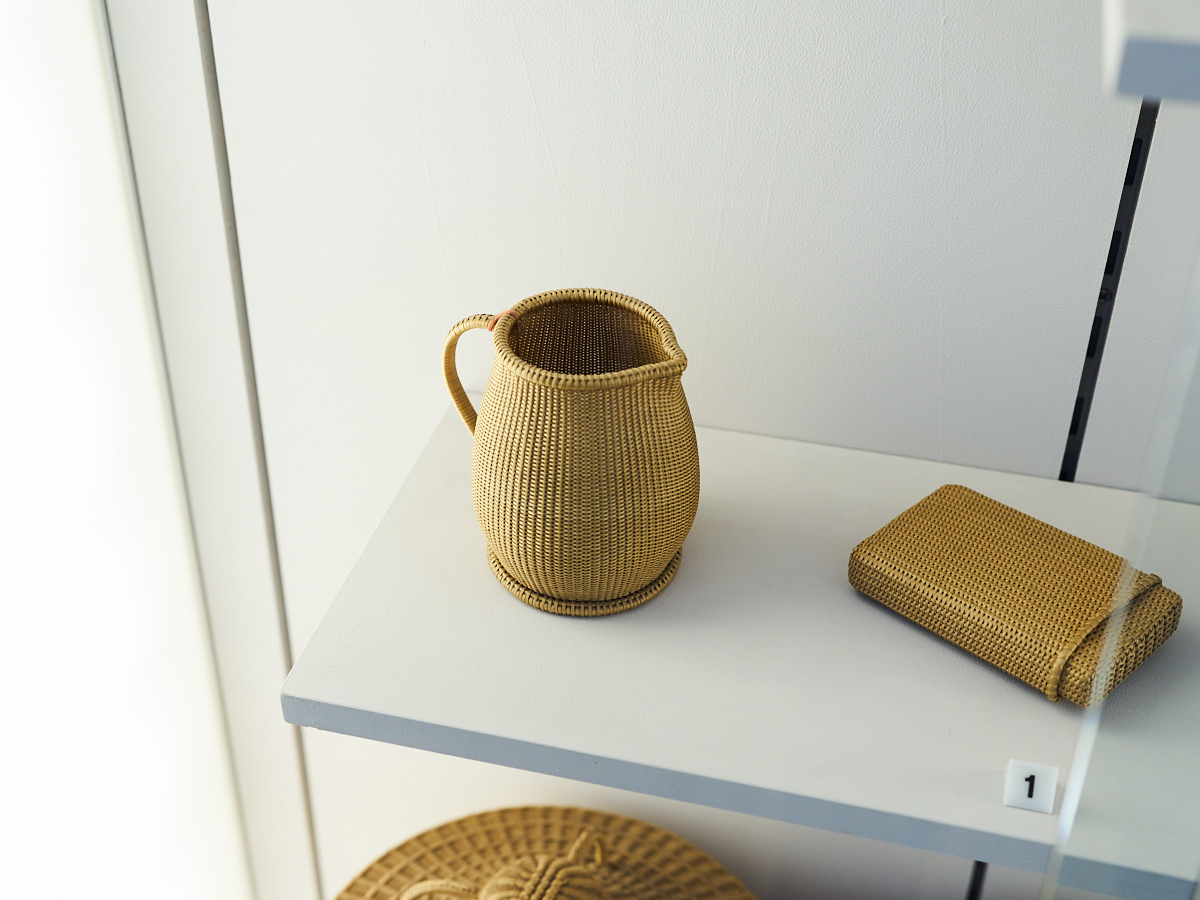
In time, this region became one of Germany’s leading centers of basket production. At the same time, through the activities of basket traders, it also developed into a place where baskets from various regions were gathered. 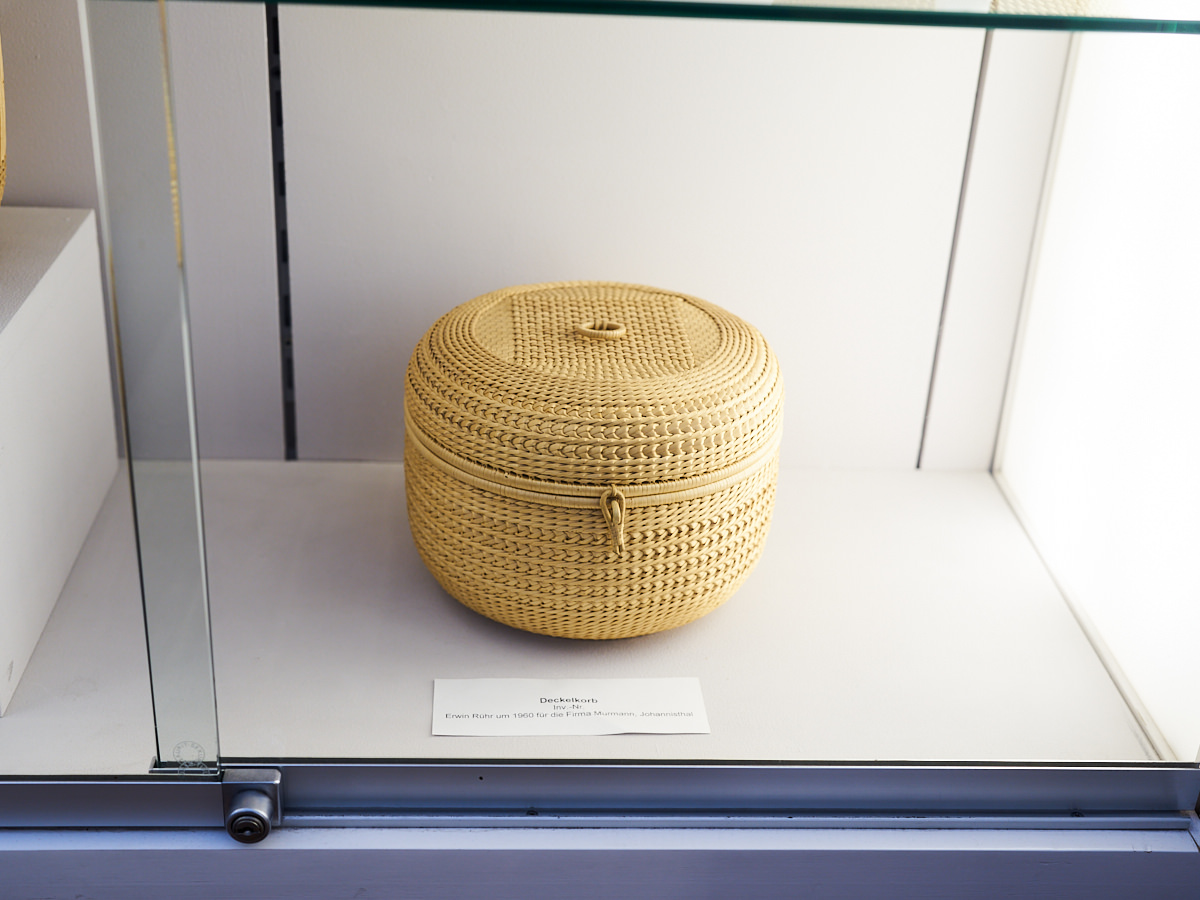
It is also said that the traders who gathered here expanded their markets not only across Europe but even as far as South America.
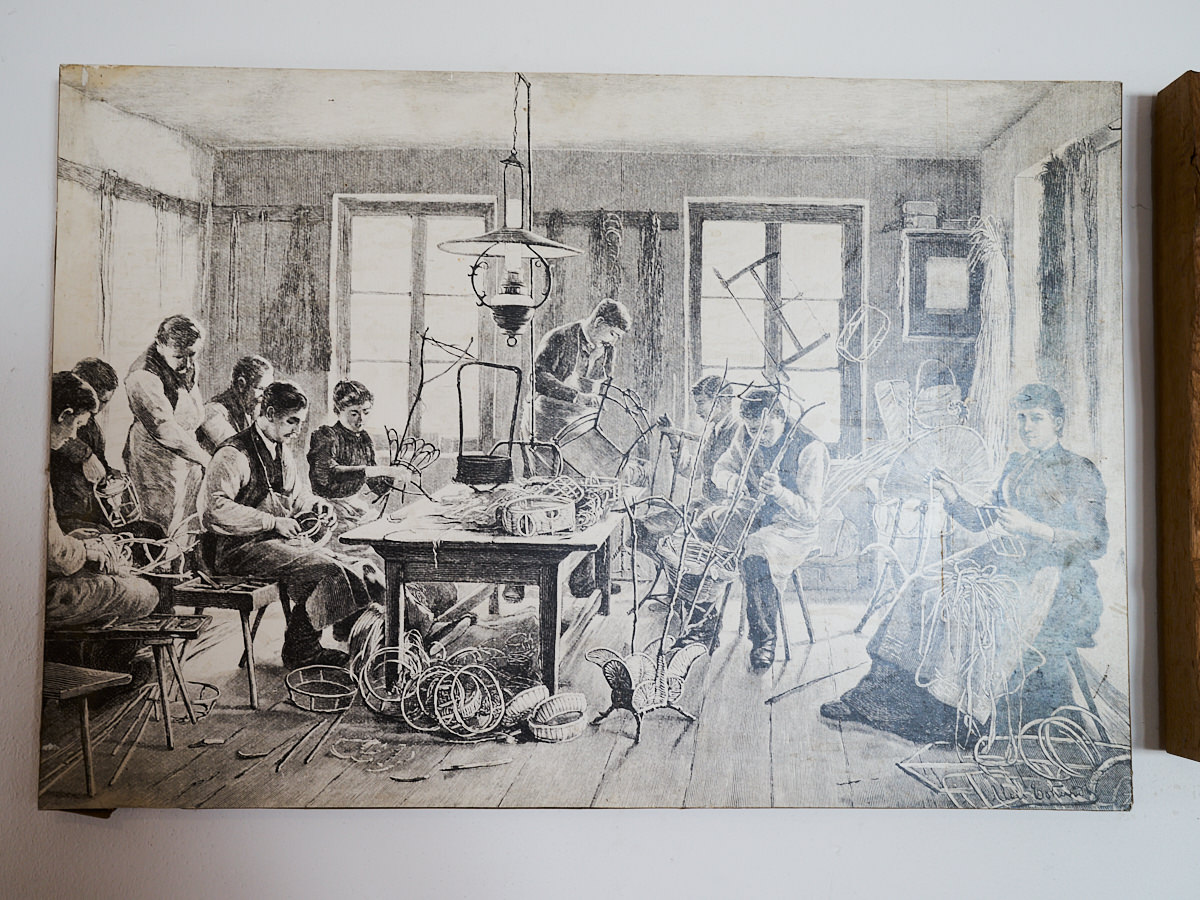
The peak period was from the late 19th century to the early 20th century,
when German baskets were distributed to many parts of the world.
Lichtenfels was equipped with a railway network,
and is said to have been the largest center for basket collection in Germany.
At its peak, around 900 people are said to have been engaged in basketmaking
in the Lichtenfels and Michelau area.
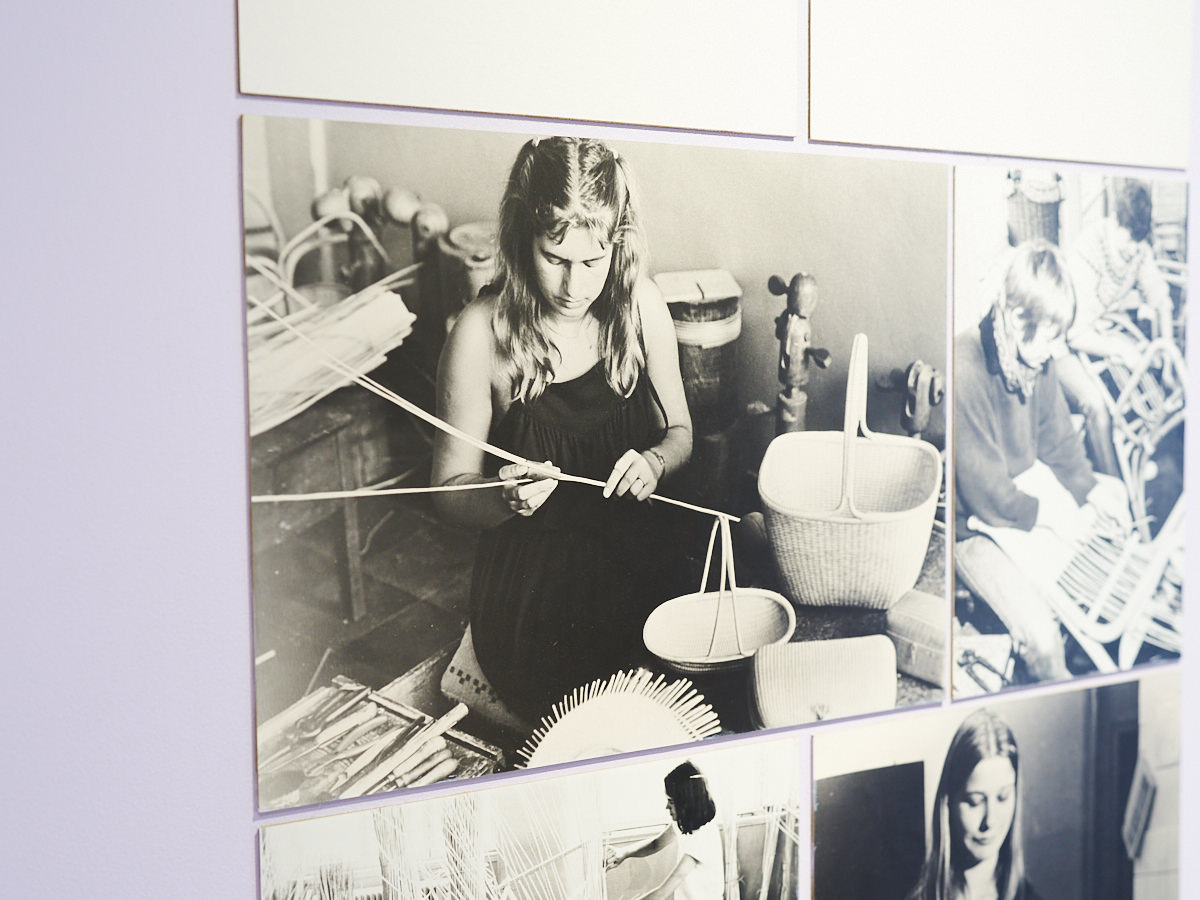
Another defining feature of Lichtenfels is that, in the early 20th century, a basketry school was established as a state-run vocational institution. 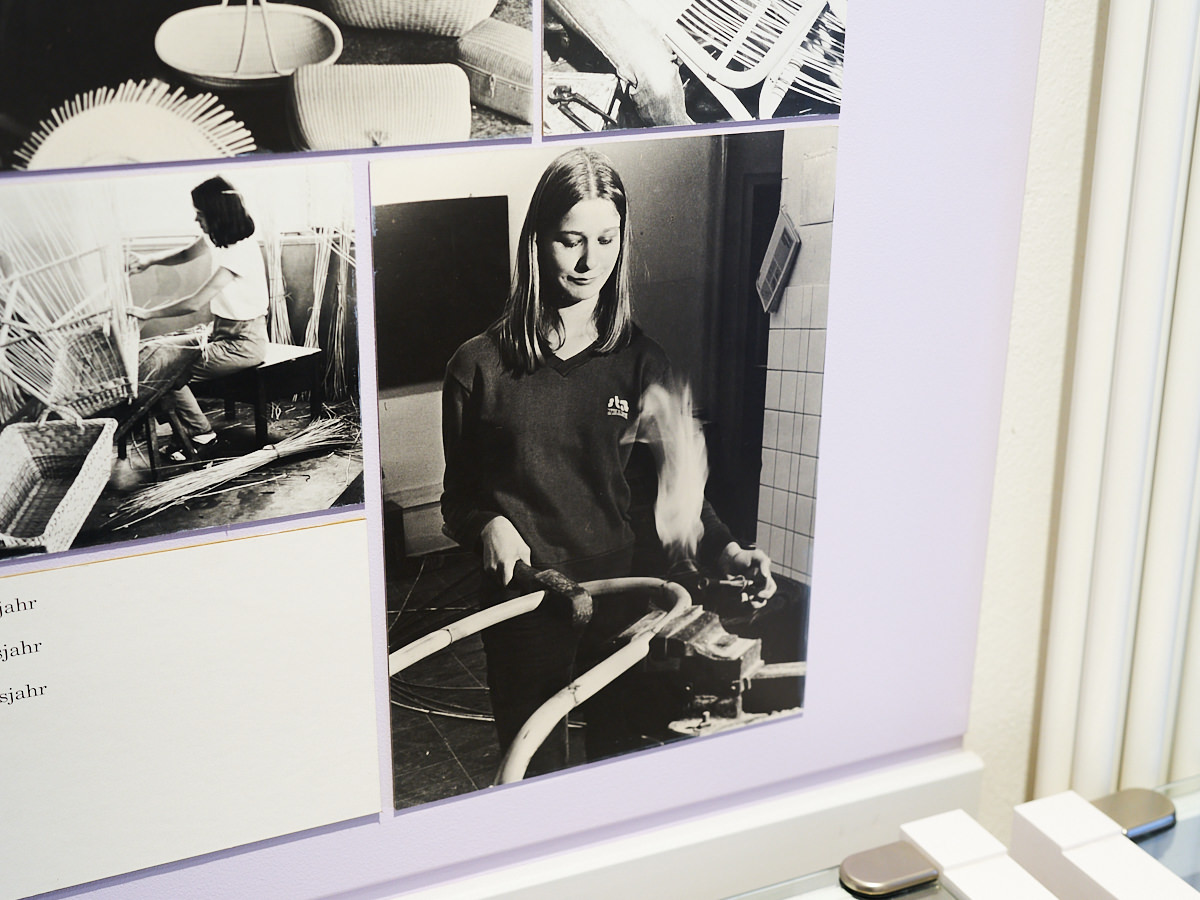
The program was structured over three years, and it is said that completing it corresponded to a level that enabled one to work independently as a professional. 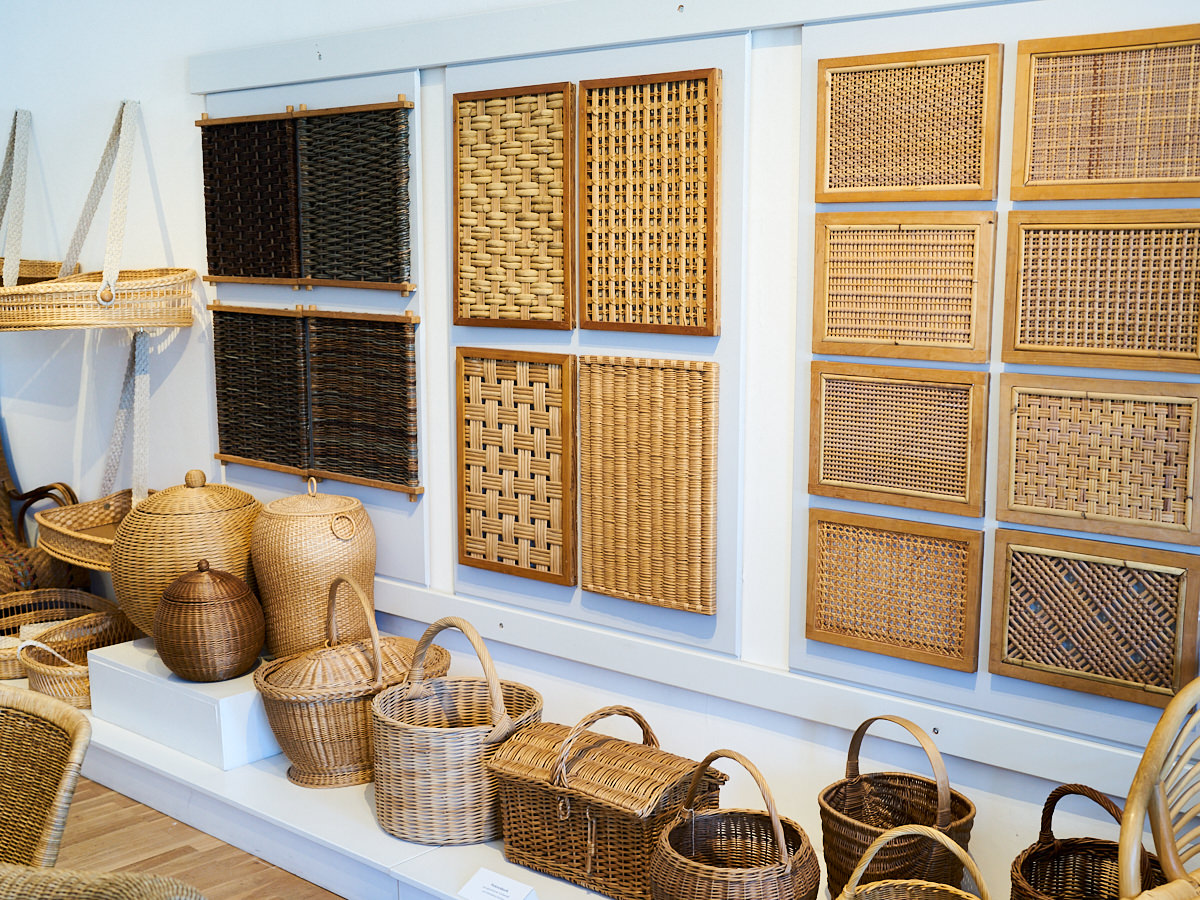
A structured environment for learning basketry was established,
and techniques that had previously been passed down within individual craftsmen and households began to be organized and shared through the framework of a school.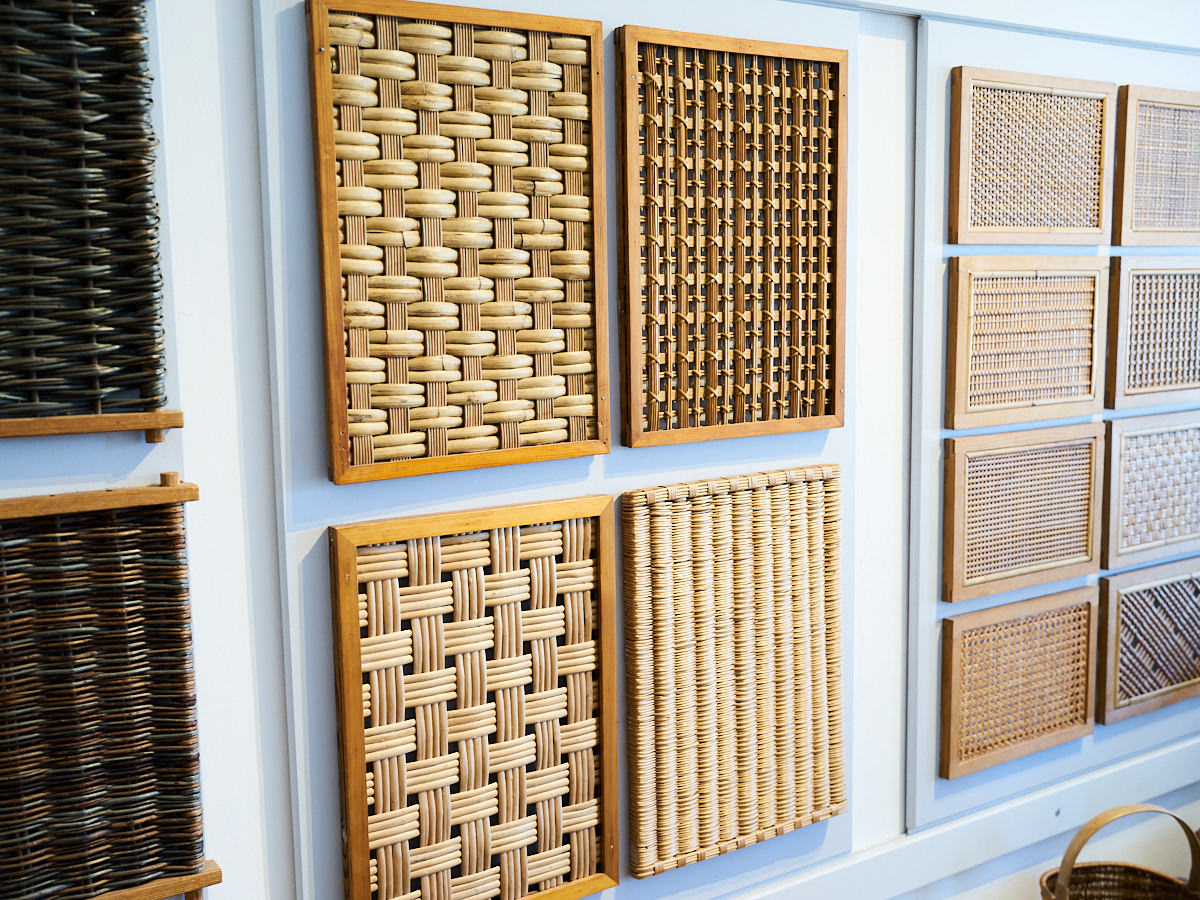
Through these efforts, basketmaking in the region came to be sustained on a more stable foundation.
As I traced this history and lineage,
the city of Beppu in Oita Prefecture naturally came to mind.
Beppu is still known today as one of Japan’s leading centers of bamboo craftsmanship,
and is also widely recognized as a hot spring destination.
In contrast, Lichtenfels has a neighboring town on the opposite side of Michelau,
Bad Staffelstein, which is also known for its hot springs.
Both Beppu and Lichtenfels share the advantage of abundant high-quality materials,
and have drawn together many makers and traders.
Another similarity is that both places have schools where these crafts are taught—
bamboo basketry in Beppu and willow basketry in Lichtenfels.
Within me, it felt as though two distant points were quietly becoming connected.
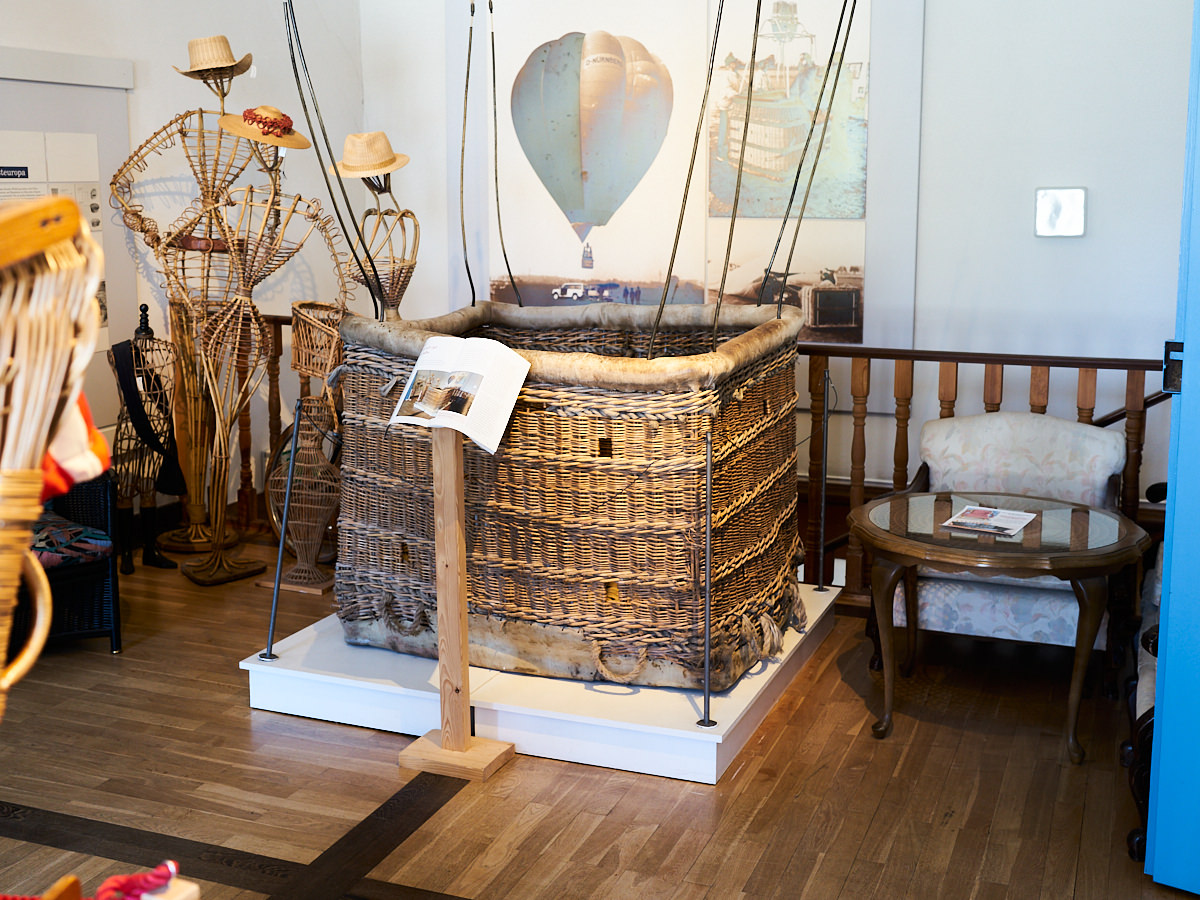
This is the same type of basket used for hot air balloons,
like the one used by a performer at the basketry festival in Lichtenfels.
It appeared to be an actual piece that had been used.
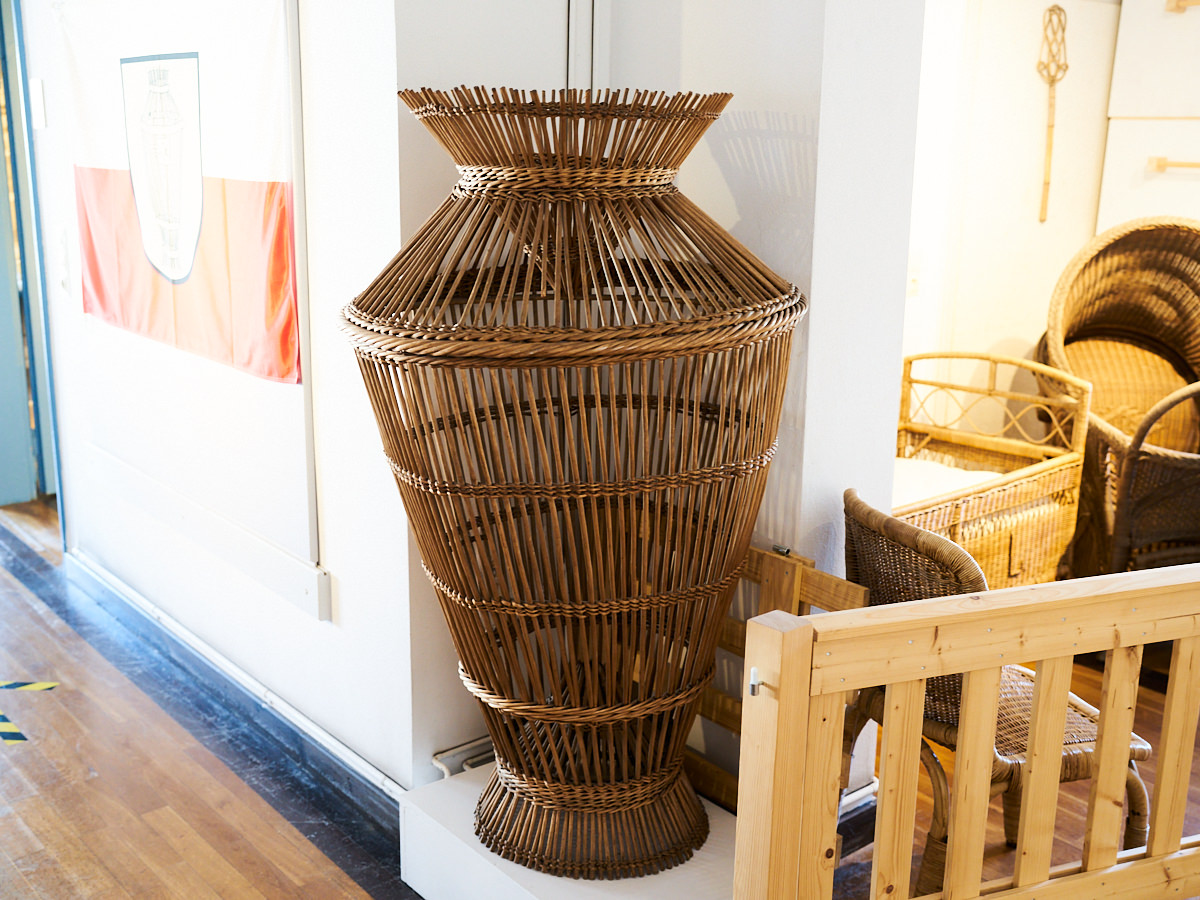
And in the final exhibition room, this large basket was on display.
Looking at its structure, it is designed so that once something enters, it cannot easily get out.
In Japan as well, there are bamboo baskets used as fishing traps for eel and other fish.
This structure is similar in that once a fish enters, it cannot easily escape.
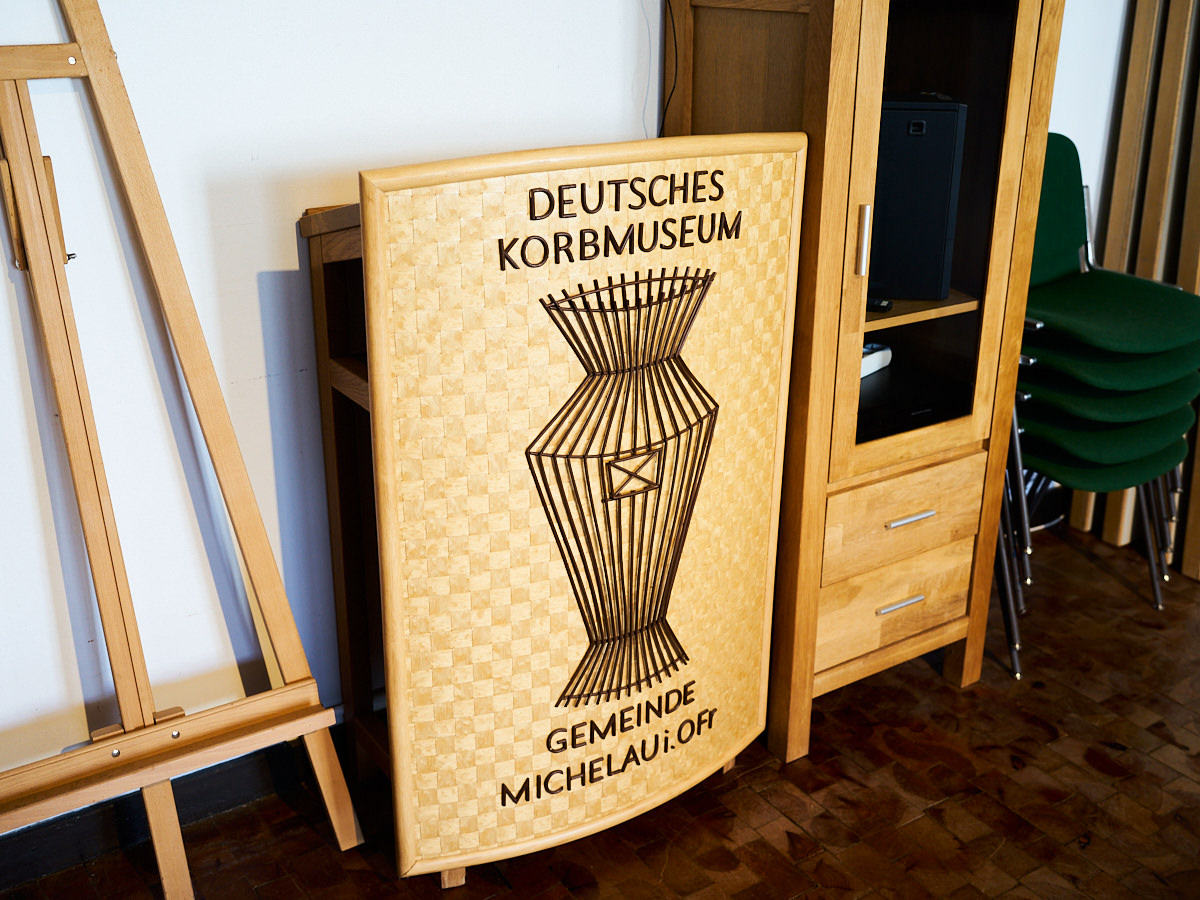
As shown earlier, the sign bearing the name of the museum also features an illustration of the same type of fishing trap.
It may have been a kind of basket used in everyday life alongside the river in this region.
*
The number of exhibits was far more than could be taken in over the course of a single day.
What I have introduced in this journal is only a small part of it.
I hope you will have the chance to visit and experience it for yourself.
As this is a museum open to the public,
I encourage you to visit if the opportunity arises.
Please enjoy a short video of the German Basket Museum in Michelau.
[Music plays]
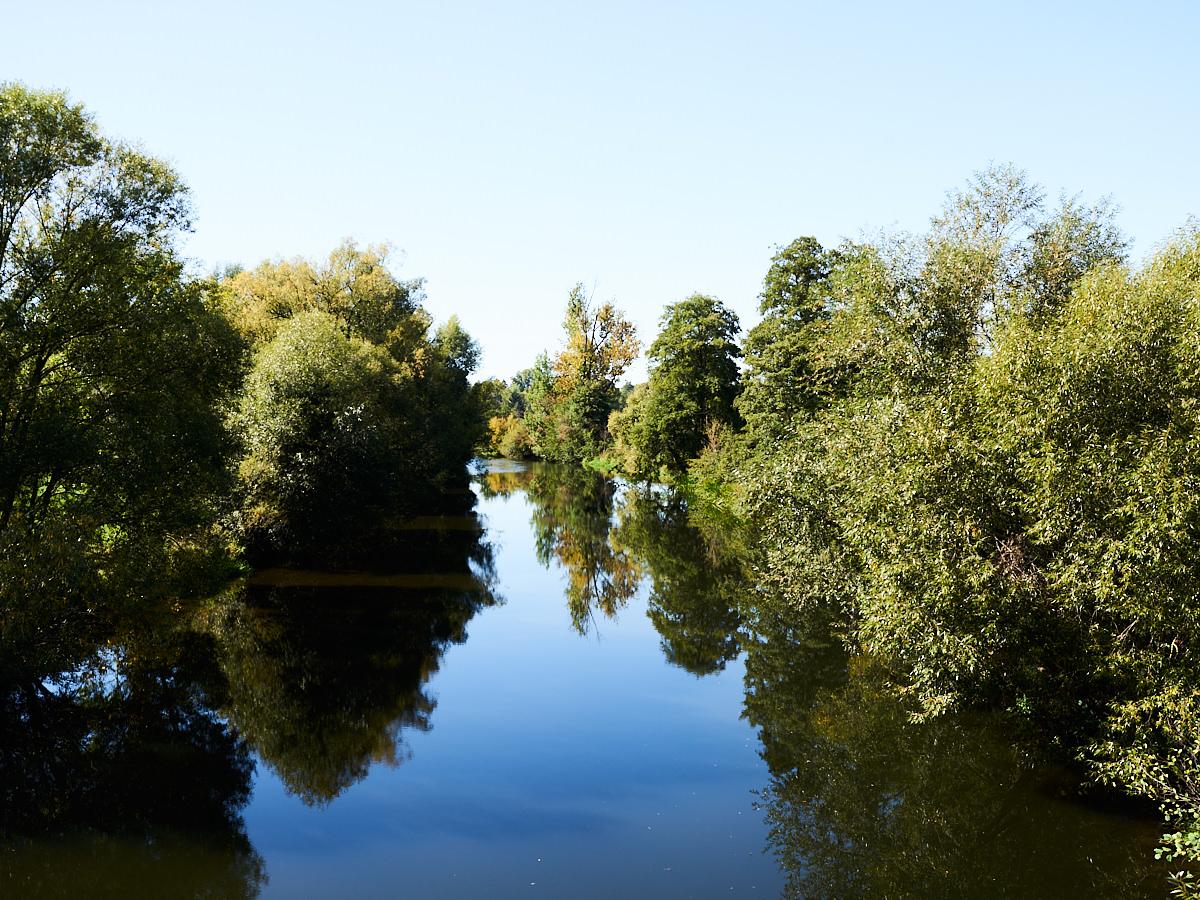
This is the Main River flowing between Michelau station and the German Basket Museum.
Looking back, this Germany Business Trip Journal began along the Main River in Frankfurt.
During my short stay, I traveled north and east from Frankfurt,
and, with the support of many people, was able to spend a truly meaningful time.
Once again, I would like to express my heartfelt gratitude to everyone who supported me during this trip.
*
Ich möchte mich bei allen, die uns dieses Mal so freundlich unterstützt haben,
von Herzen bedanken.
Auf ein Wiedersehen!
*
Je tiens à exprimer ma profonde gratitude
à toutes les personnes qui nous ont si chaleureusement soutenus cette fois-ci.
Au plaisir de vous revoir.
*
This concludes the long-running journal series, “Germany Business Trip Journal.”
Thank you very much for reading.
End