First Visit to Lichtenfels — Germany Business Trip Journal 7 はじめてのリヒテンフェルス ―ドイツ出張記 7
Hello.
This is Tomotake Ichikawa.
Well then,
after saying goodbye to the town of Dalhausen in Germany—promising to meet basket maker Hansgert again someday—
I finally arrived here at last, changing local trains several times while carrying my heavy luggage all by myself!
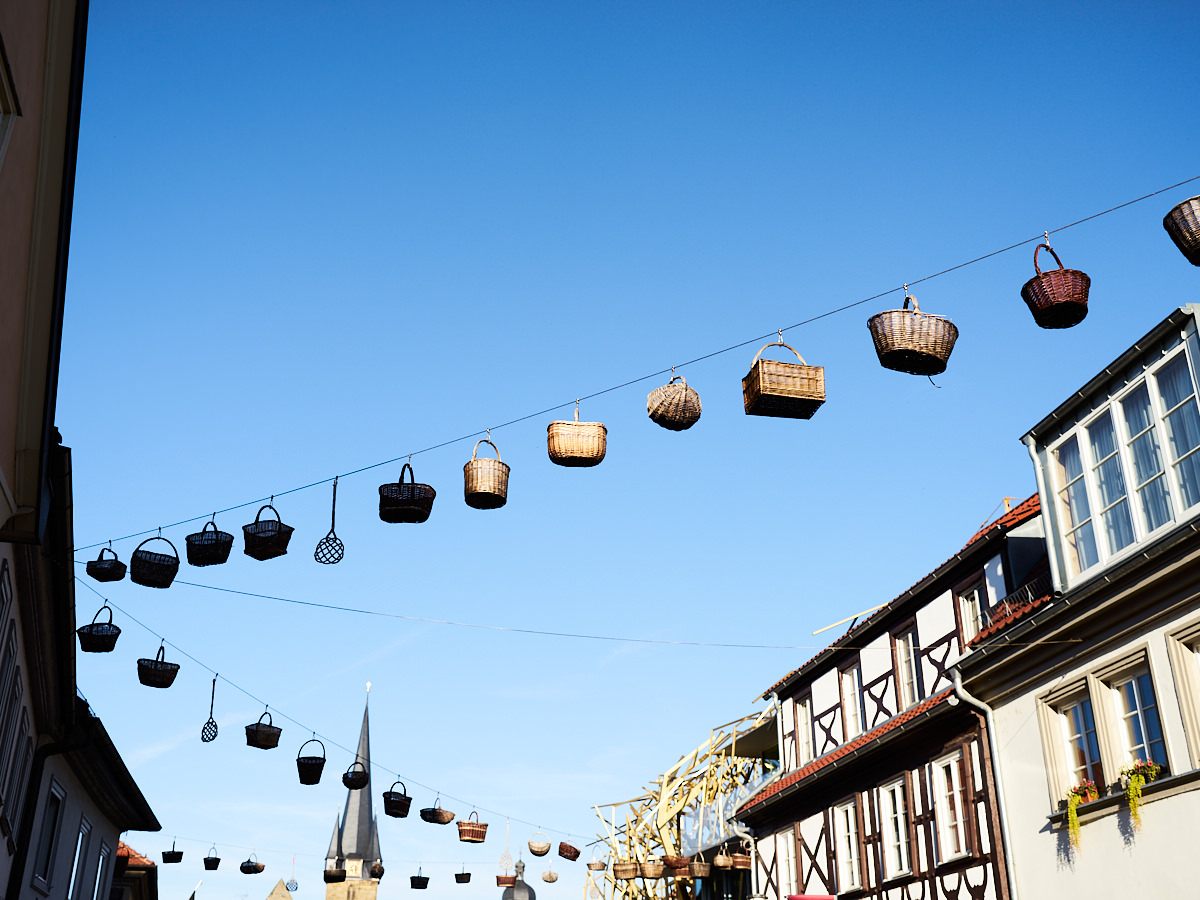
The basket town of Lichtenfels!
This small town lies in the Upper Franconia region of Bavaria in southern Germany,
with a population of around twenty thousand.
In this region, where willow-growing areas spread across the surrounding countryside,
a traditional event known as the “basket festival” is held every September.
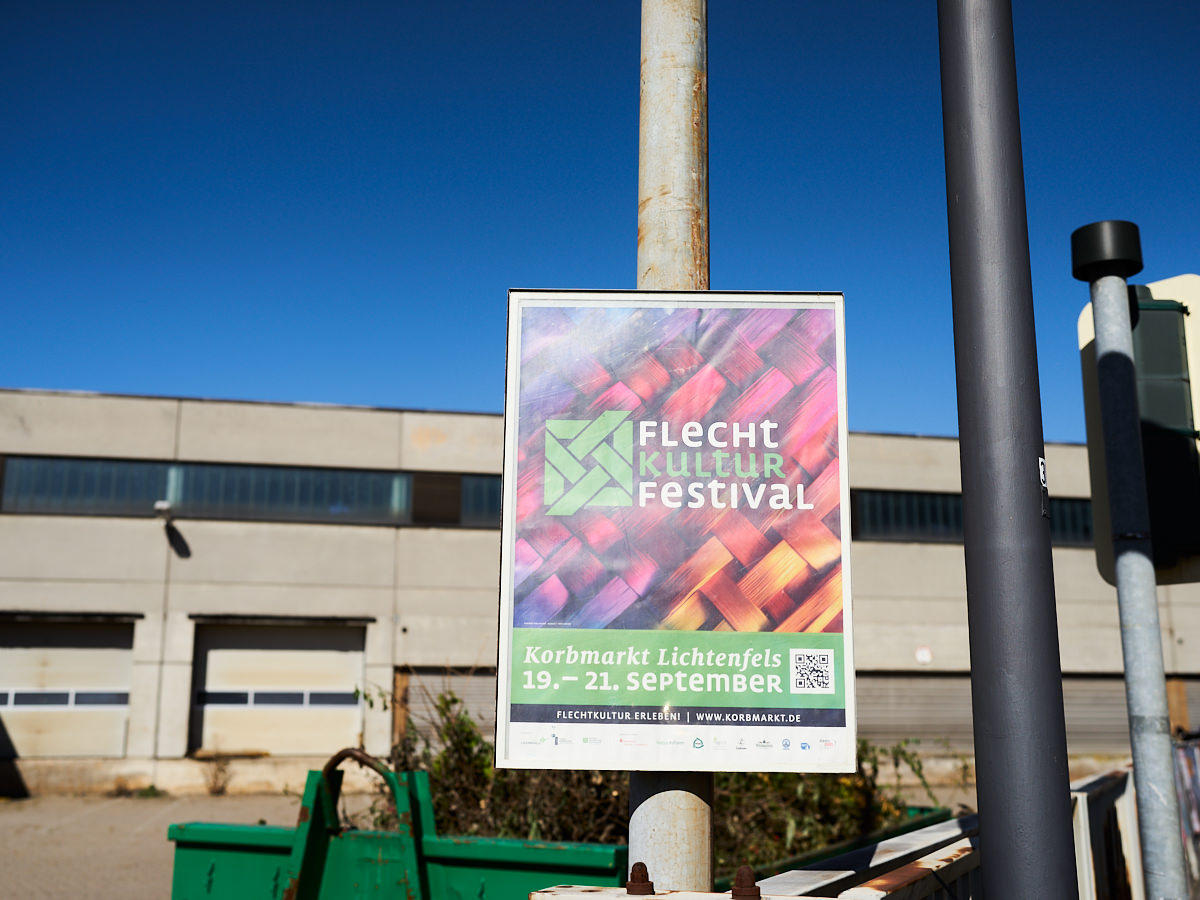
Even on the utility poles along the road from the nearest station to my hotel,
large signs announcing the festival were already hanging.
As I stepped into the town of Lichtenfels and began walking through its streets,
a quiet realization slowly began to sink in:
I had finally made it here.
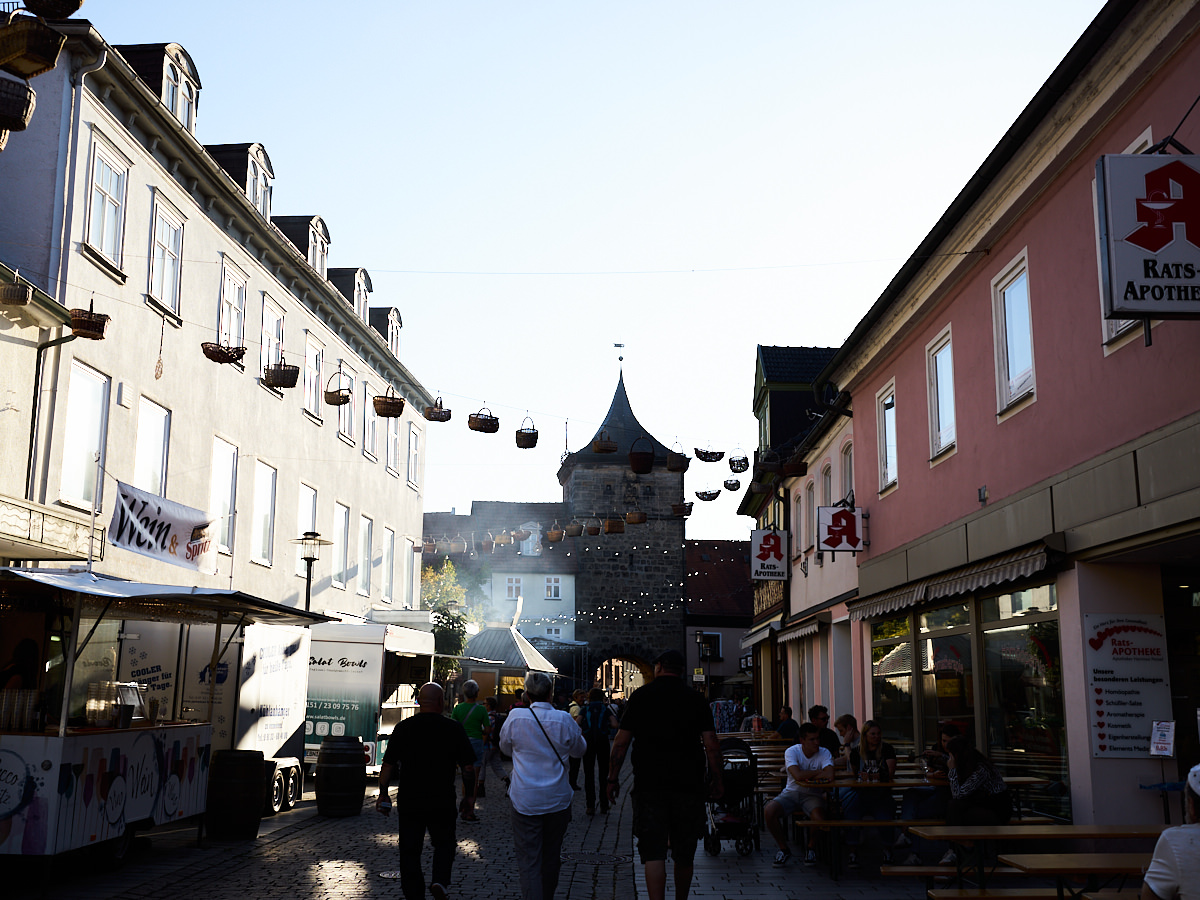
During this festival, a basket market is held over two days,
on Saturday and Sunday.
And today—Friday, the day before—the town center of Lichtenfels hosts a parade and a pre-festival celebration.
In the early evening, before the pre-festival festivities began,
I headed toward the town center a little early to see what the venue looked like.
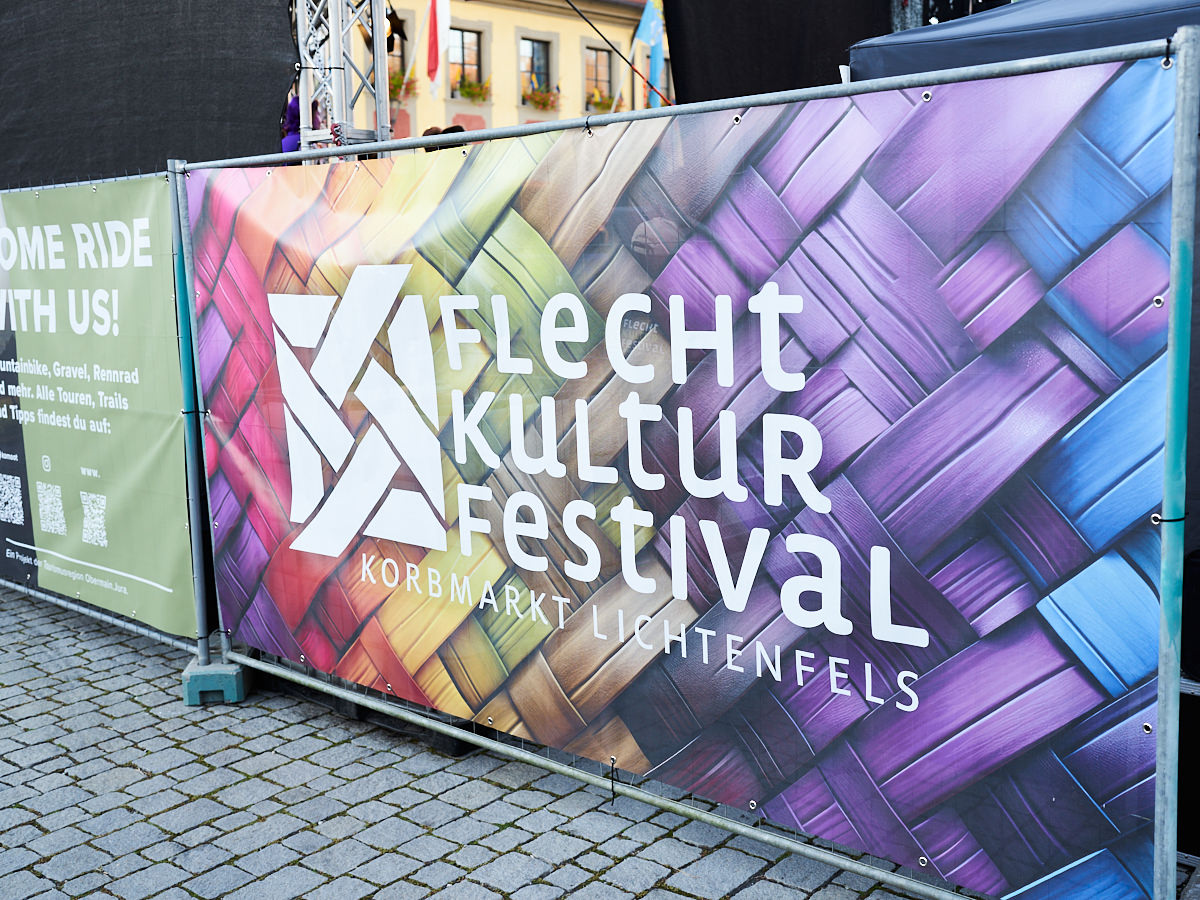
On the sign, the words “FLECHT KULTUR FESTIVAL” appear at the top, with “KORBMARKT LICHTENFELS” written below. In Japanese, this would roughly translate as “A Festival of Weaving Culture – The Lichtenfels Basket Market.” 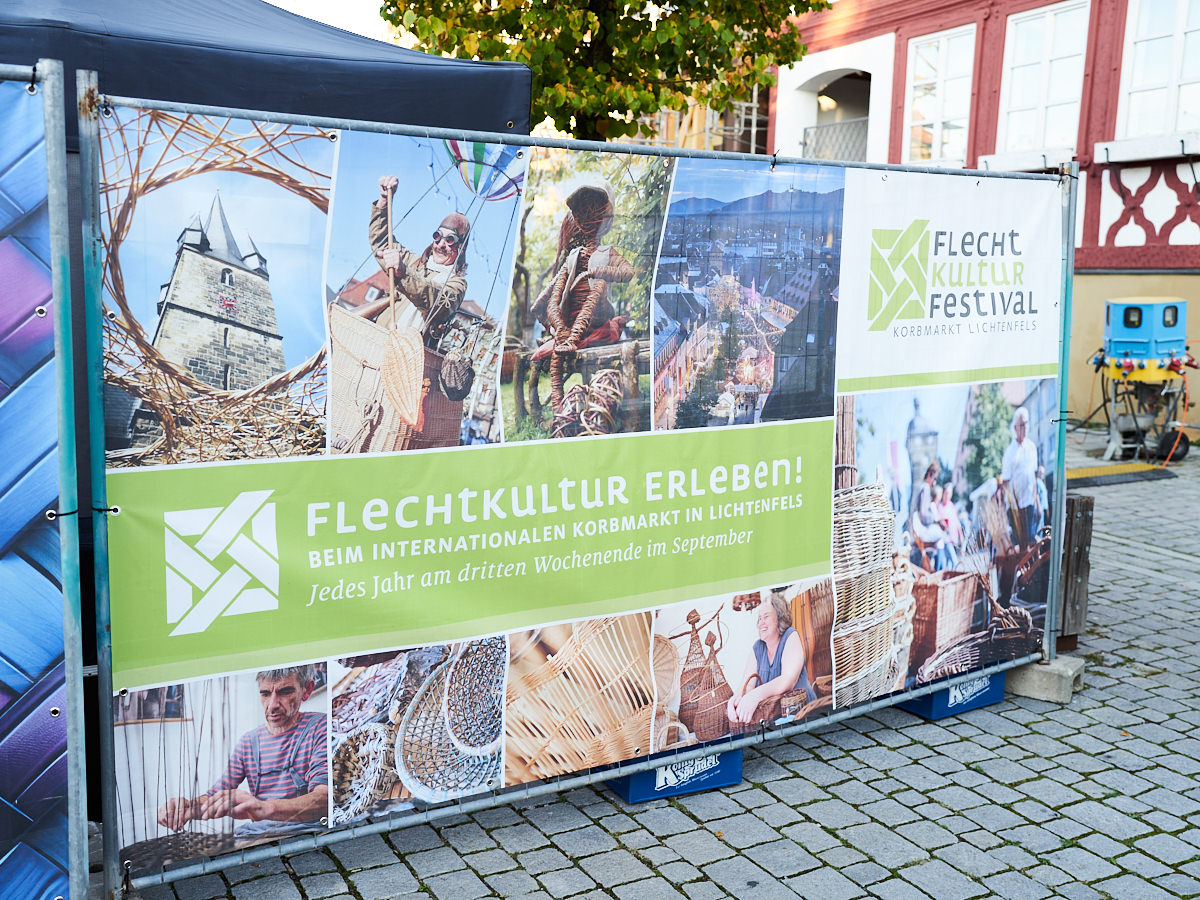
Another banner reads, “Experience Weaving Culture!” I was deeply impressed by the way basket weaving is presented here as a form of “culture,” and even used as the title of the festival itself. 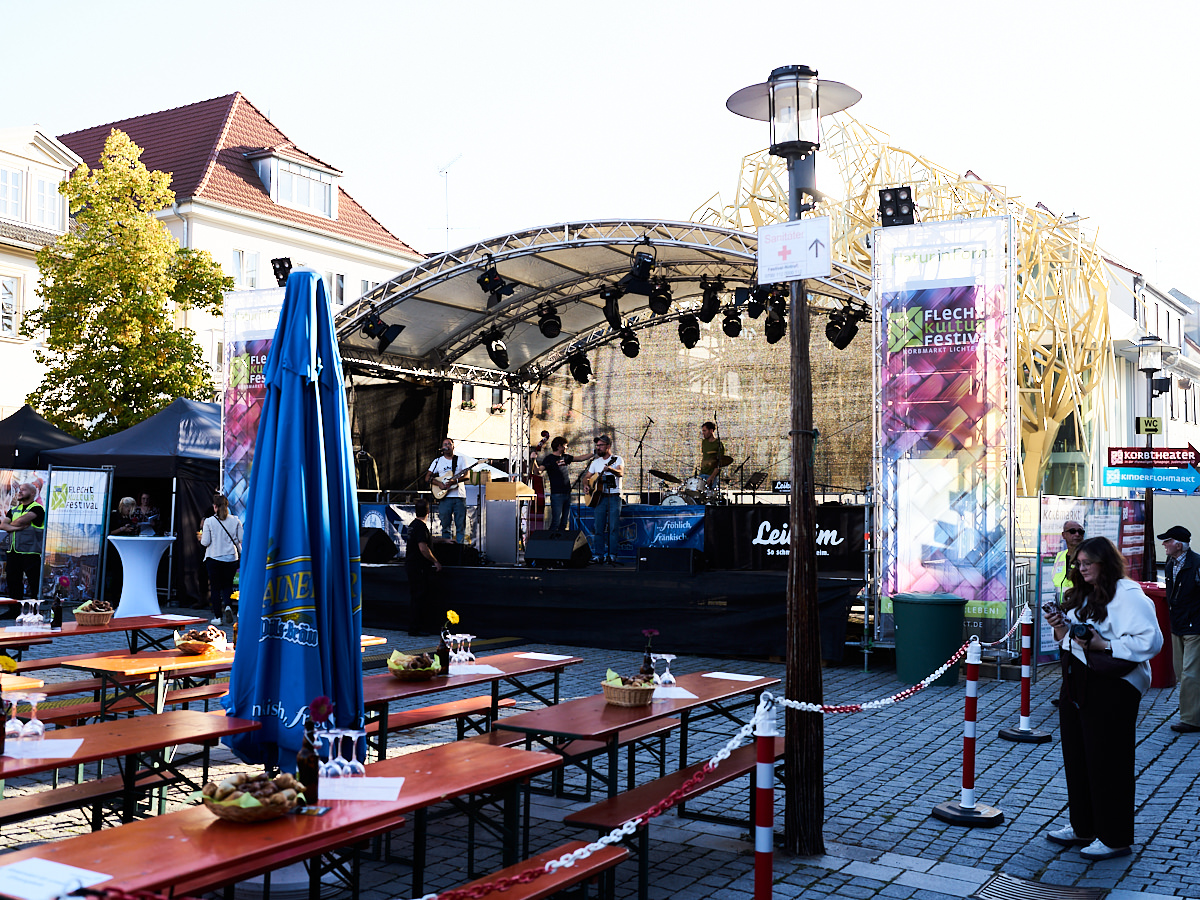
I had heard that a parade of exhibitors and people involved in the festival would begin at 6 p.m., so I decided to take a walk around the town center beforehand. This is the main stage. The opening ceremony, along with various events such as music and dance performances, will be held here. 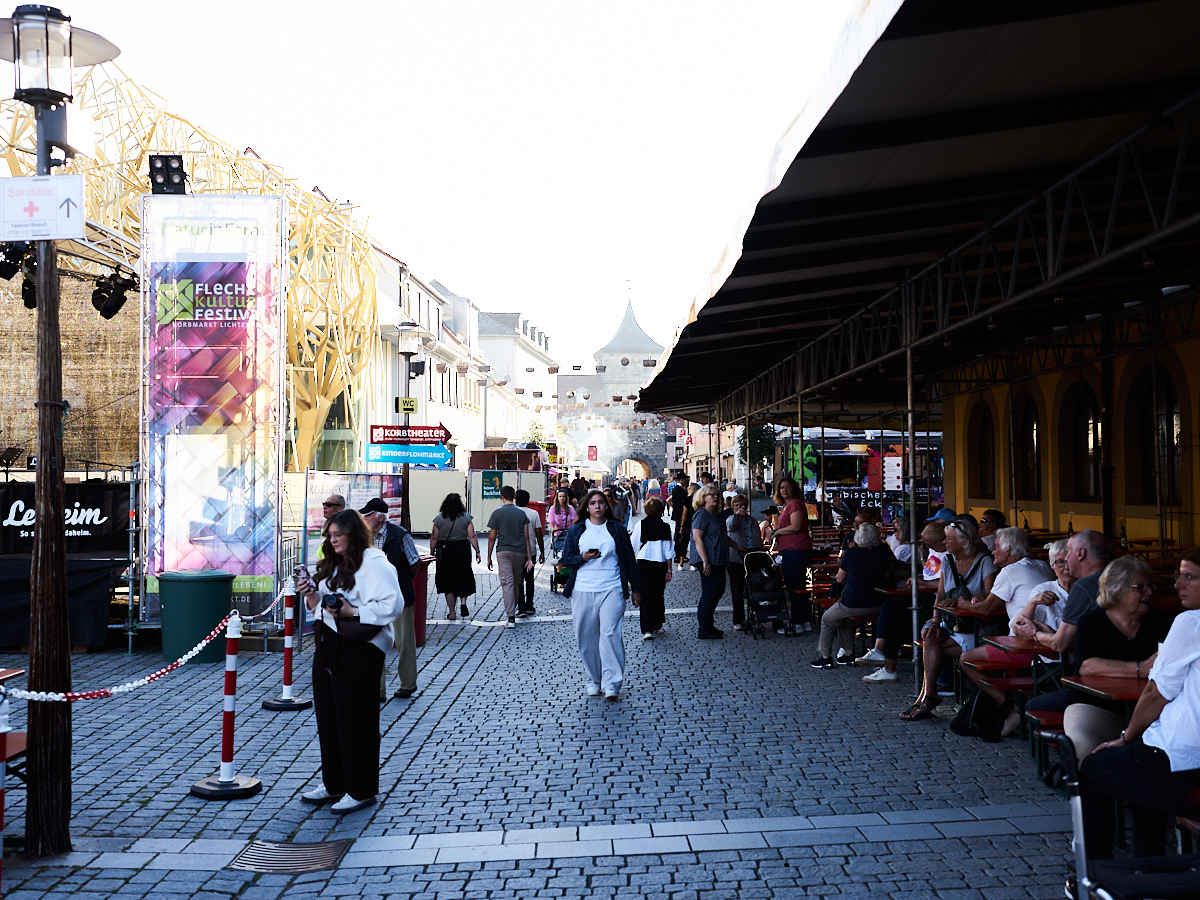
In front of and beside the main stage, rows of long tables and benches had already been set up, and here and there people had already begun enjoying their beer. Music was playing, and the festive atmosphere of the celebration could already be felt throughout the venue. 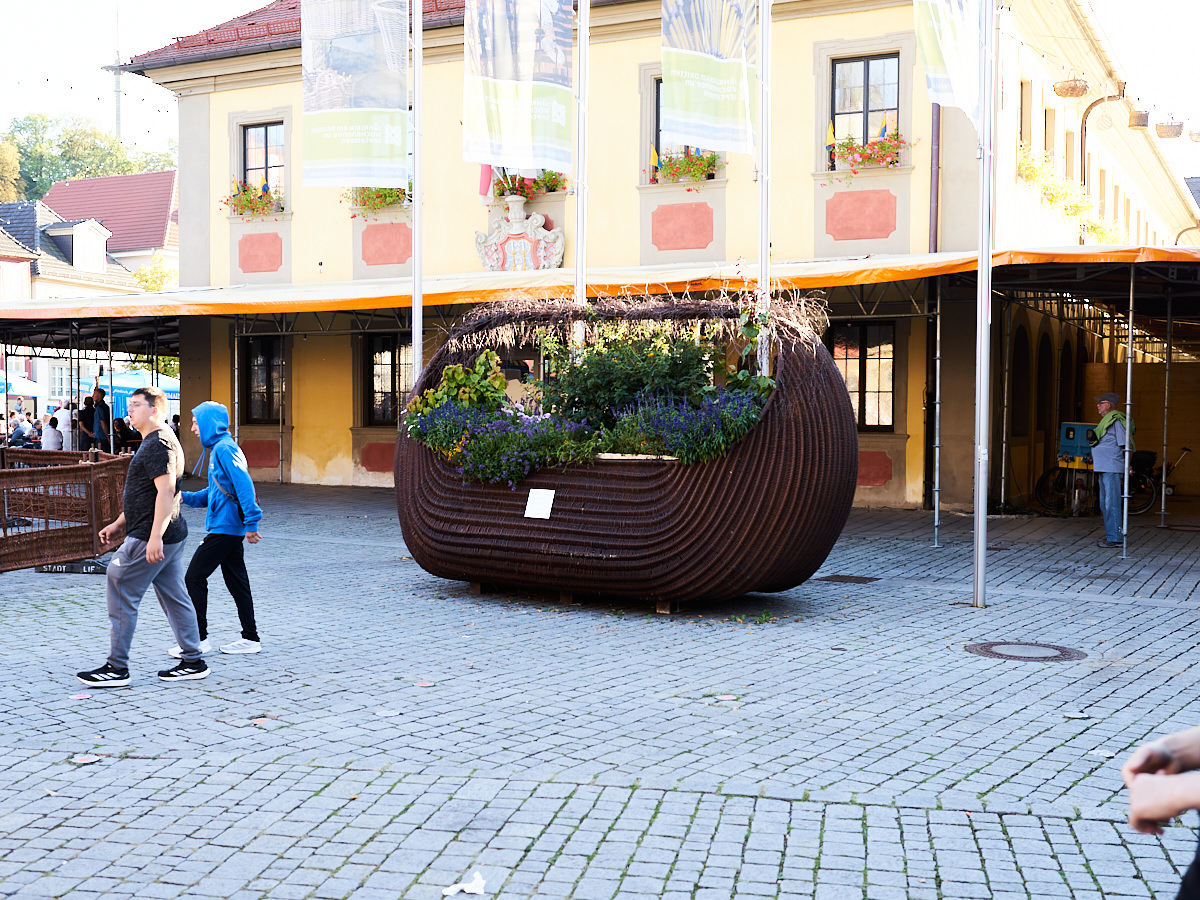
A large—very large—basket bag monument decorated with plants.
It was probably created as a decoration for the festival, yet it blends so naturally into the townscape that it almost feels as if it has always stood here, like one of the symbols of this town.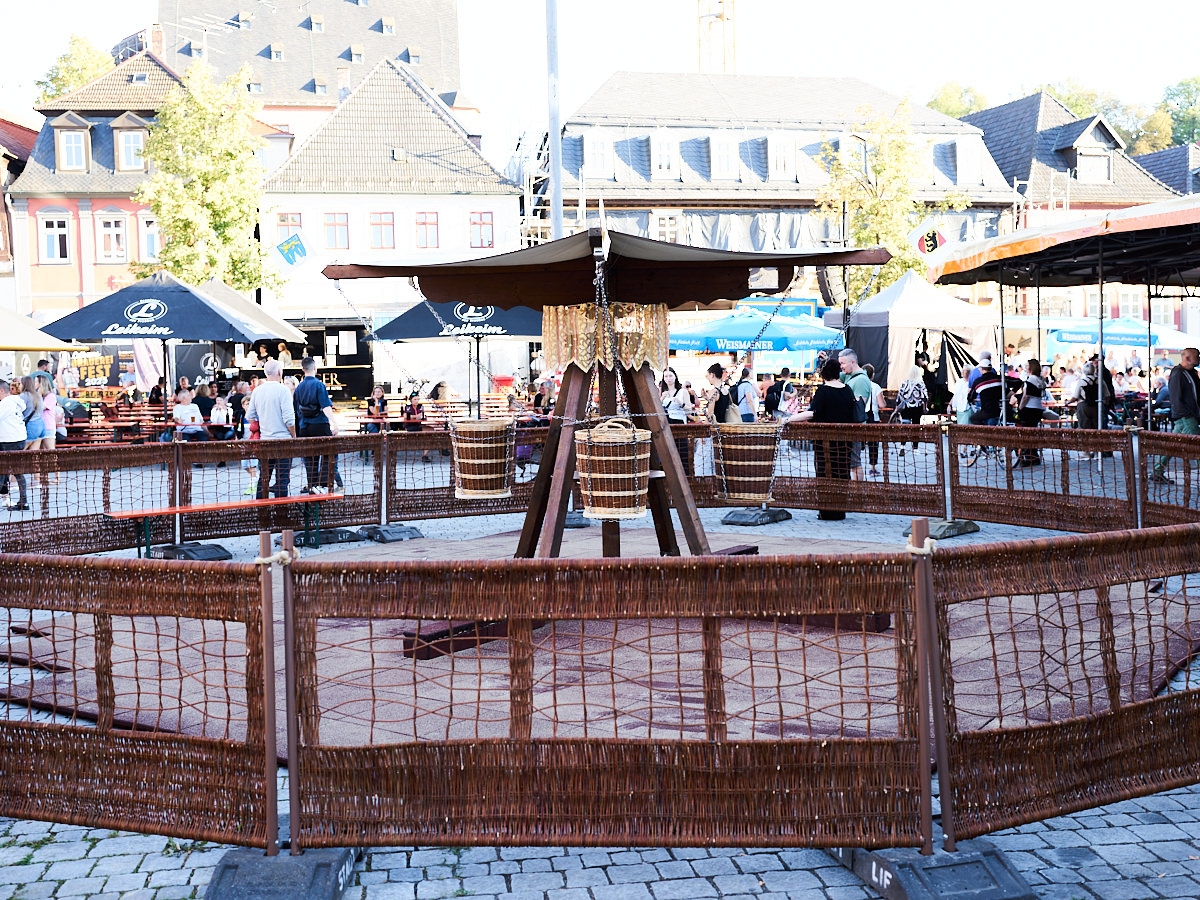
Well… what could this be?
Could it possibly be a basket merry-go-round?
Perhaps it’s for children. Let’s come back tomorrow and see what it looks like in action.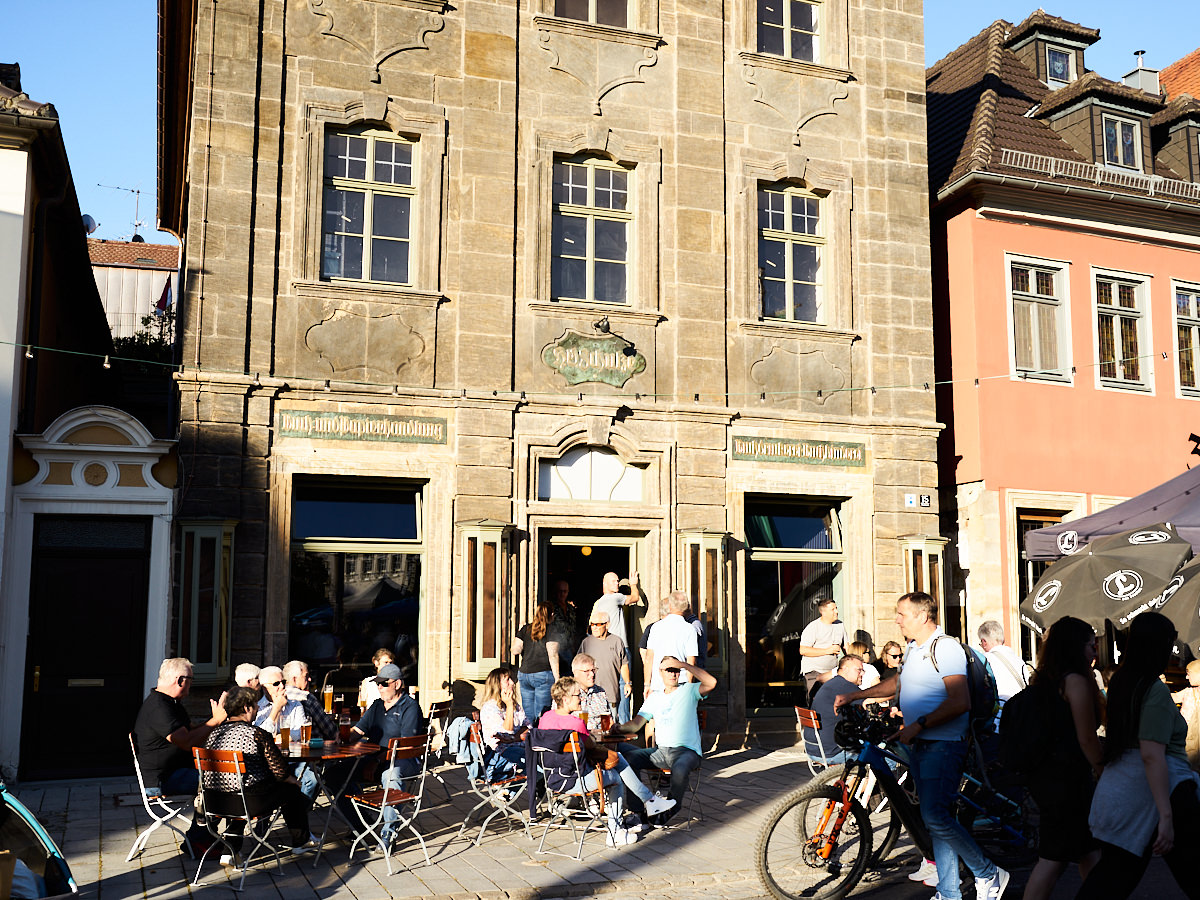
The restaurants surrounding the square where the main stage stands had all set out tables and chairs in front of their shops. But what catches the eye most of all is the presence of the buildings themselves. Each one is old, built solidly of stone, carrying the weight of many years. They have a quiet strength about them—simply, unmistakably beautiful. 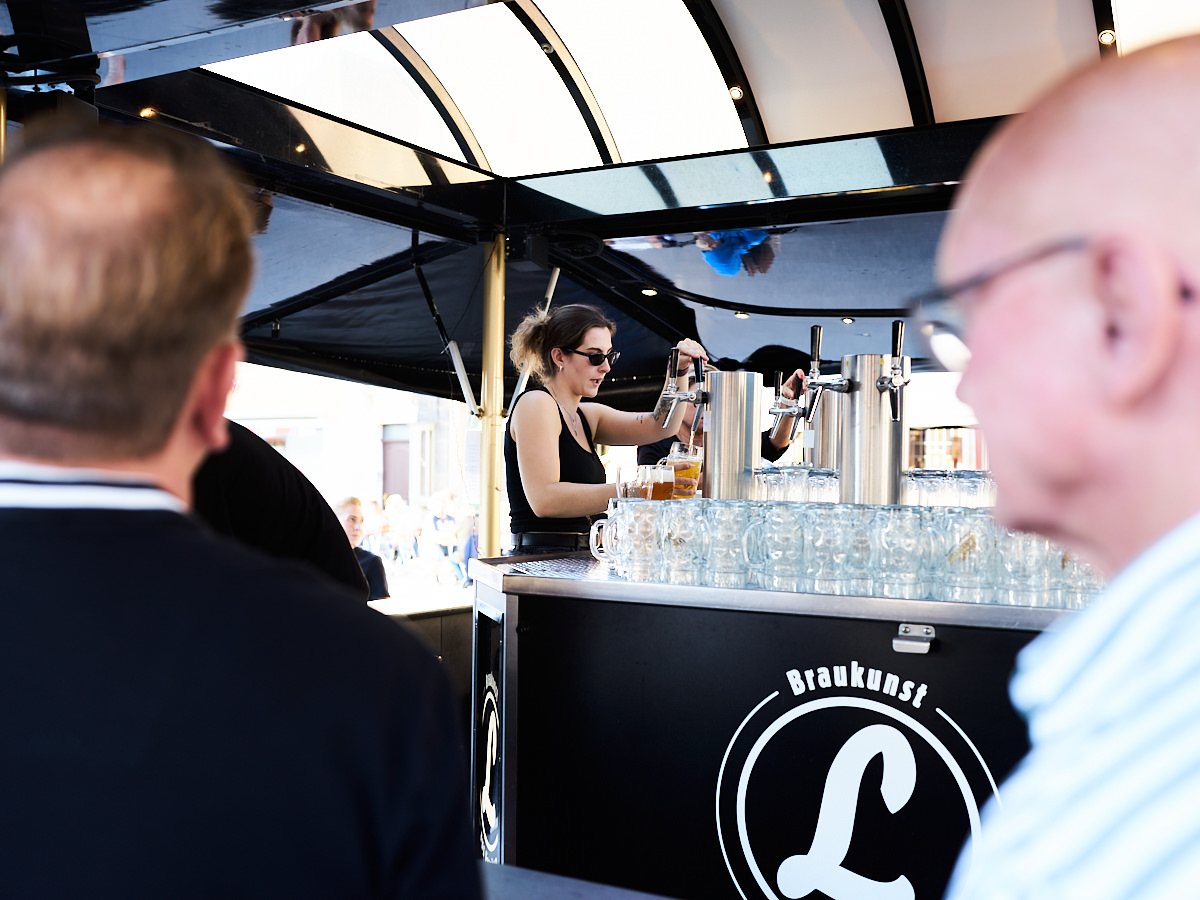
Many food stalls had also been set up around the square, and at each one you could see people already tilting large beer mugs as they began pouring the first beers of the evening. Just as we have local sake in Japan, I have heard that Germany, too, has its own beers that belong to each state and region. 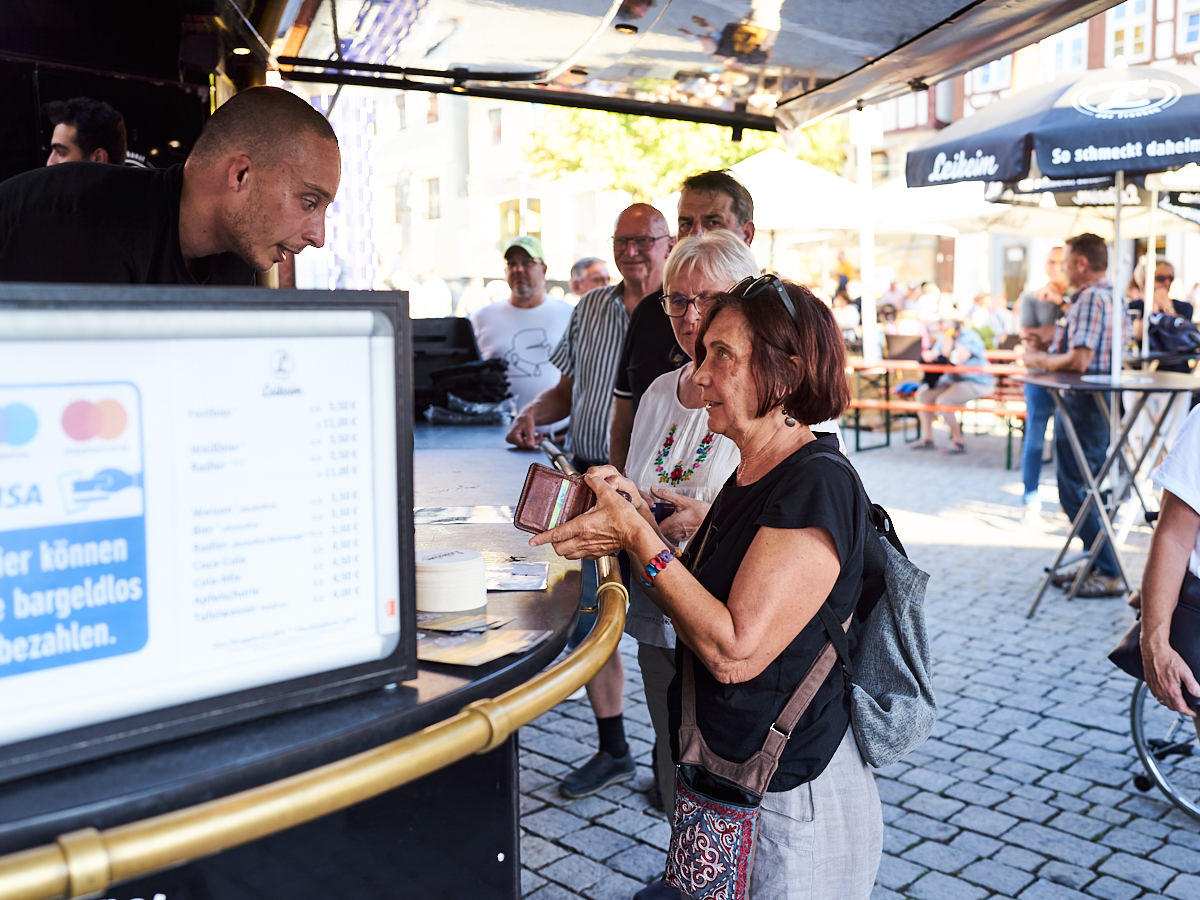
Here, local beer from the Franconia region, where Lichtenfels is located, was being served. The menu listed regular beer, wheat beer, and a beer mixed with lemonade (Radler), as well as non-alcoholic beer and non-alcoholic wheat beer. The price was €5.50 (about $6) for 500 ml and €11 (about $12) for a full liter. Soft drinks such as cola, cola with orange soda, and apple soda were €4.50 (about $4.90), while sparkling water was €4 (about $4.30). 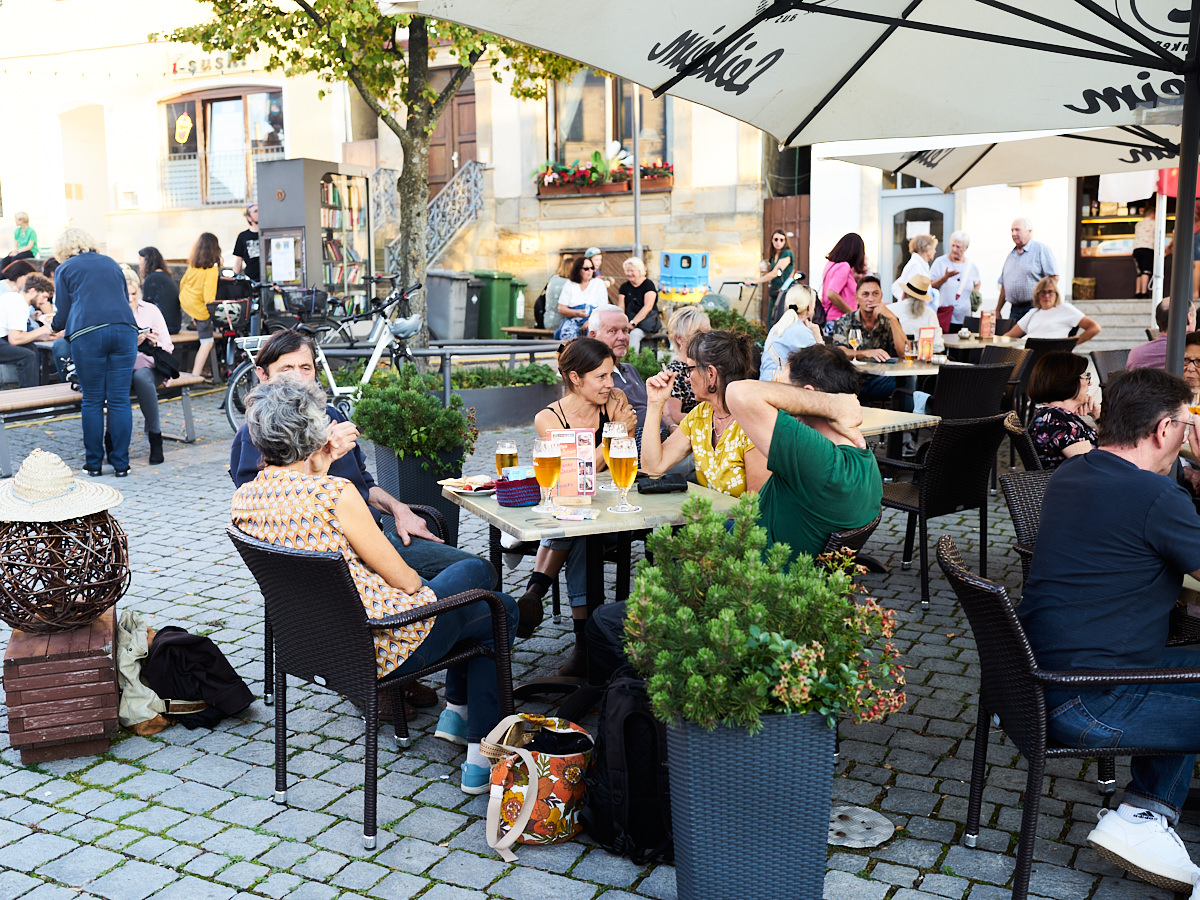
What I found particularly impressive was the system in which you pay a deposit for the bottle or mug together with the price of the drink. At the time of purchase, you are given a special token along with the drink, so it is clear which stall the bottle or glass came from. After finishing your drink, you return the glass or bottle together with the token, and the deposit for the container is refunded. Rather than relying on disposable containers, this simple system—using nothing more than a small token—helps ensure that everything is properly returned and reused. I was quite impressed by how naturally such a recycling practice has taken root here.
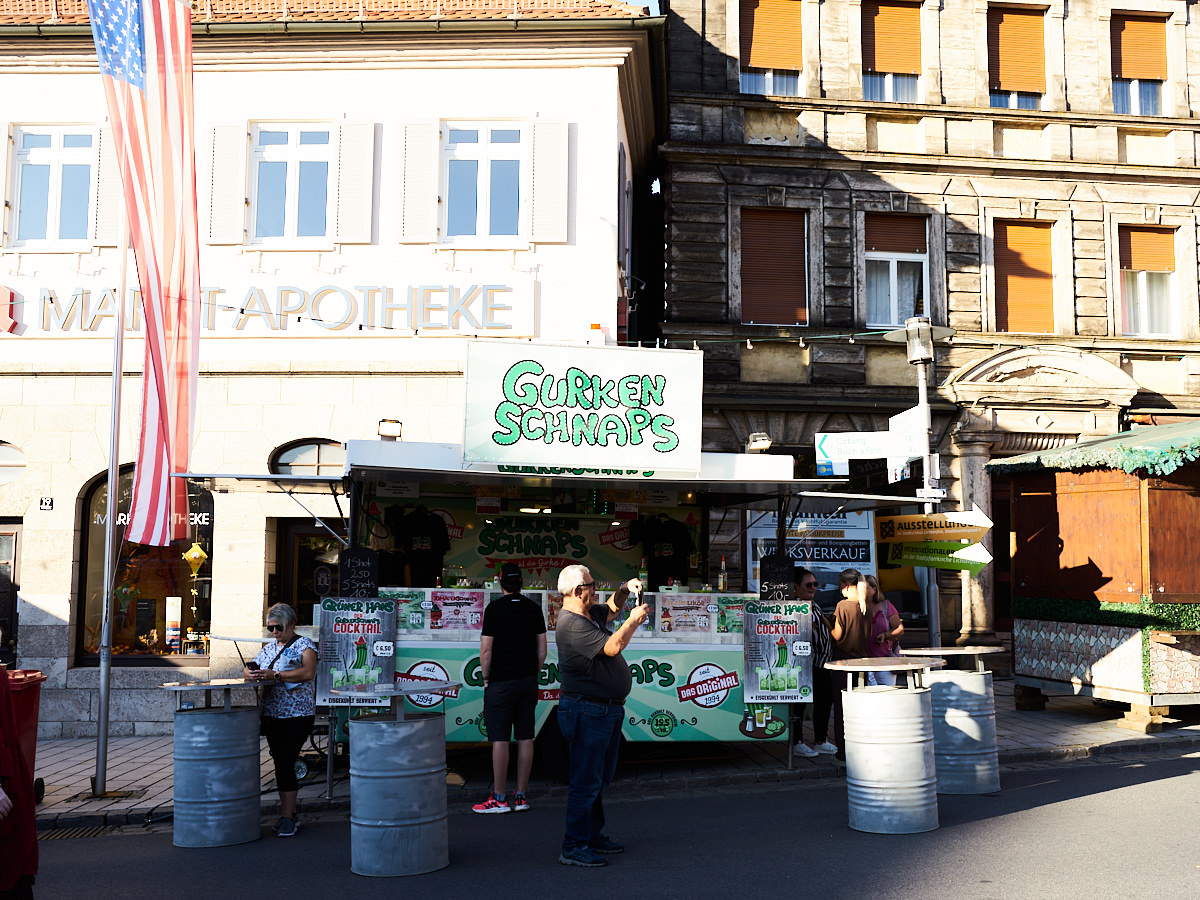
Besides beer, this stall also appeared to be serving a German distilled spirit called “Schnaps.” It is a strong alcoholic drink, usually taken as a shot from a small glass. 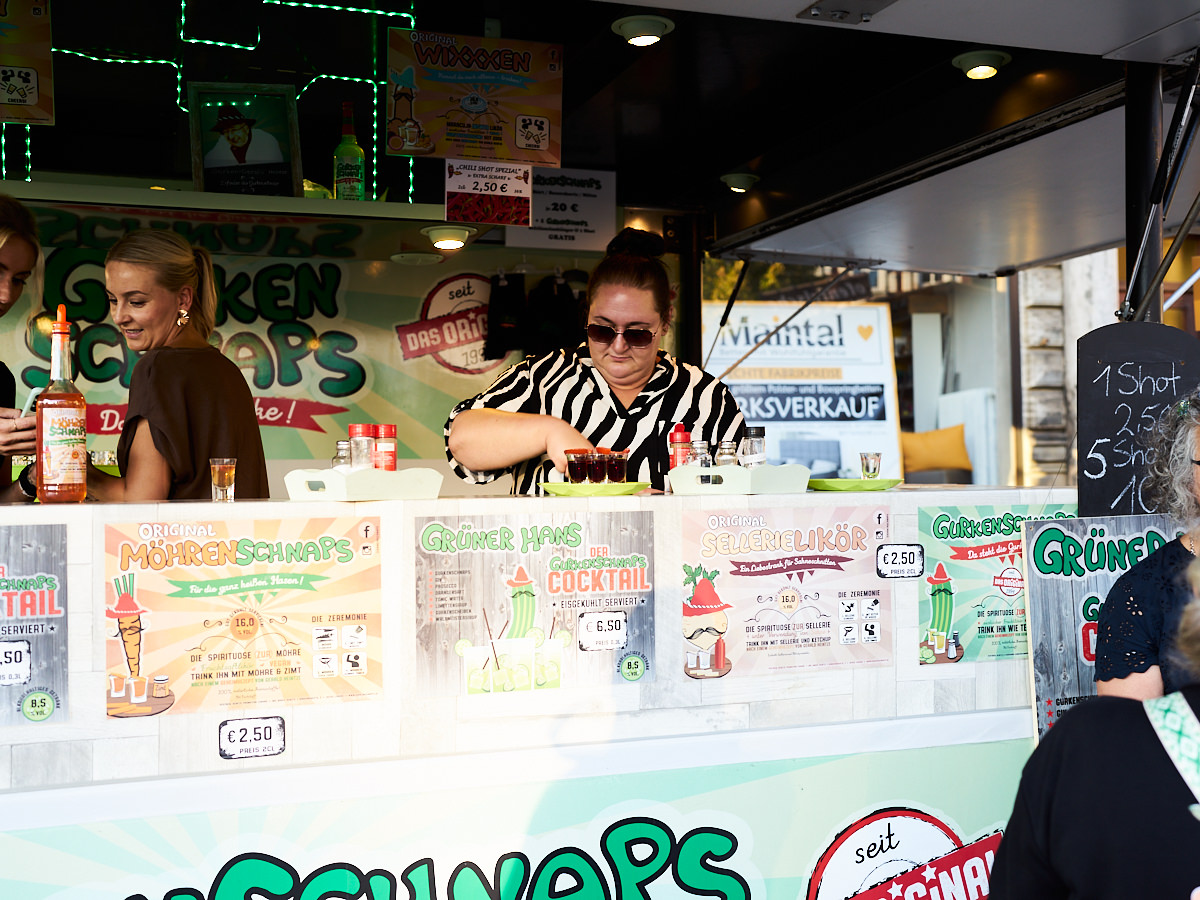
The sign reads “Gurken” (cucumber), so it seems they even offer a cucumber-flavored variety. There also appeared to be other flavors, including carrot and celery. 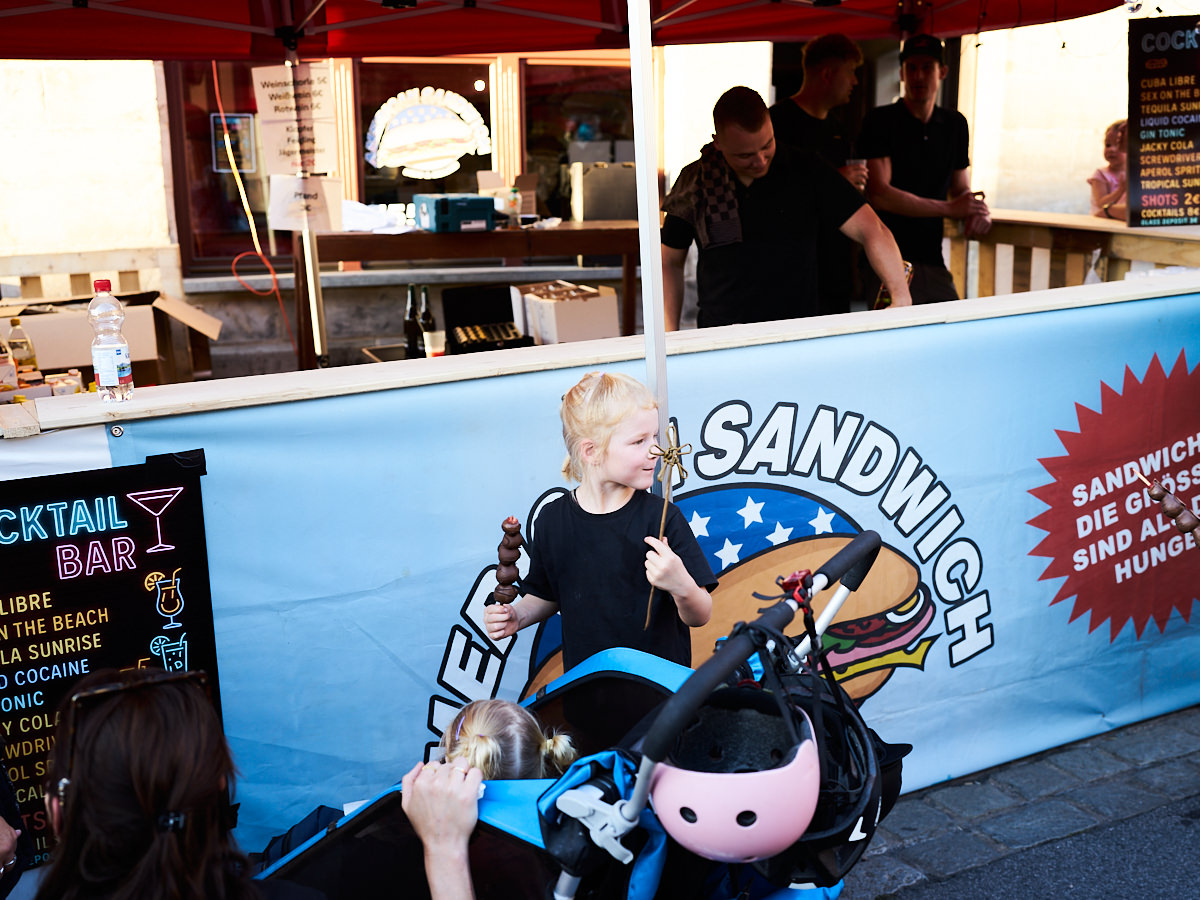
Besides the stalls selling beer and spirits, there were also sandwich stands. 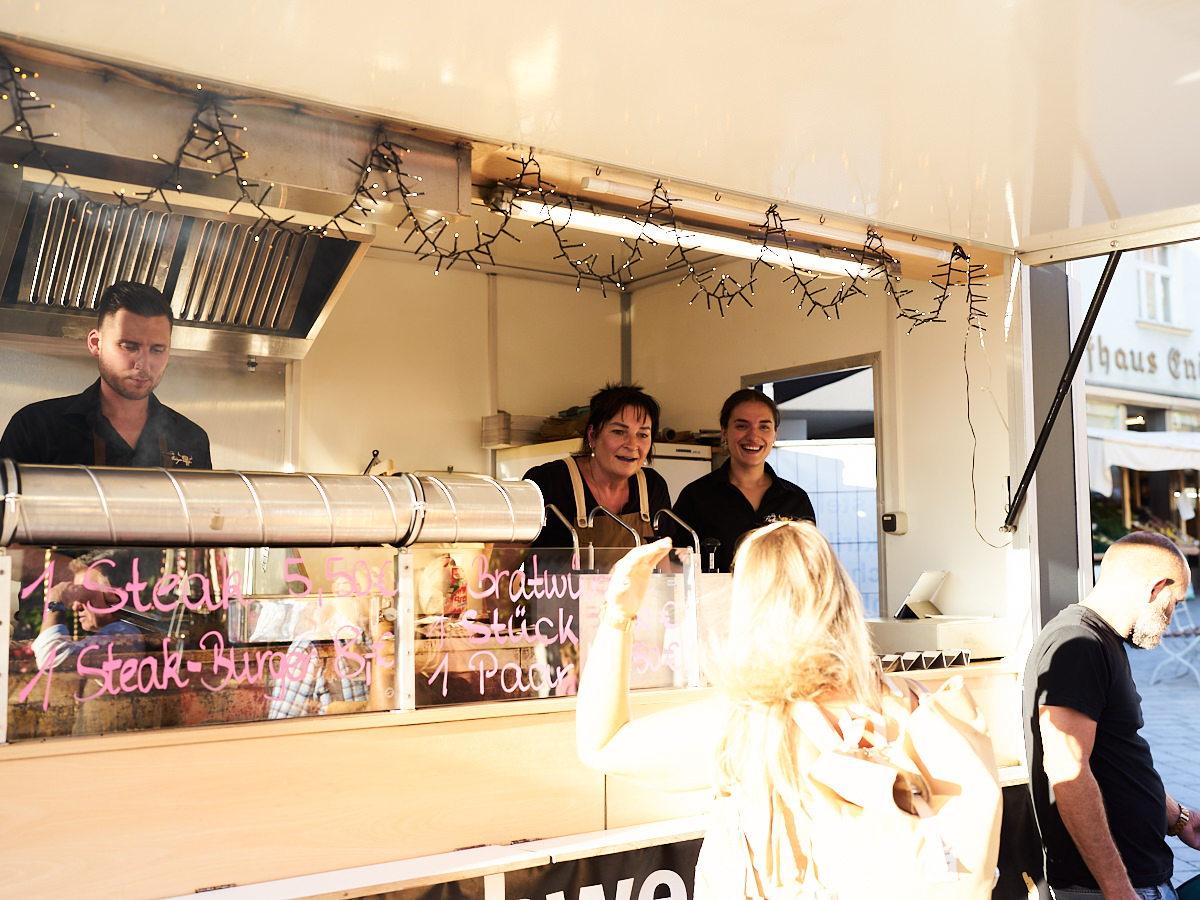
There were also stalls serving sausages and steaks. 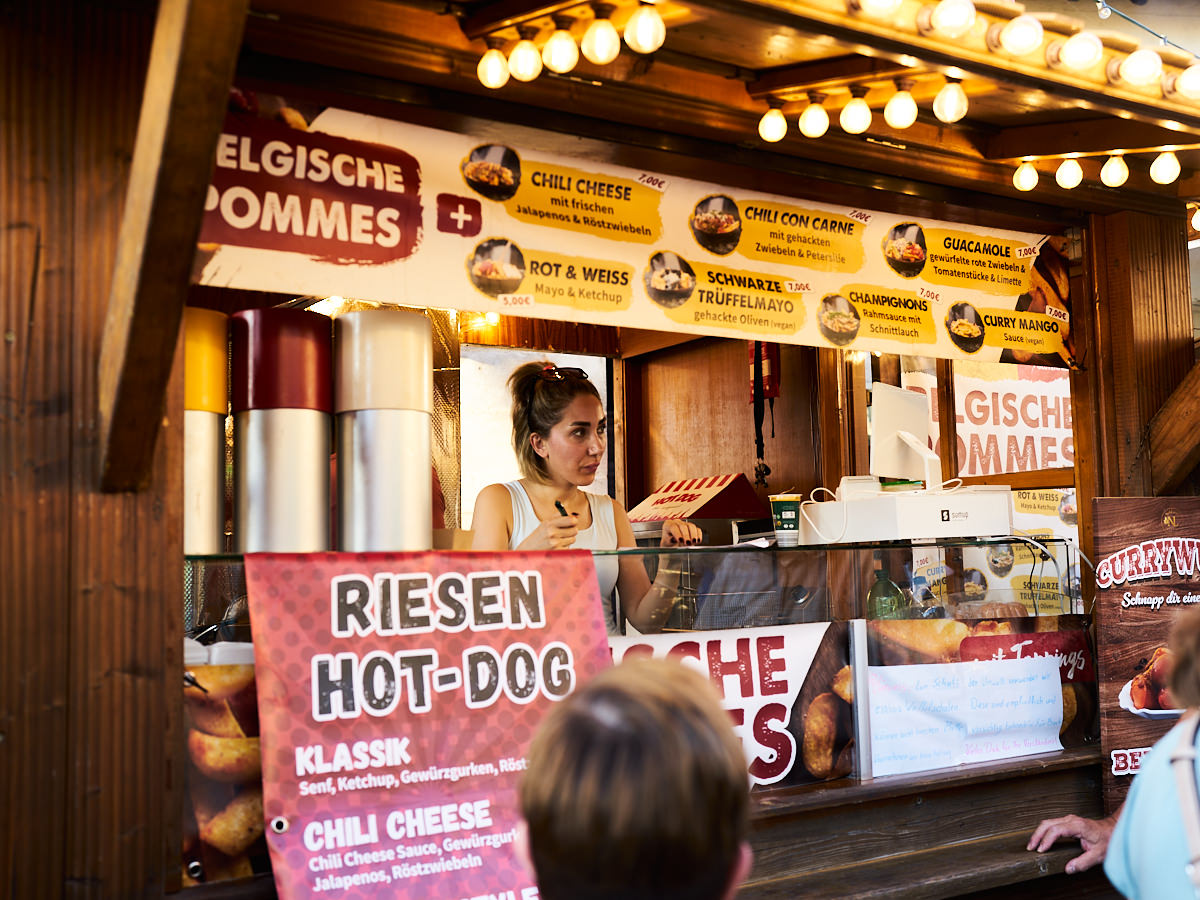
This stall was selling hot dogs and Belgian fries. Belgian fries are known for their thick-cut potatoes, fried twice to make them crispy on the outside and fluffy inside. They certainly looked delicious! 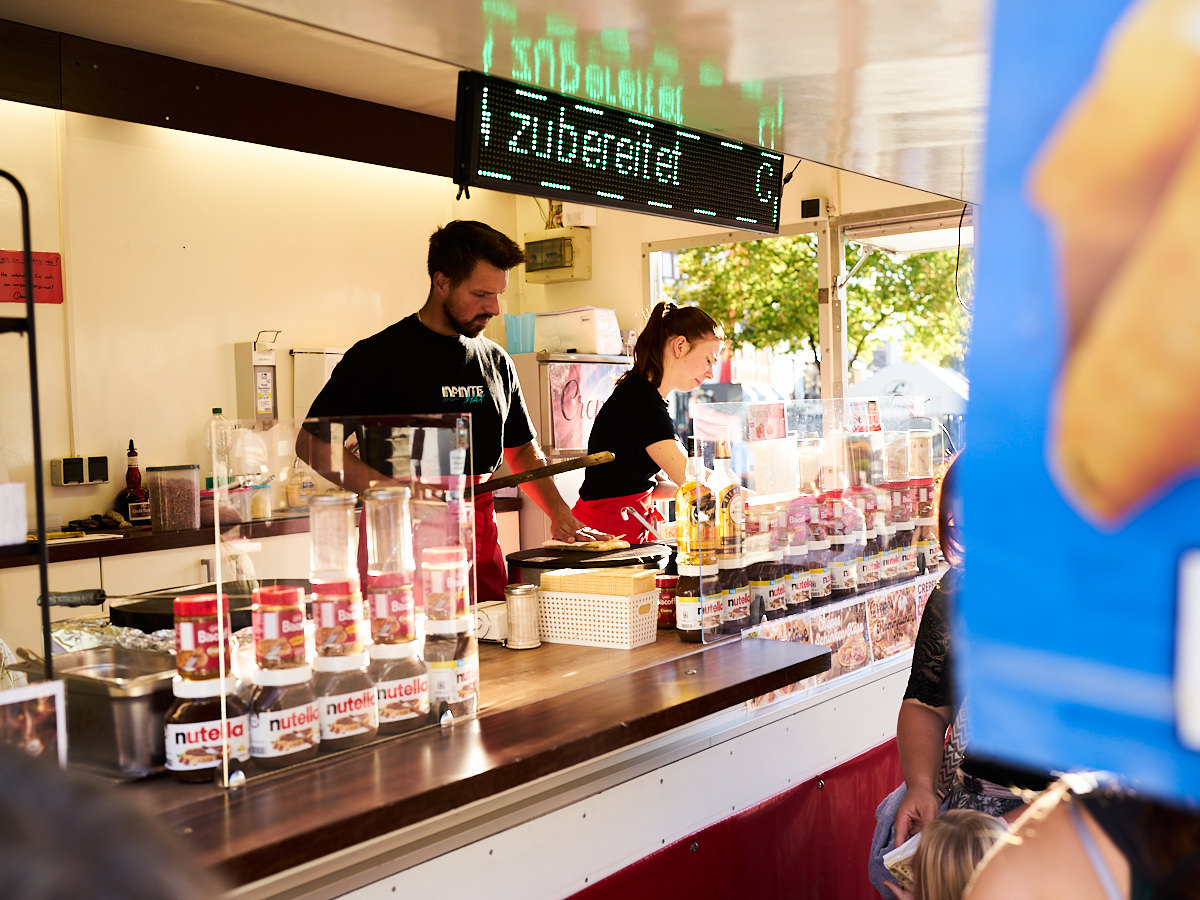
For dessert, there was also a crêpe stand. 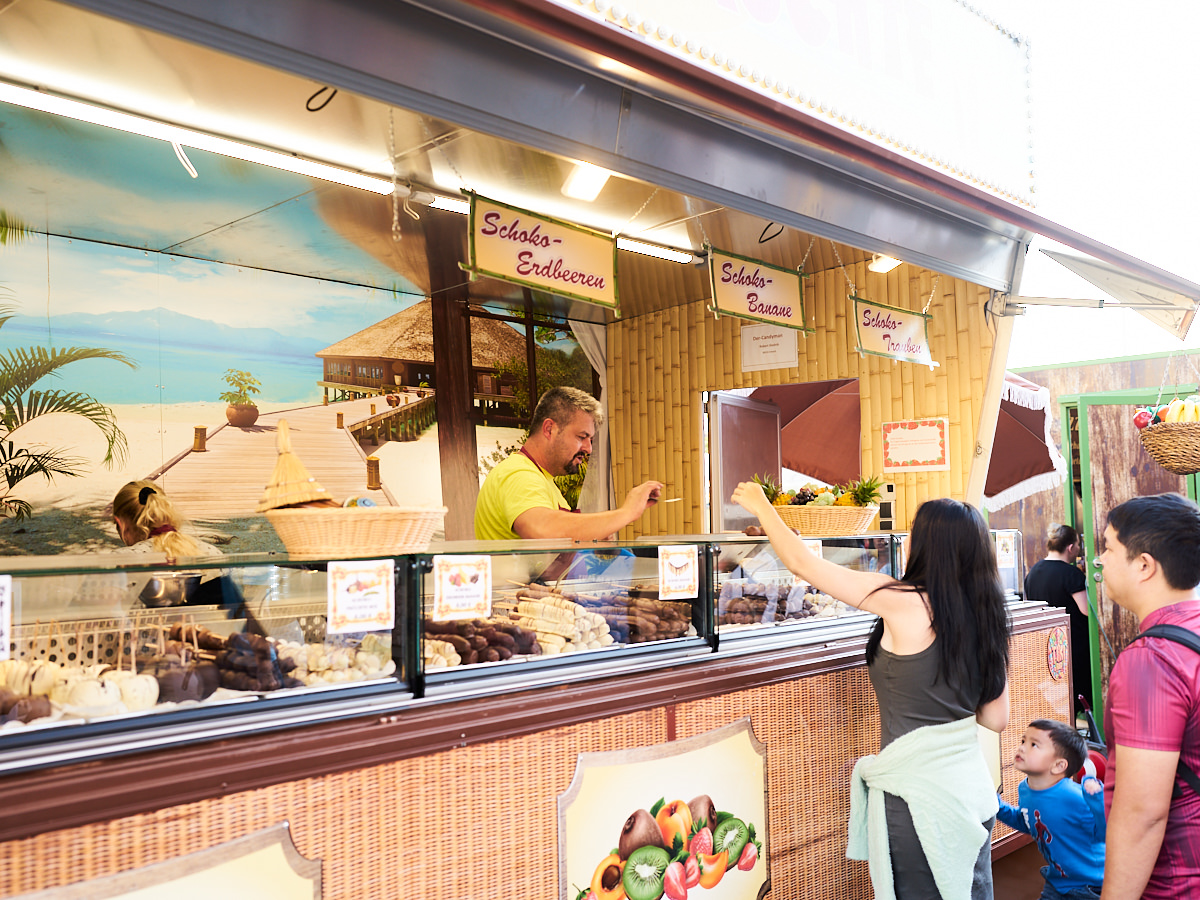
Another stall was coating various fruits with chocolate—there were even chocolate-covered bananas. 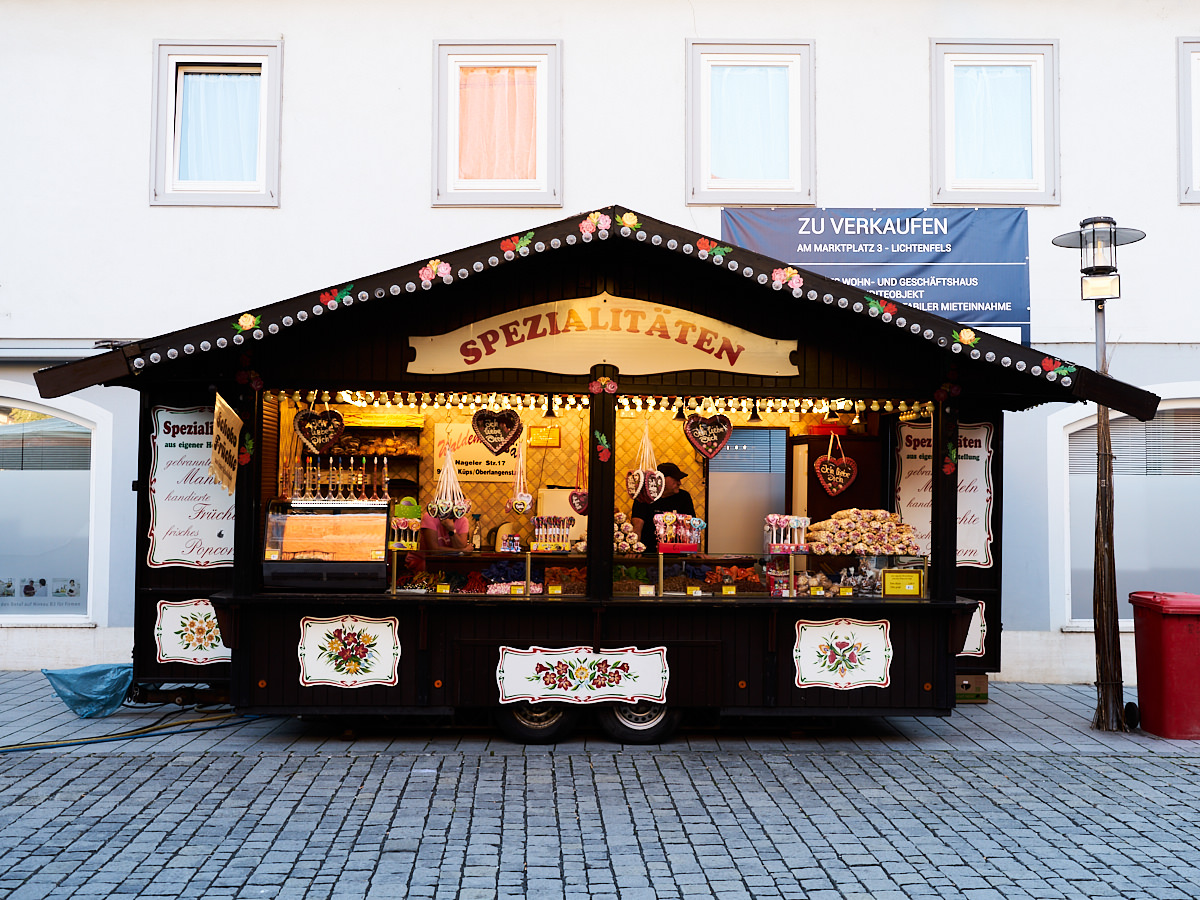
There was even a stall lined with all kinds of sweets, reminiscent of the gingerbread house from Hansel and Gretel. 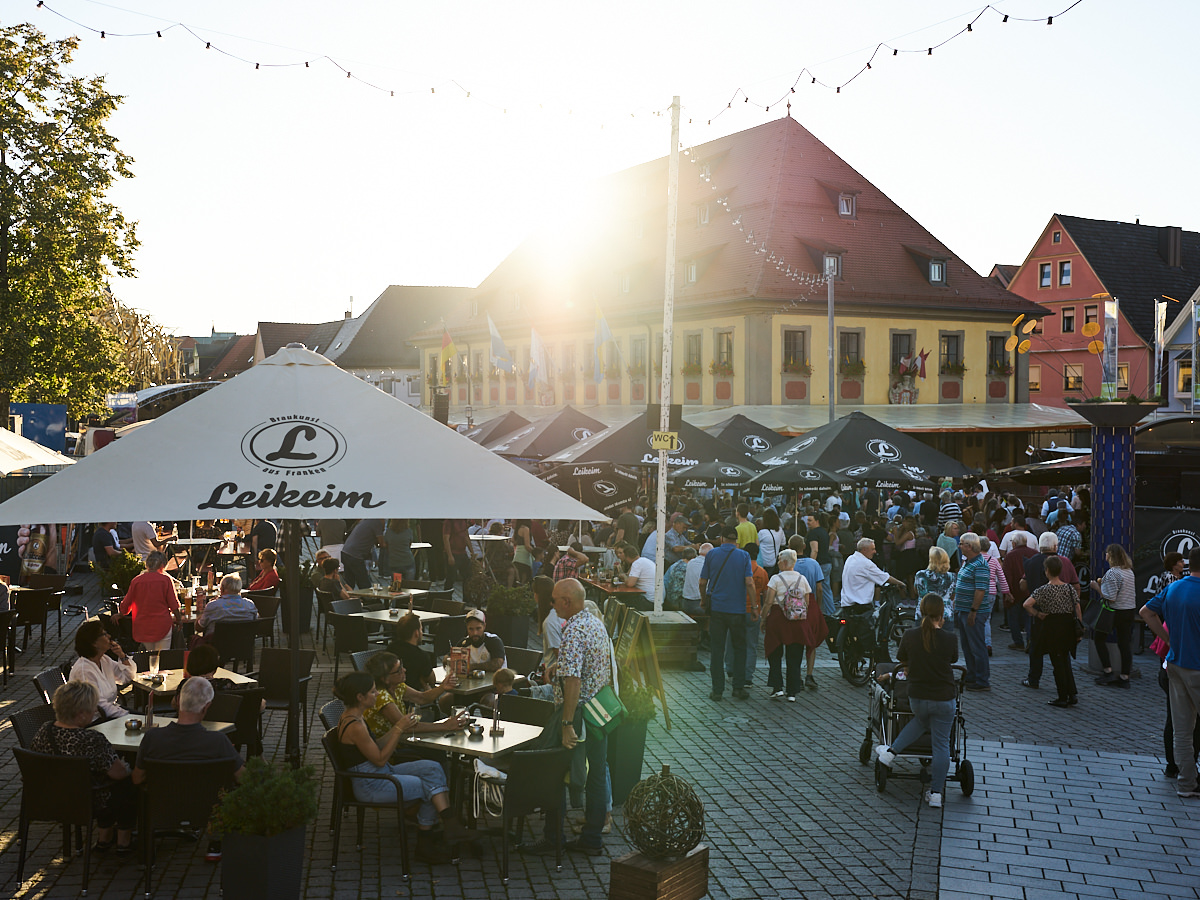
It was a scene of a German festival, with all kinds of people enjoying themselves in their own way. 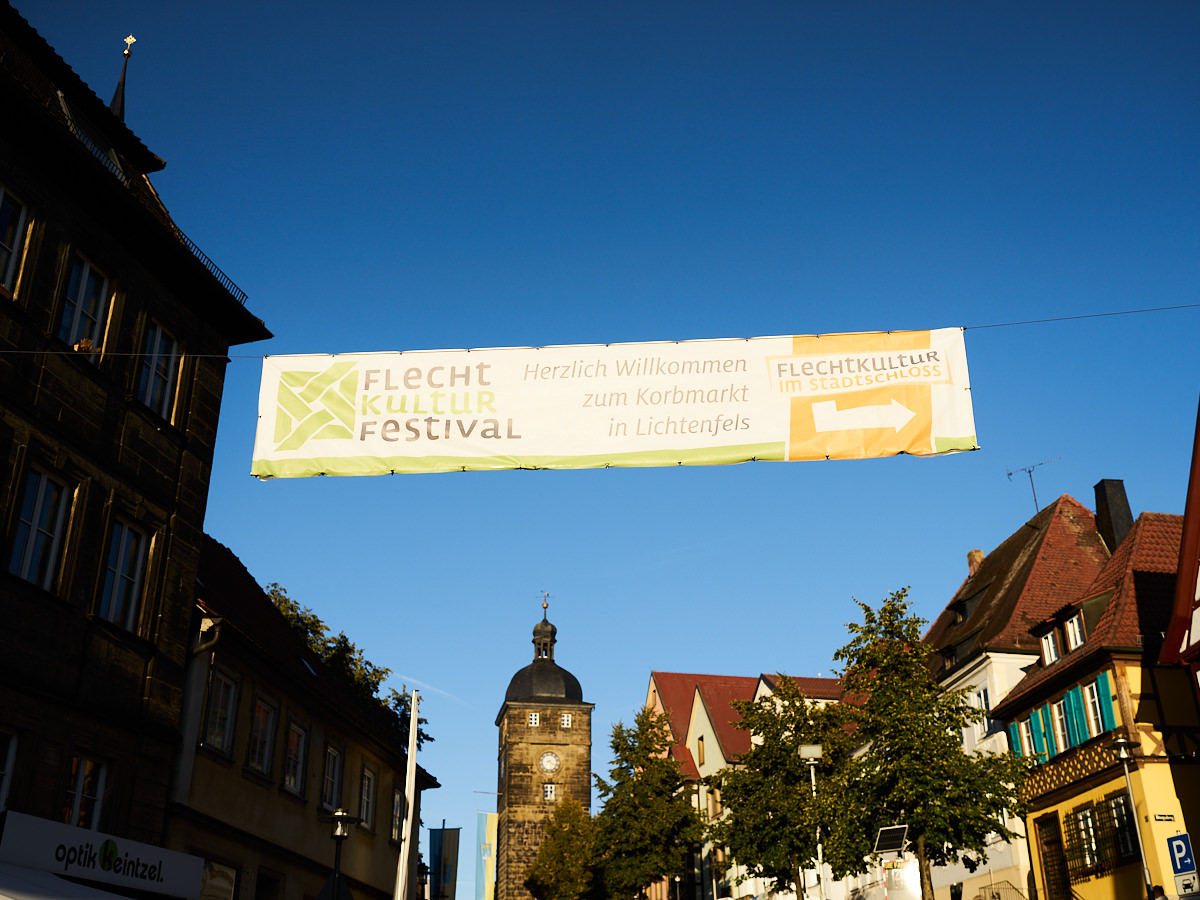
Oh—right, it’s almost time for the parade!
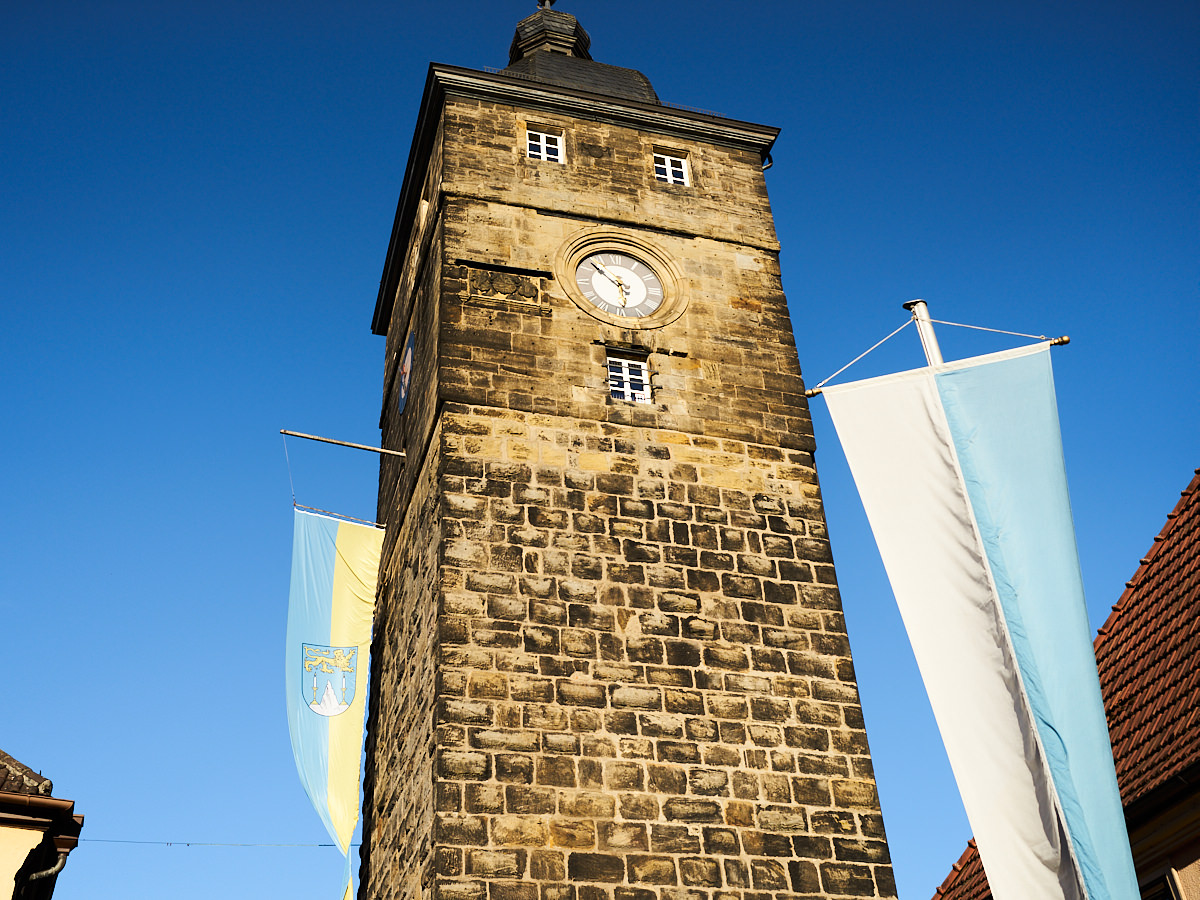
I had heard that the parade would begin further up the hill from the square where I was standing, near the clock tower.
So I hurried up the slope and waited there for the parade to arrive.
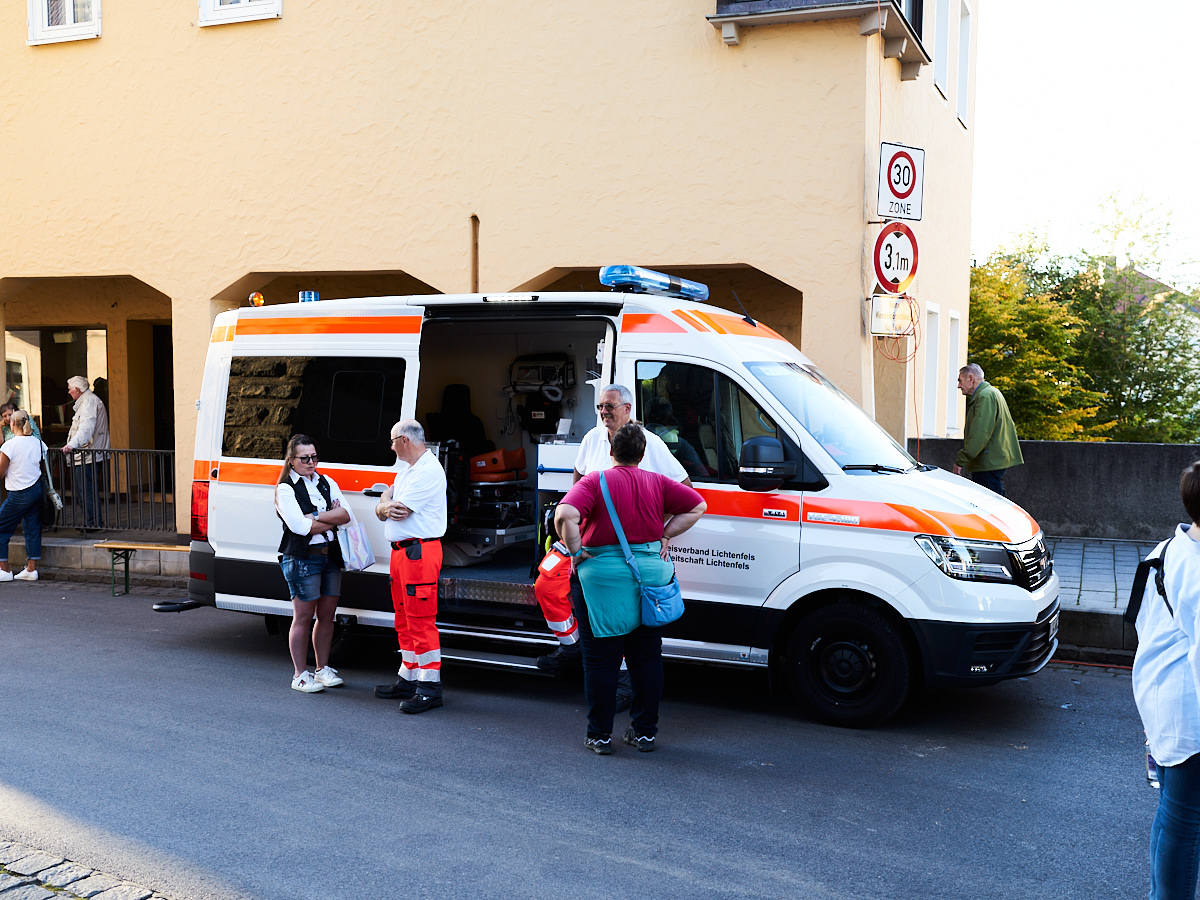
As I climbed the slope toward the clock tower, I also spotted members of the emergency services. 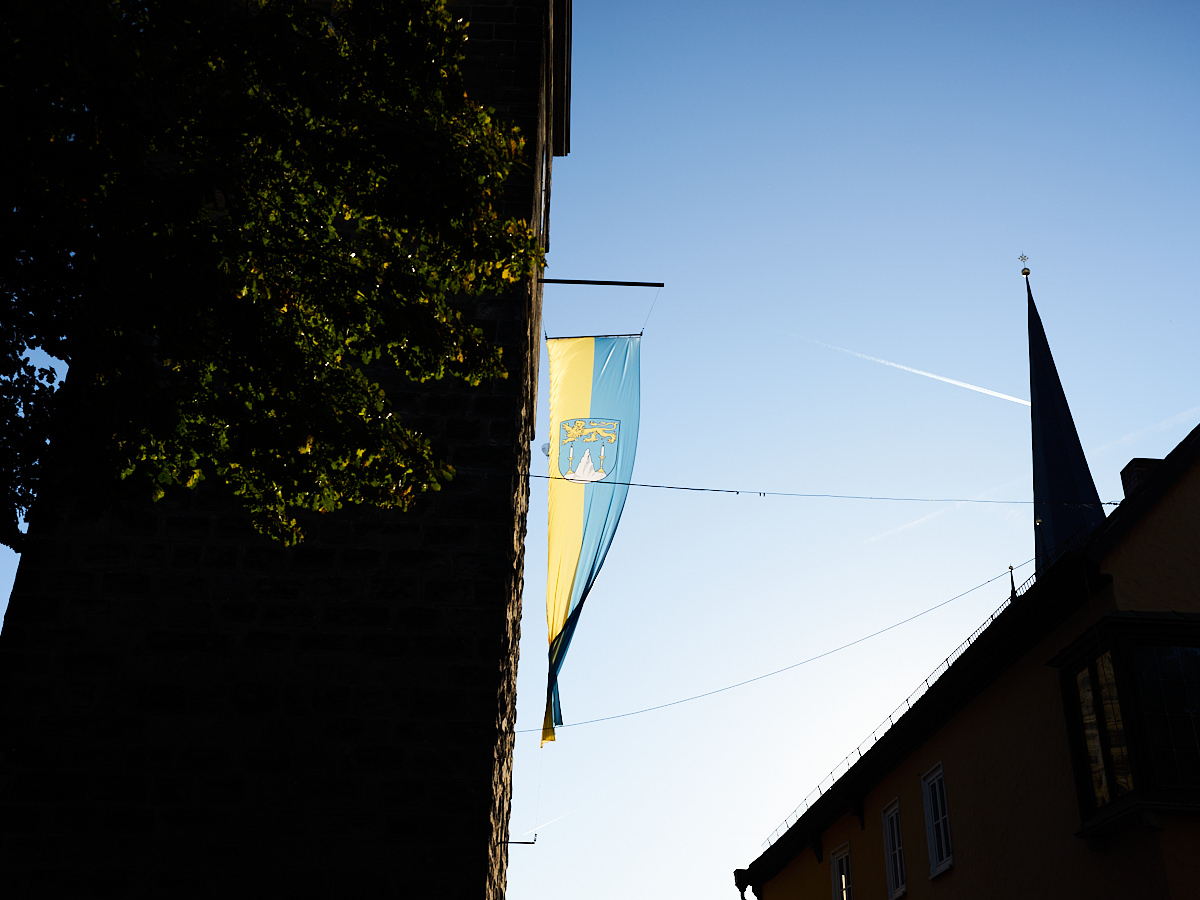
In the cloudless evening sky, the flag of the city of Lichtenfels fluttered in the breeze. 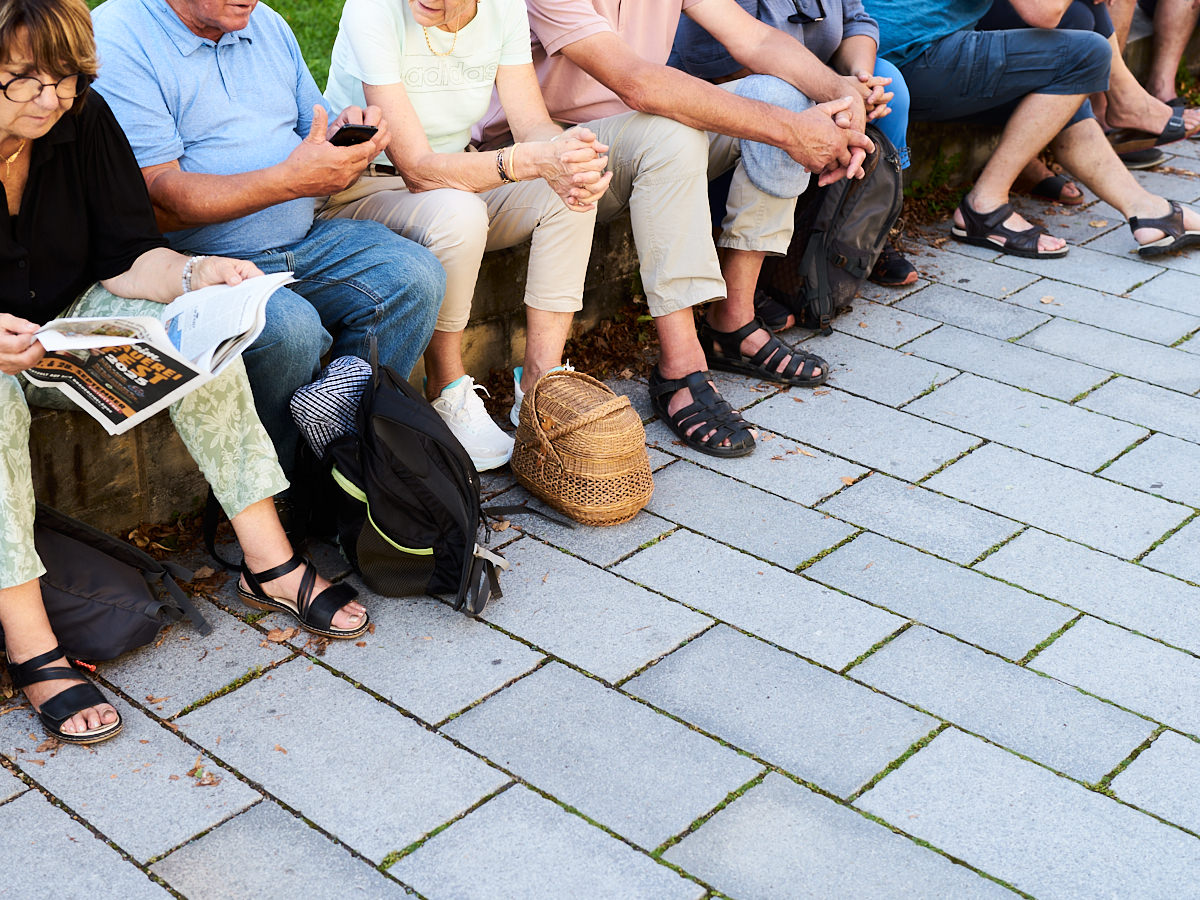
Even while waiting for the parade, my eyes kept drifting toward the baskets. This is the kind of picnic basket often seen in Europe. The way it was being used so casually felt very charming. 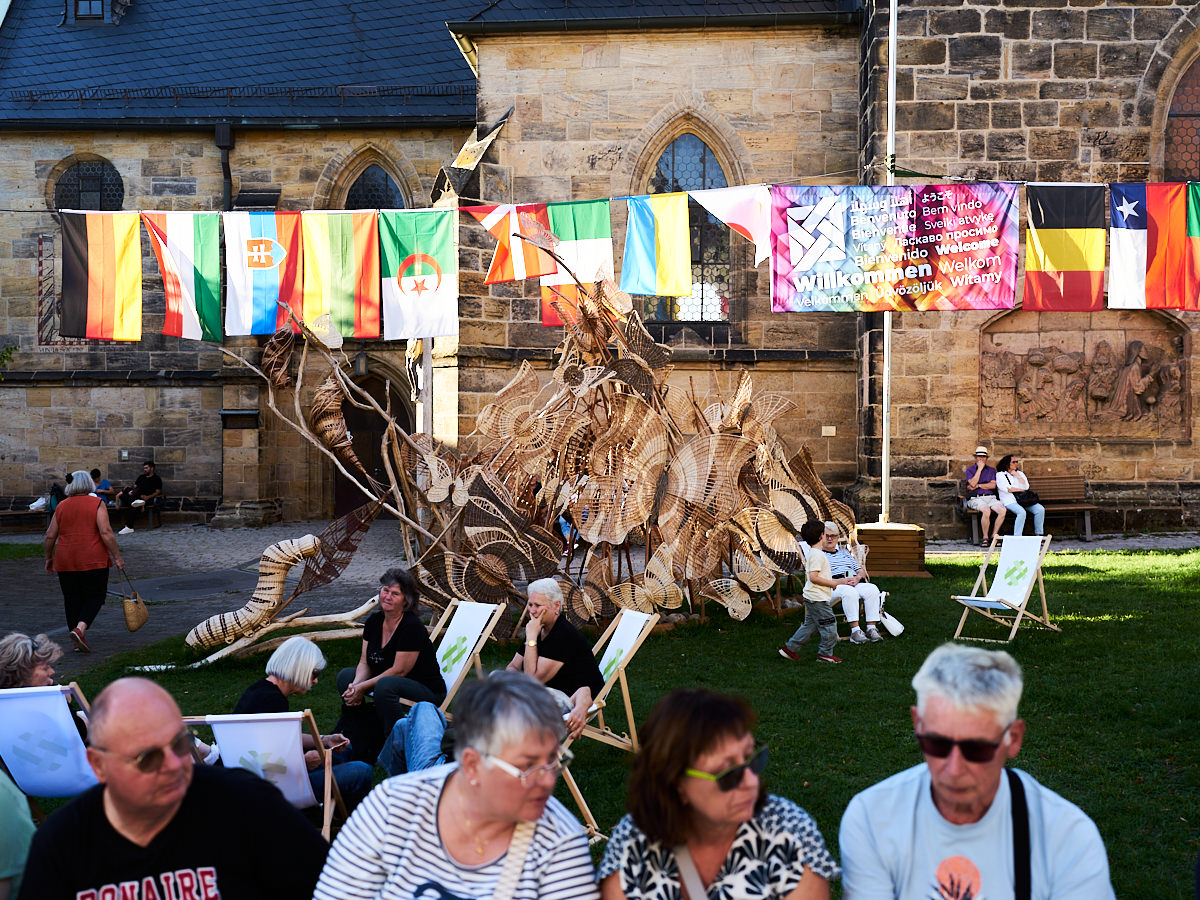
According to the festival materials, more than eighty makers gathered for the 2025 festival, coming from eighteen countries across five continents. 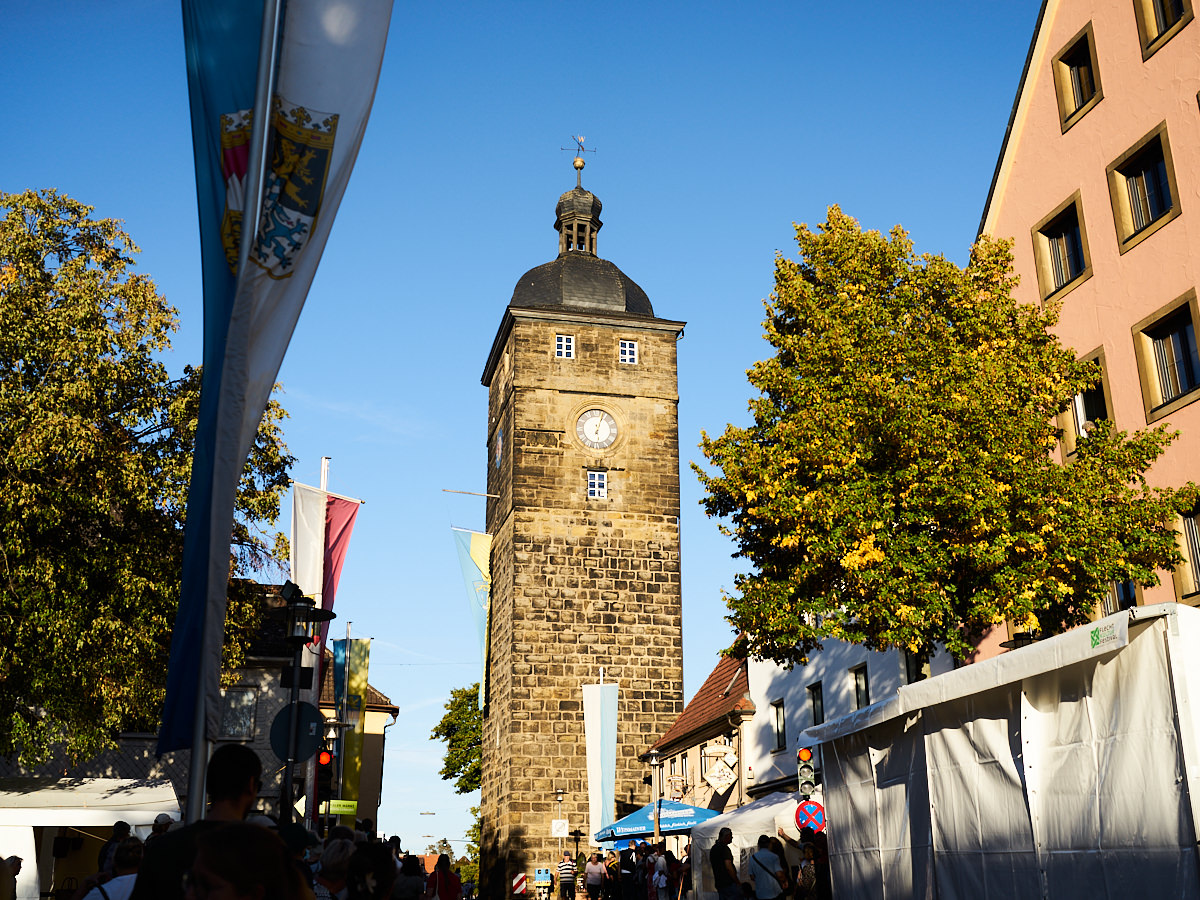
At last, just after six in the evening, the parade began. From the distance, the rhythm of a brass band slowly approached. 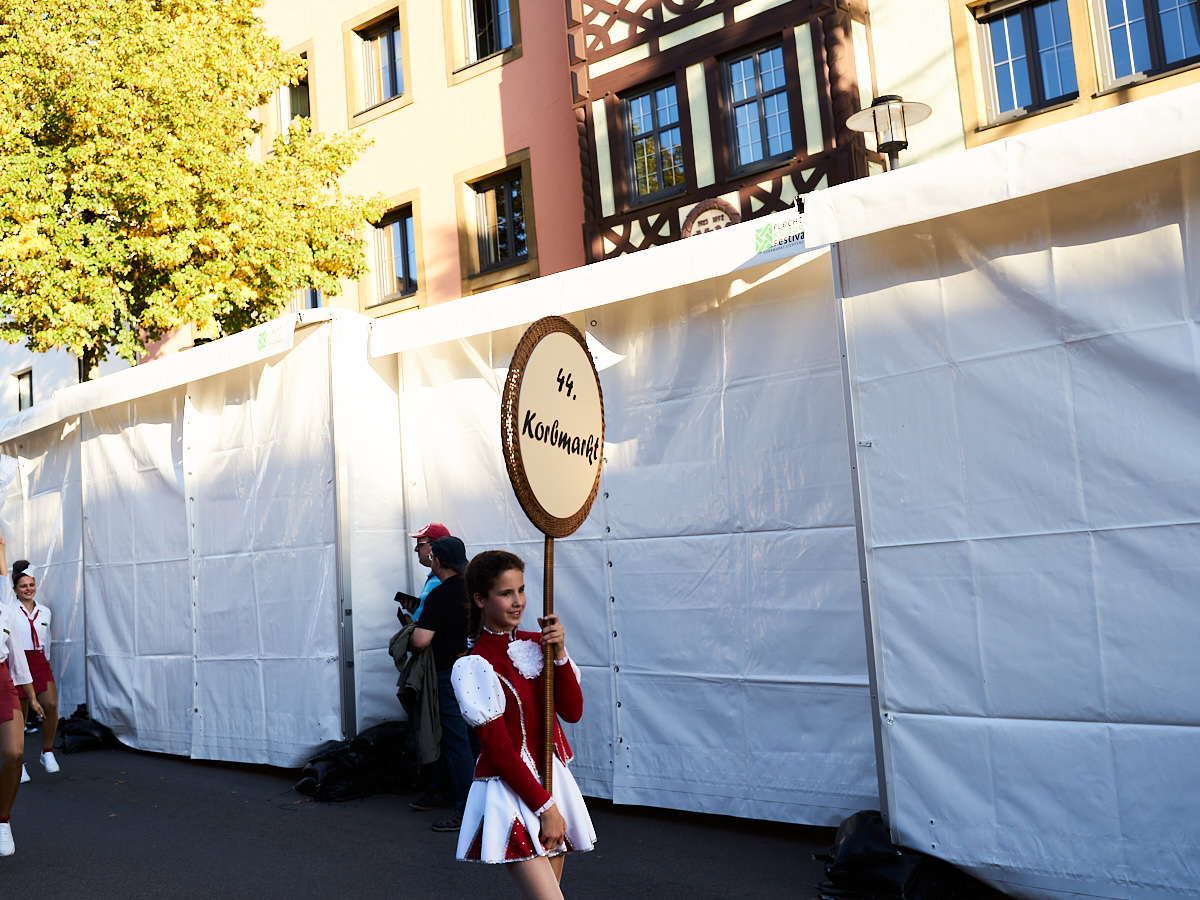
The sign reads “44th Basket Market.” The history of the festival itself goes back much further, but it seems that this number refers to the forty-fourth time it has been held in its current form as an international basket market. 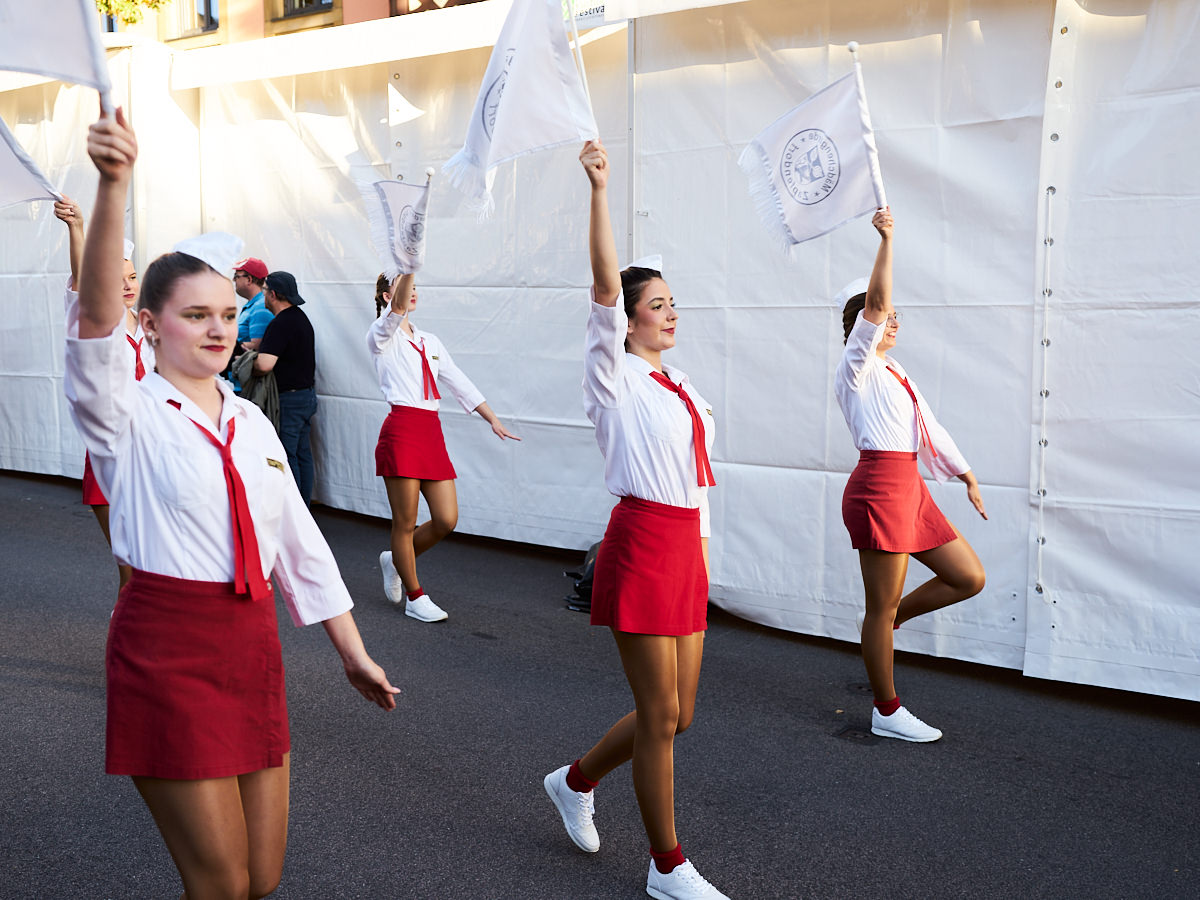
Leading the parade was a team of women in striking white and red outfits. 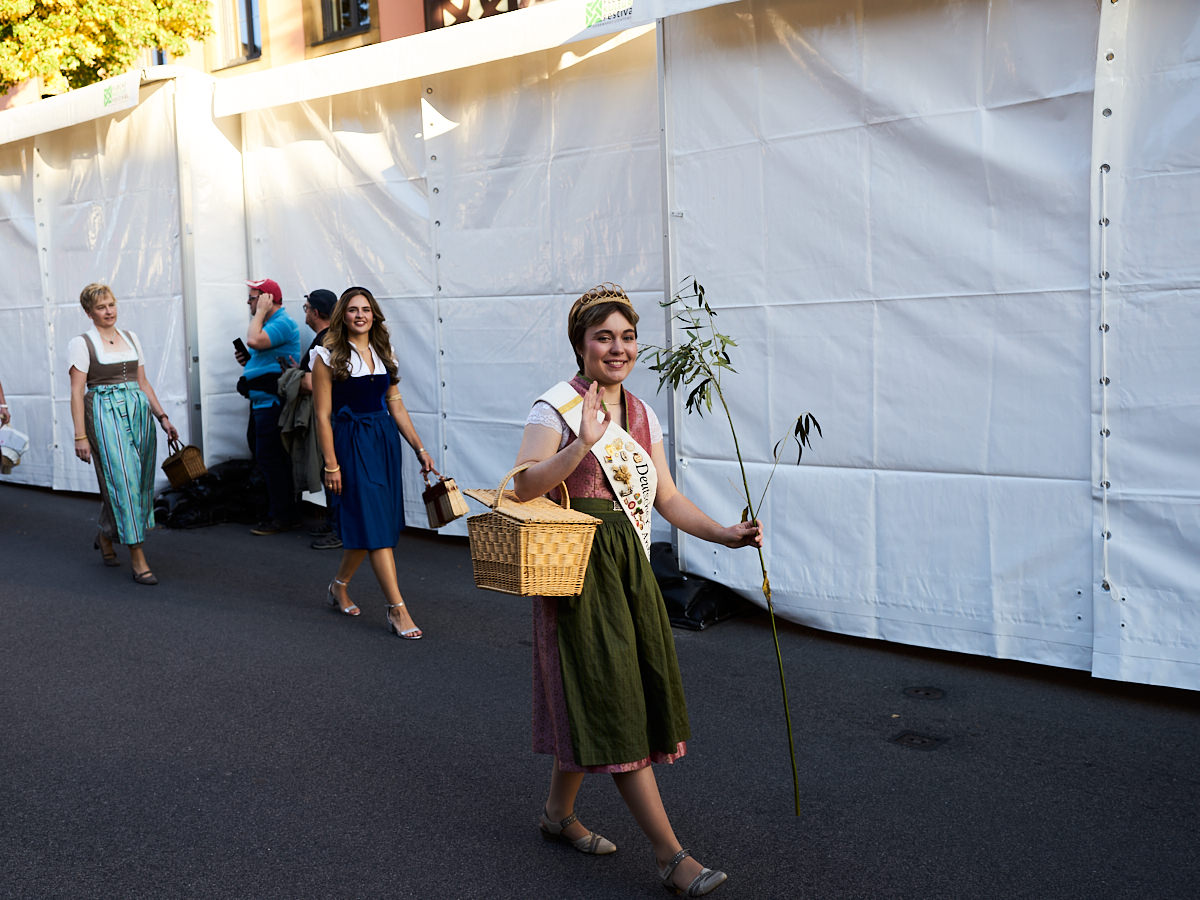
Following them was the figure known as the “Basket Queen,” a symbolic face of the festival who serves as its goodwill ambassador.
The lidded basket she was holding was also very beautiful.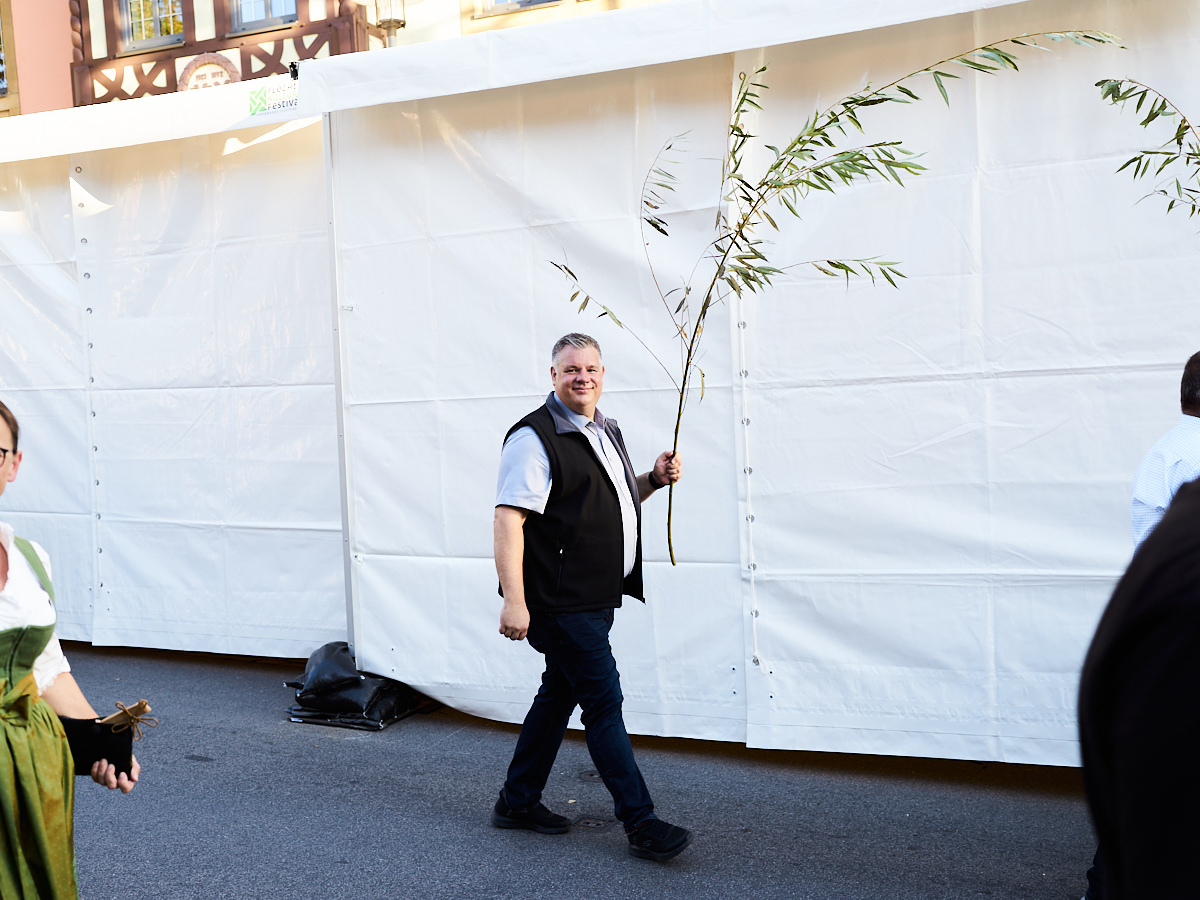
The participants in the parade were all walking with willow in their hands—the very material used for basket making. It clearly conveyed that this is a place where this material has long been cherished. 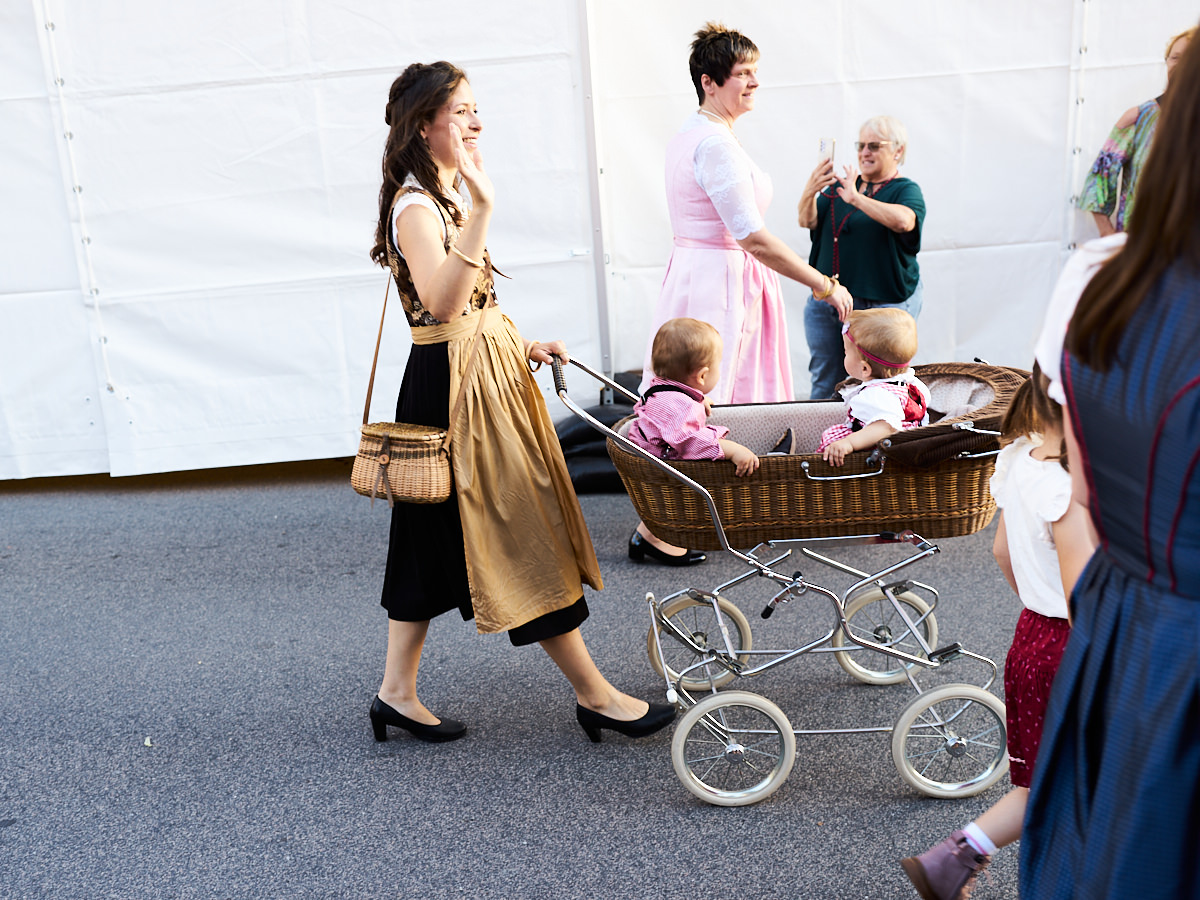
There were also children riding in prams woven from willow, as well as women dressed in traditional clothing from this region. 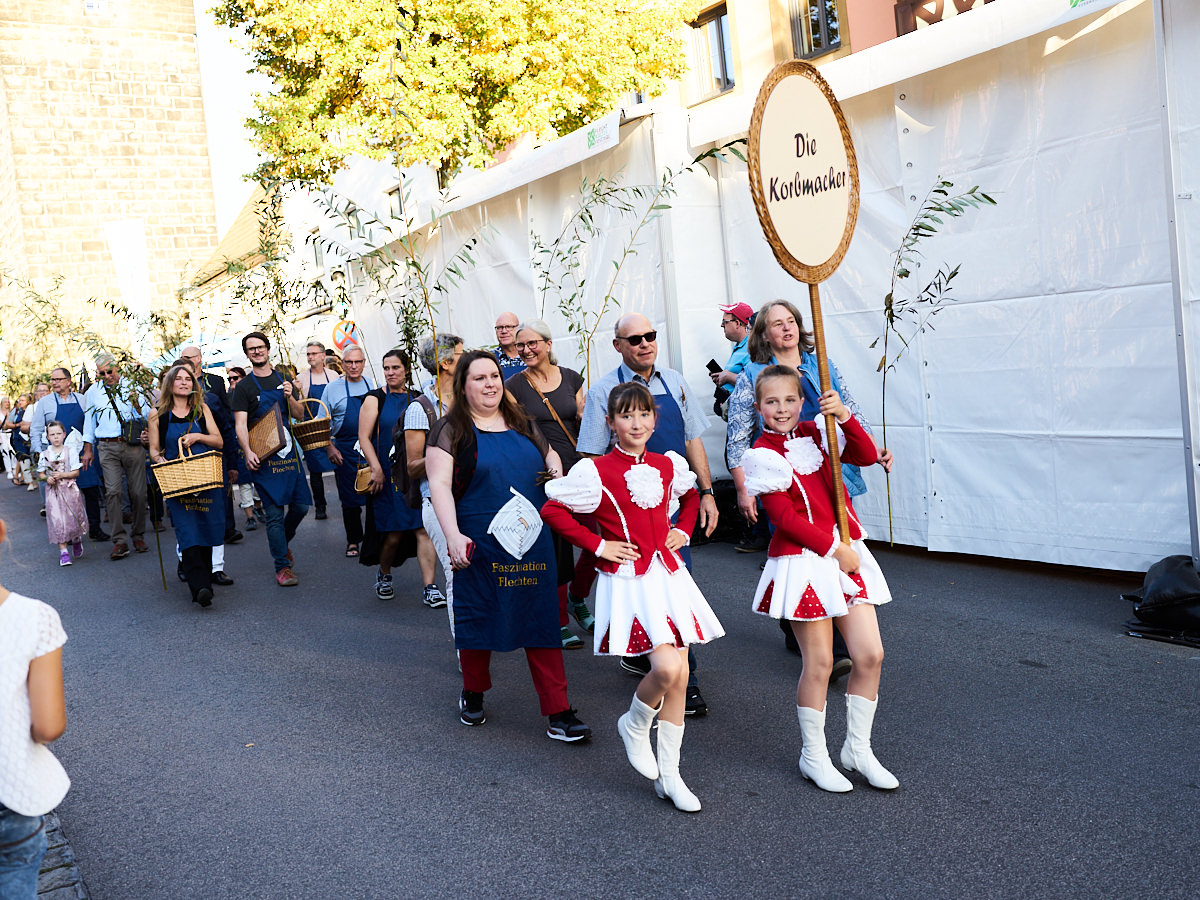
And then came the moment everyone had been waiting for.
Behind a sign reading “The Basket Makers,” the craftspeople taking part in the festival appeared one after another.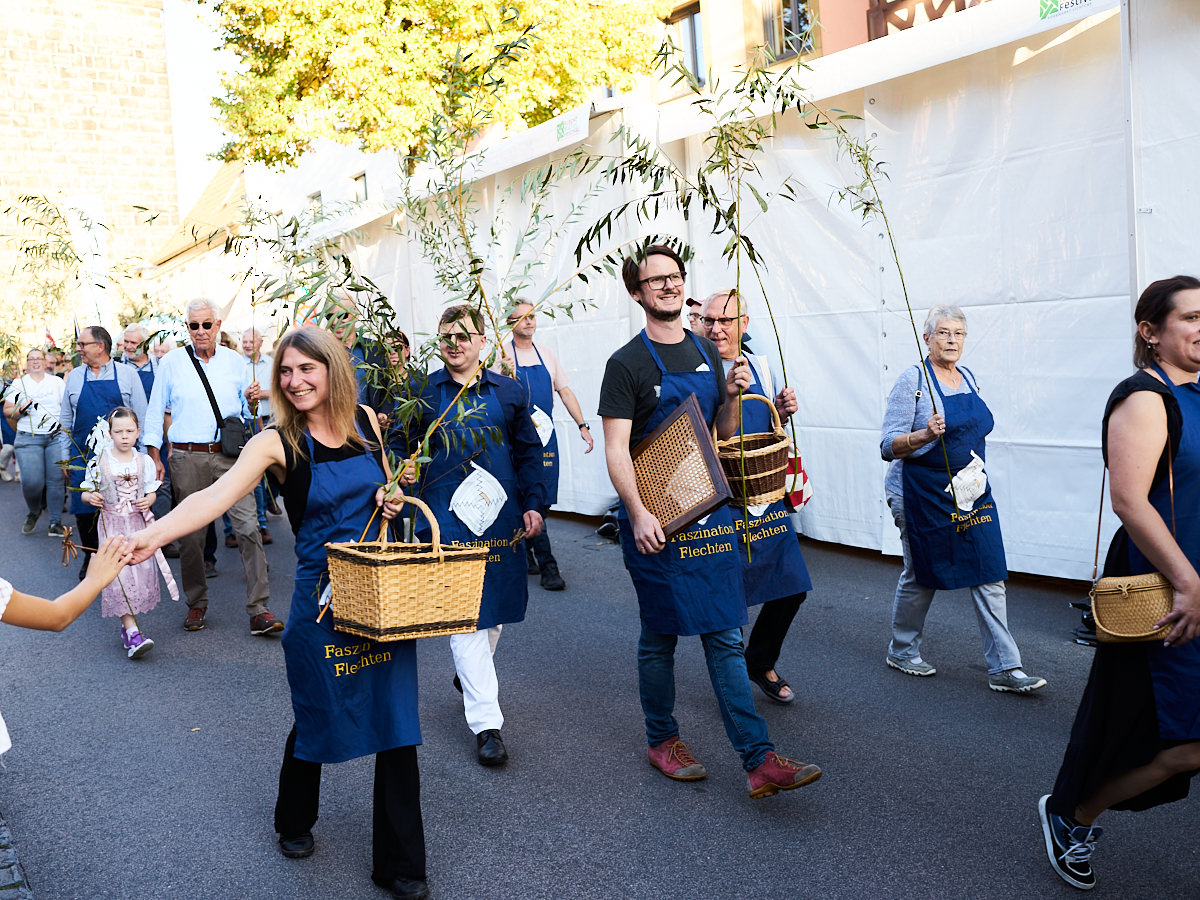
Each of them carried their own baskets, walking at an unhurried pace while occasionally exchanging a few words with the people around them. 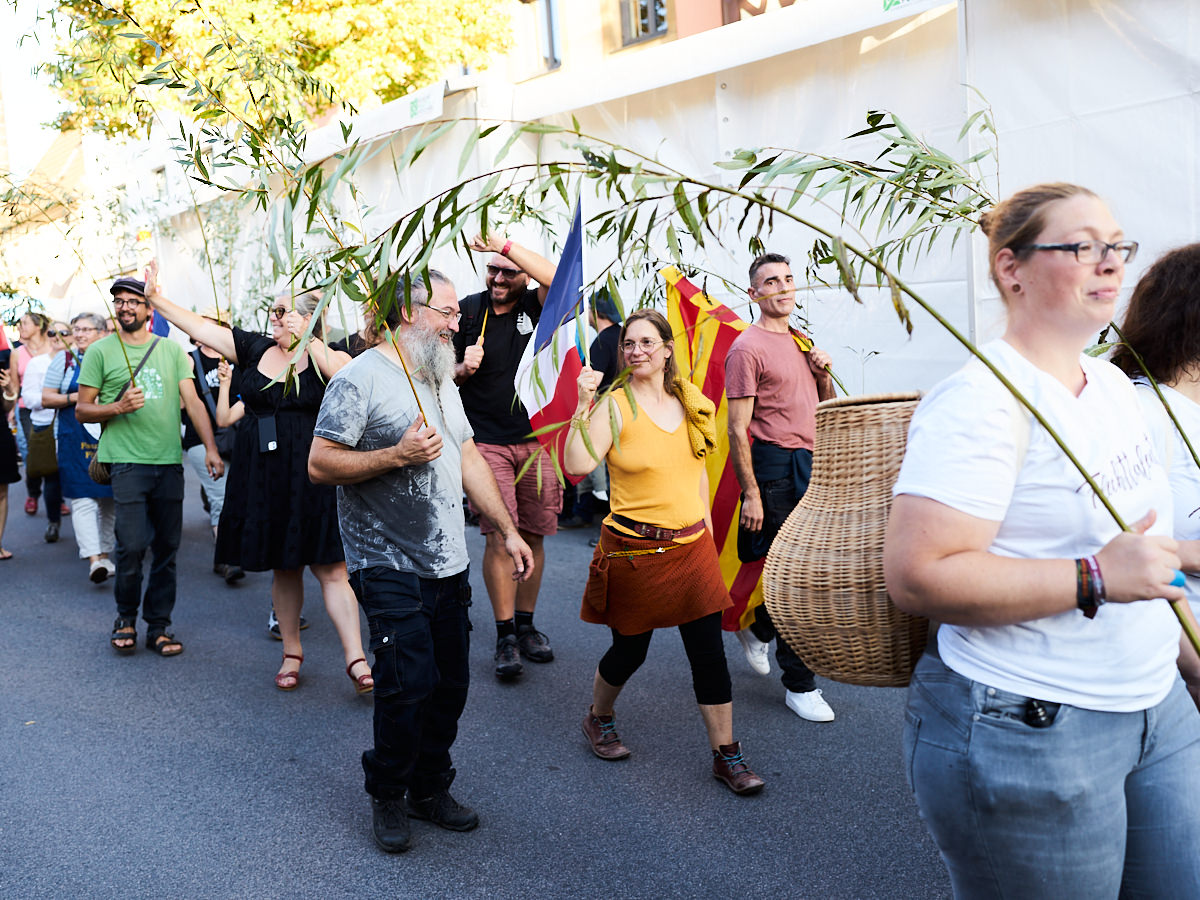
These two are Karen and Corentin, the couple whom I also met at Hansgert’s place in Dalhausen. 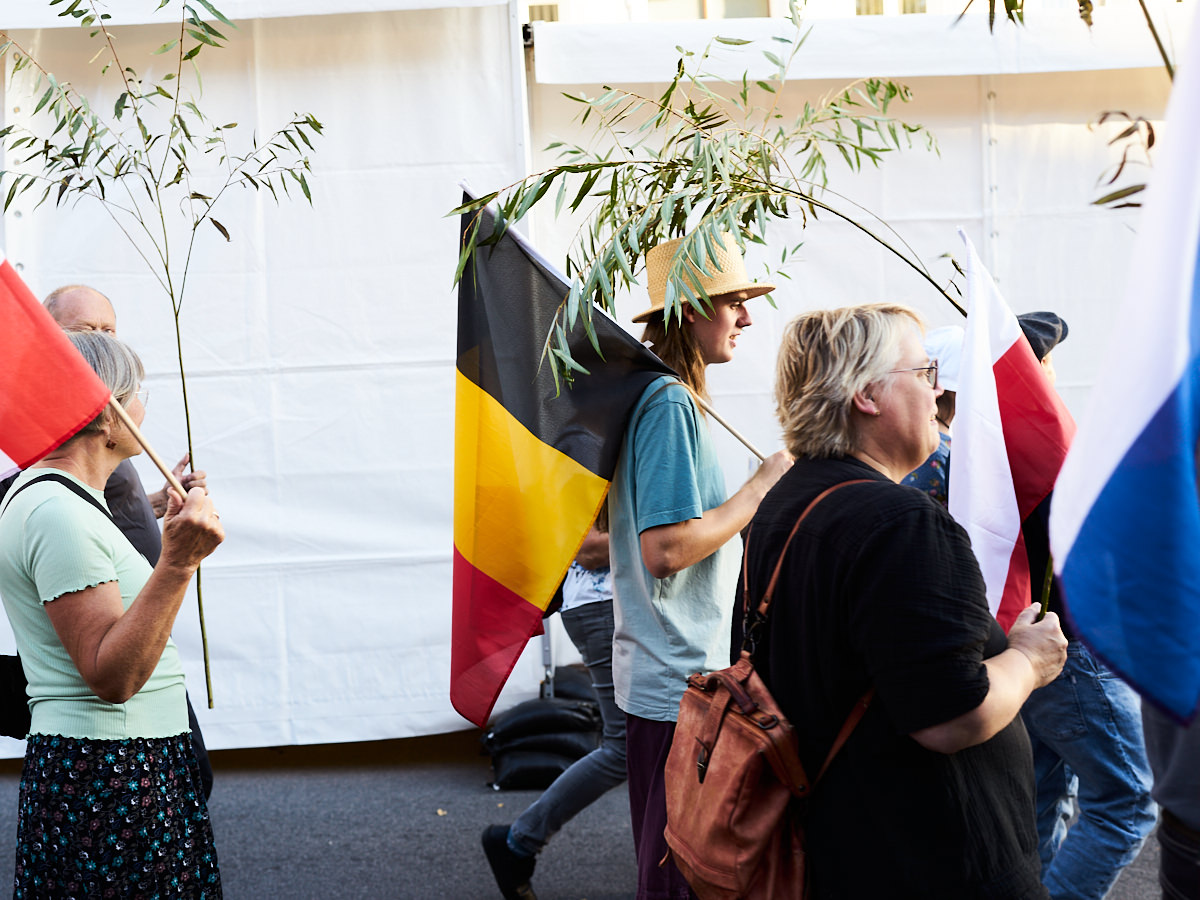
And there was also Jefke from Belgium, along with the woman wearing glasses in the foreground—his teacher, Esmé Hofman from the Netherlands. 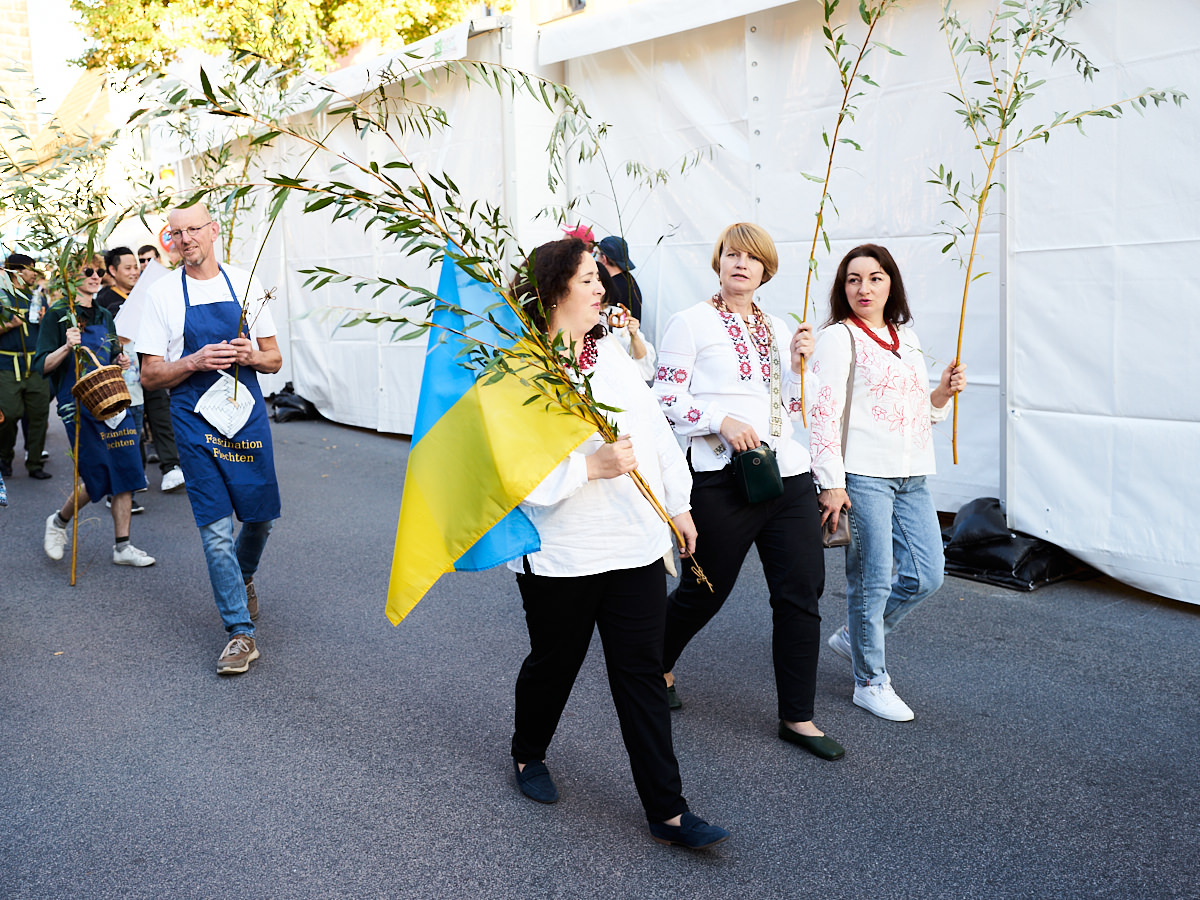
Members from Ukraine were there as well, whom I had met at the basket weaving competition in Poland. 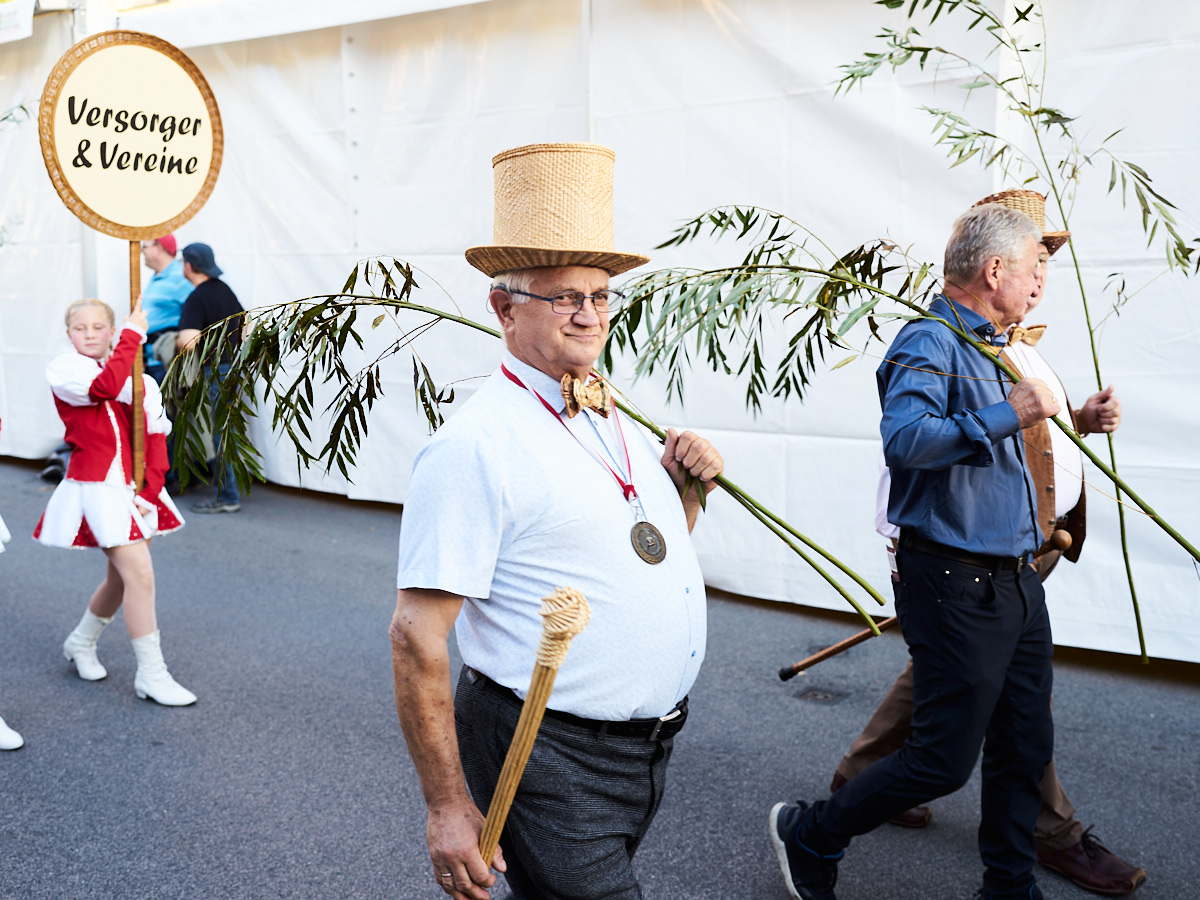
Ah! Mr. Pawlak! He is the organizer of the World Wicker and Weaving Festival in Poland. 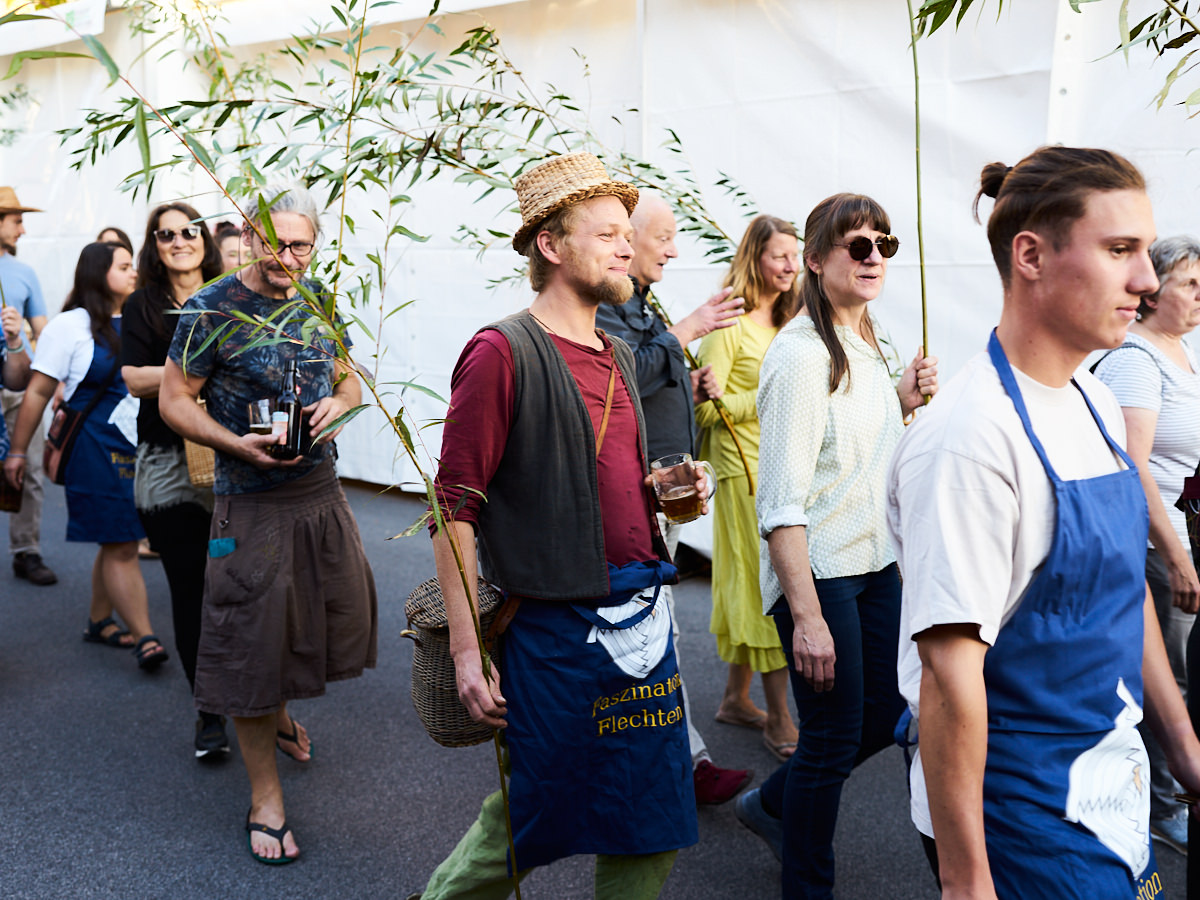
Some people walked along at an easy pace with a beer in hand instead of a basket, 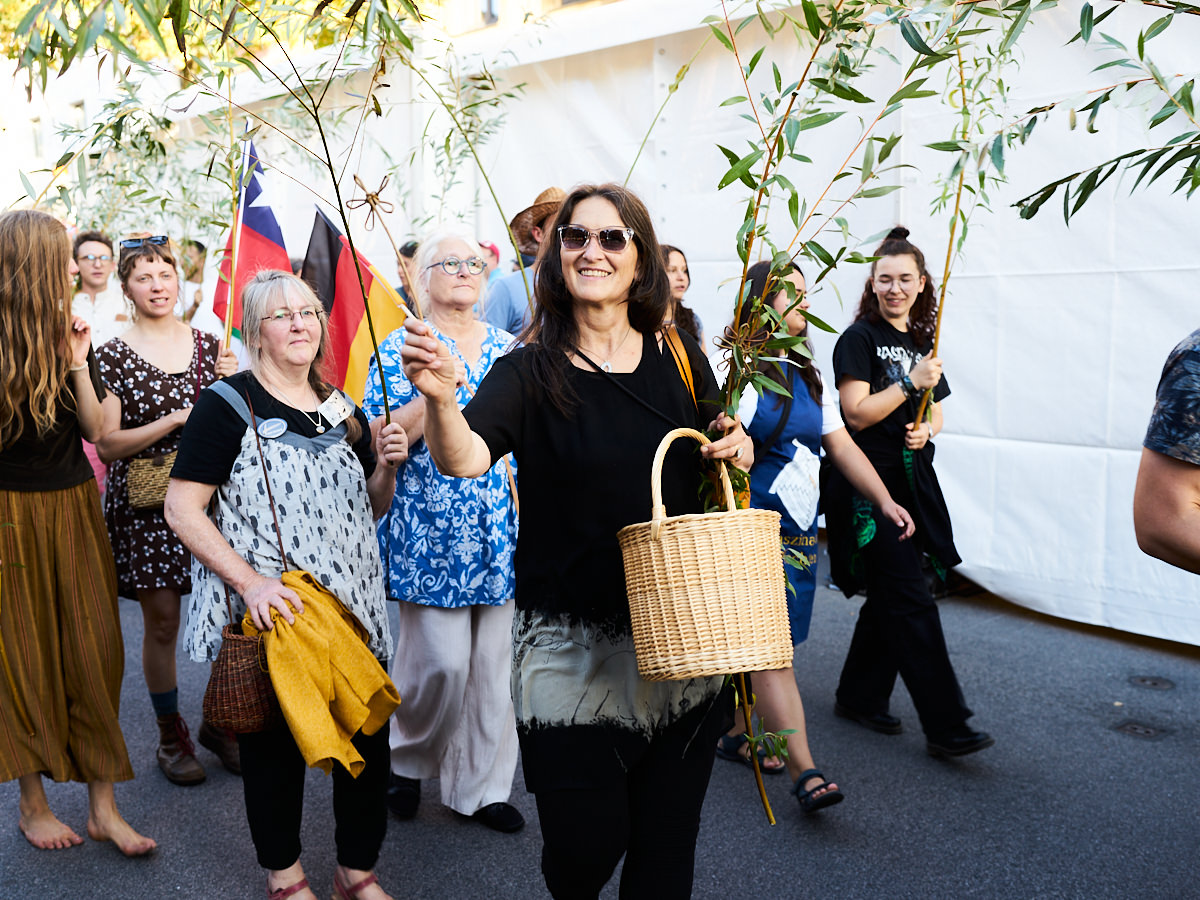
and others could be seen handing small willow-woven items to the spectators watching the parade along the street. 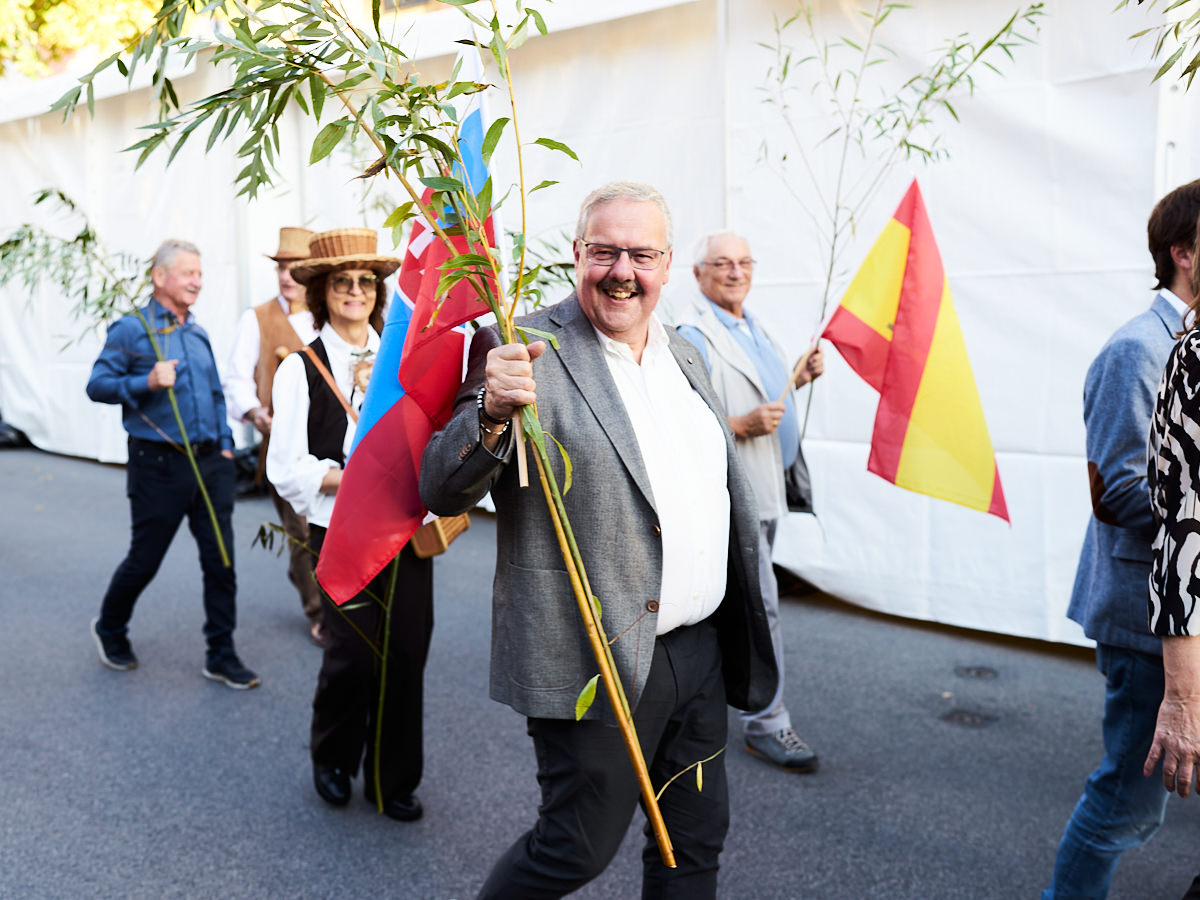
And here is Manfred, the main organizer of this festival in Germany. We first met at the basket weaving competition in Poland in 2023, where we had many conversations together. His invitation was also one of the major reasons that led me to come to Germany this time. 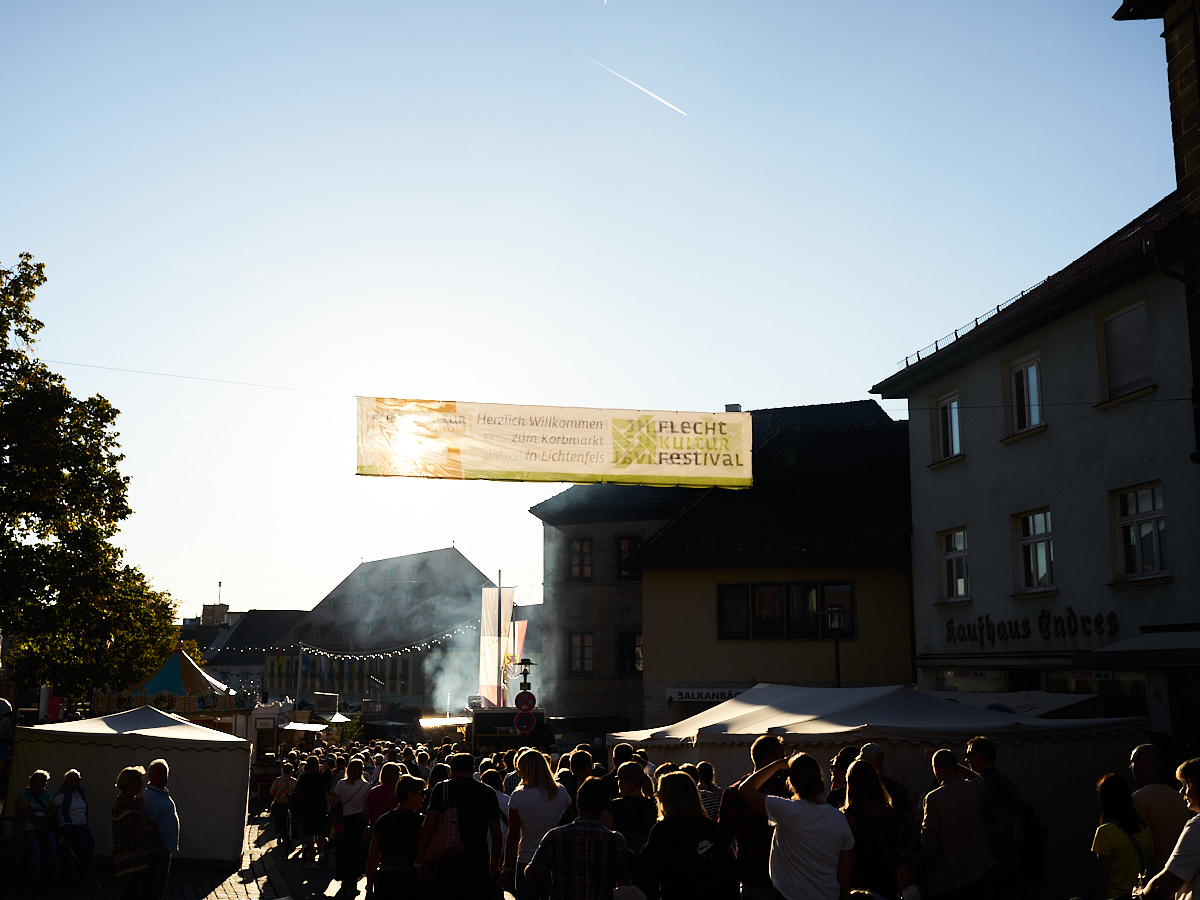
The parade slowly made its way down the slope from the clock tower, heading toward the square where the main stage was set up.
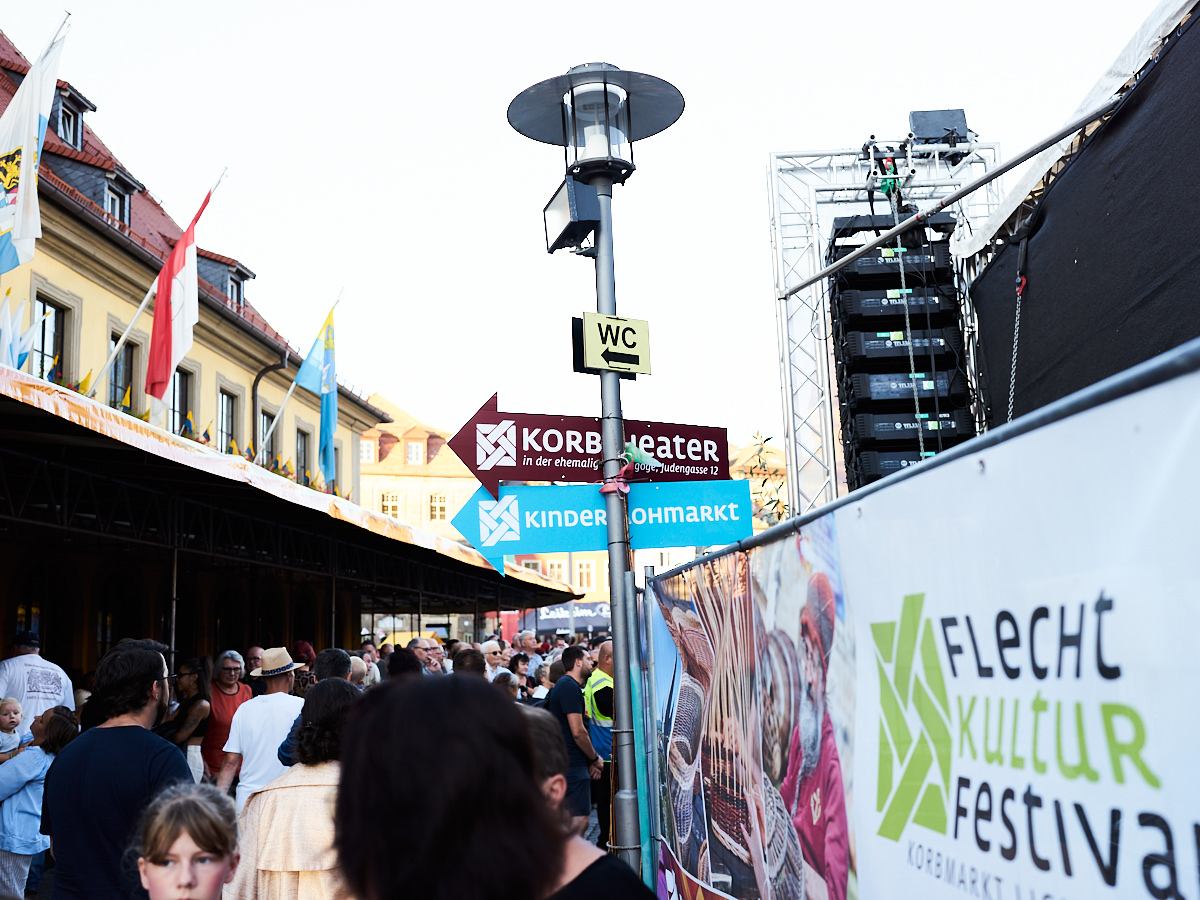
Well then, I followed the parade and made my way back down to the square where the main stage was set up.
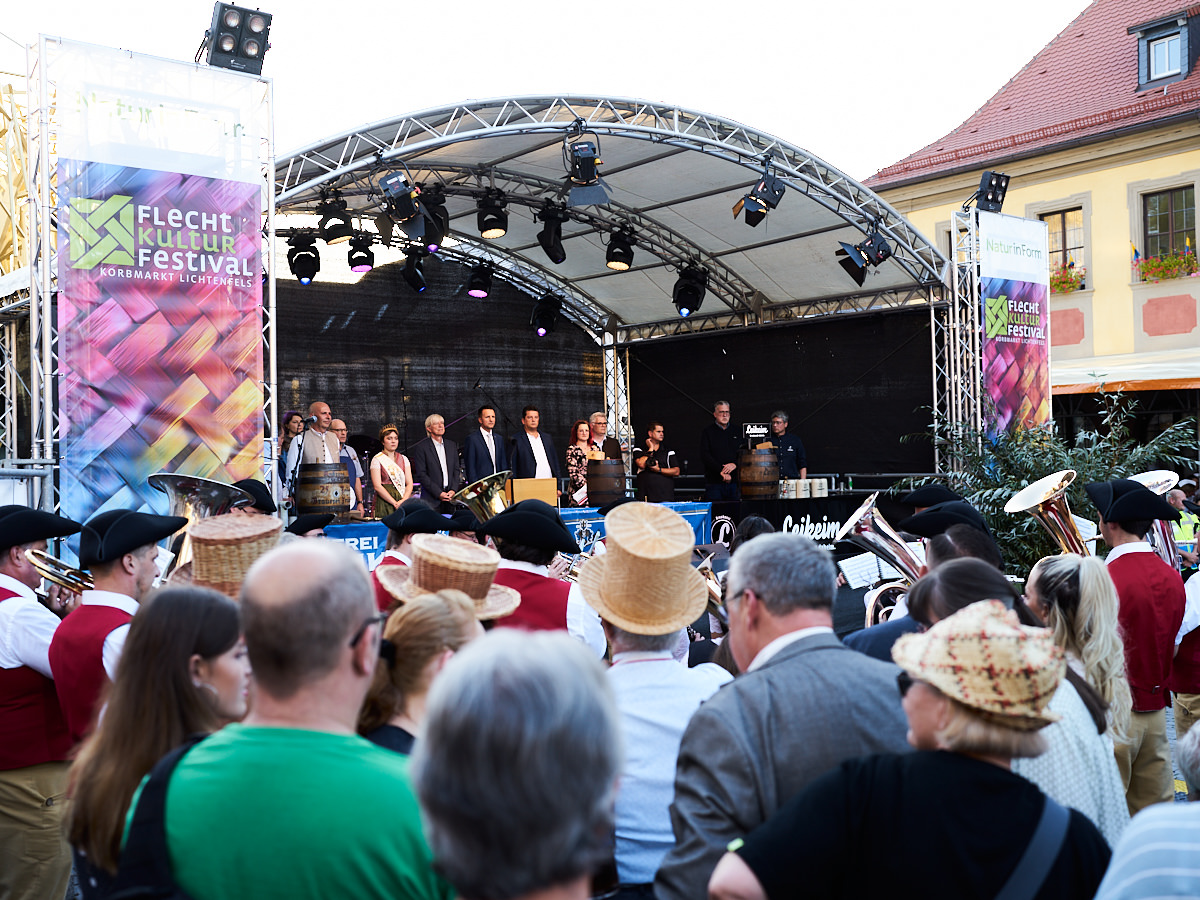
Just then, the opening ceremony had begun on the main stage.
Following the mayor’s greeting, speeches were given by the members of the organizing committee and the Basket Queen.
Before I knew it, the long tables and benches were almost completely filled with people. 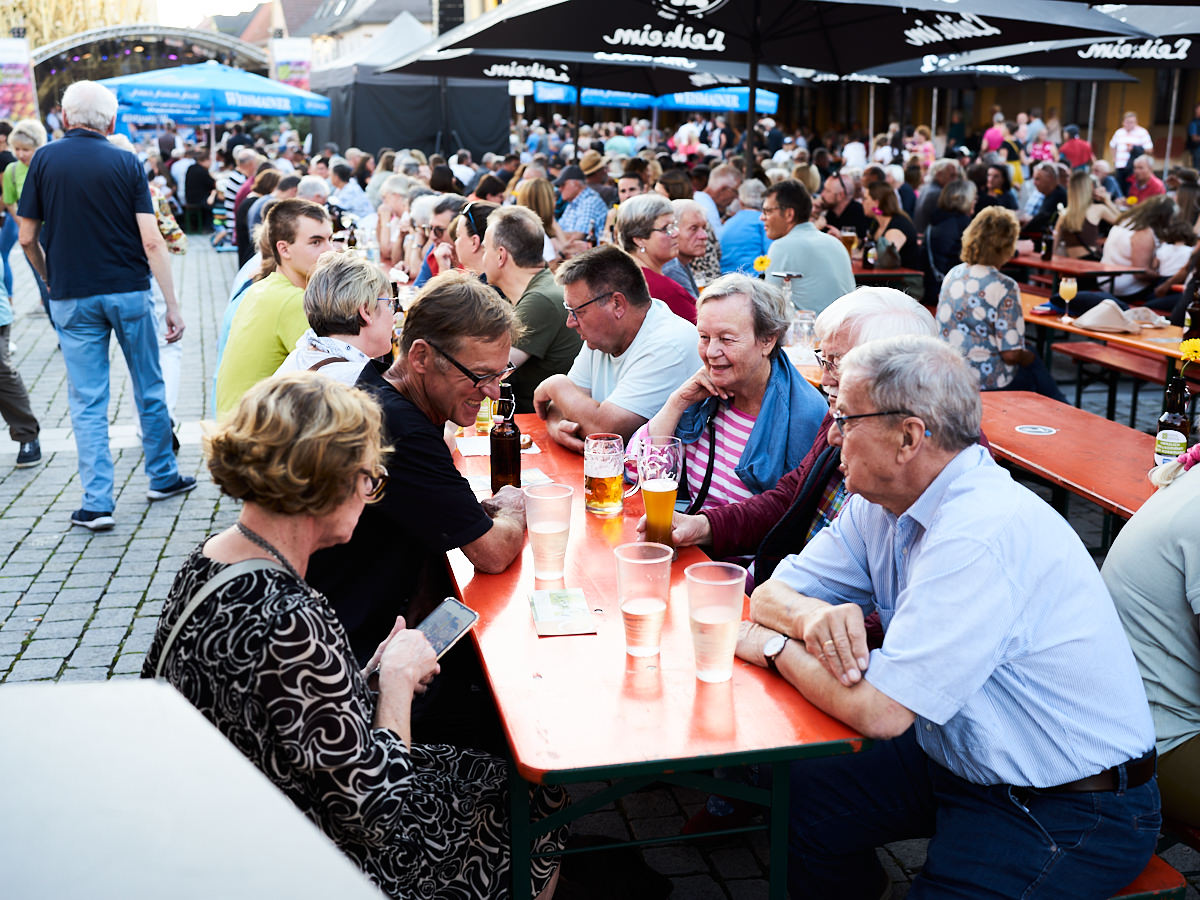
Once the opening ceremony ended, people returned to their beer and the festivities began again. From the main stage, lively, danceable music began to fill the square. 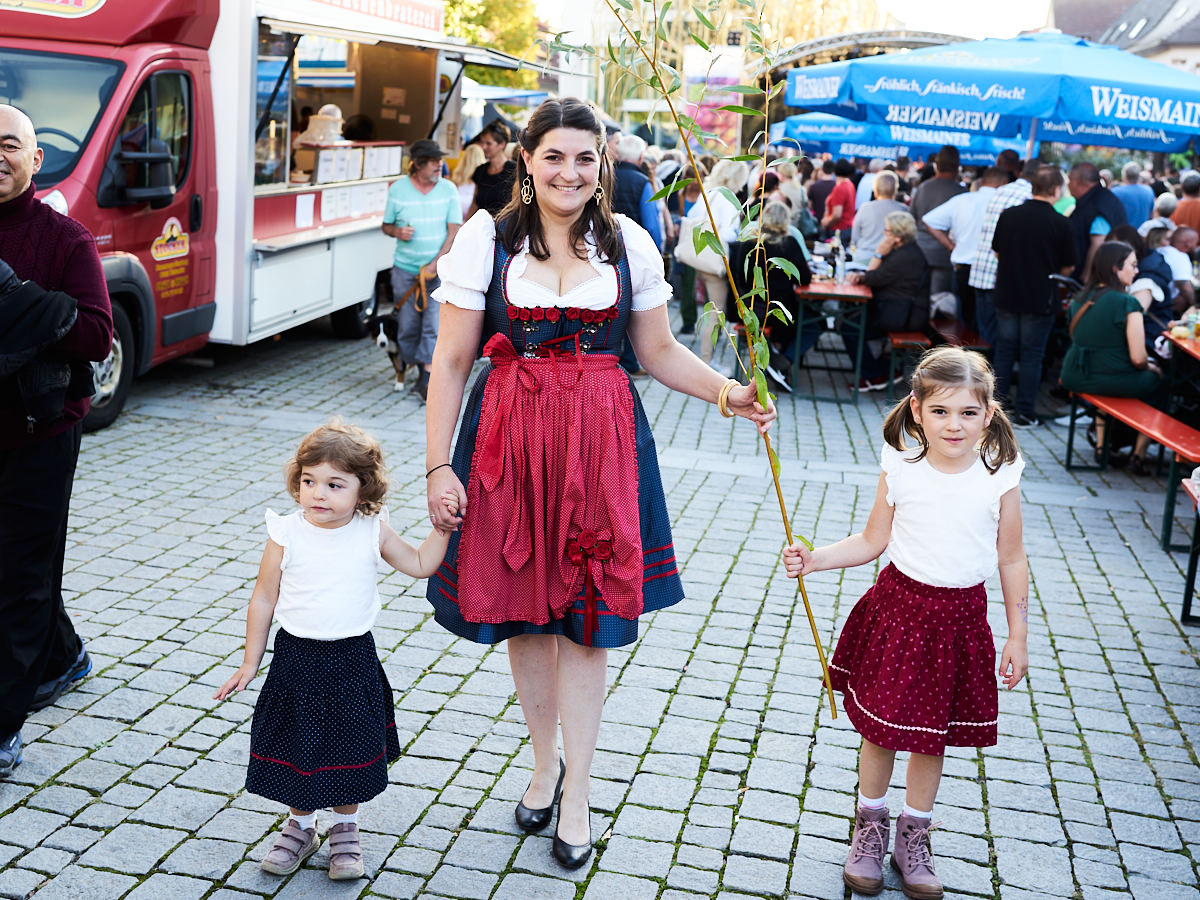
You could also see someone who had taken part in the parade and the opening ceremony relaxing in the square. Her traditional costume was beautiful. 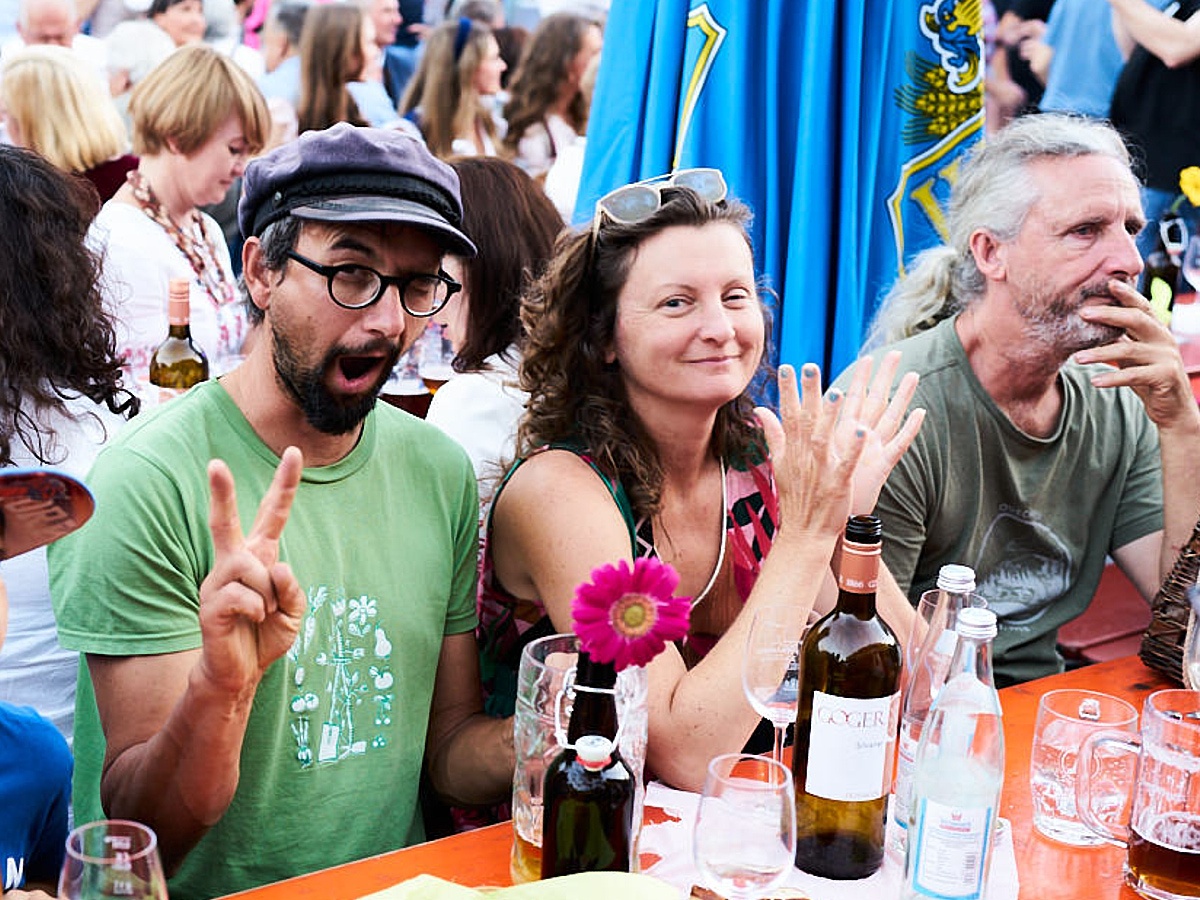
As I looked around the square, which had grown increasingly lively… Ah—there he was! Benjamin.
He had come with his family. Since the basket weaving festival in Poland in 2023, we had begun carrying his baskets and had continued corresponding by email, but this was the first time we had met in two years. I was so happy to see him again—and glad to see that he was doing well. After this festival, I also had the chance to visit Benjamin’s workshop and his home. I will share that story in a future journal.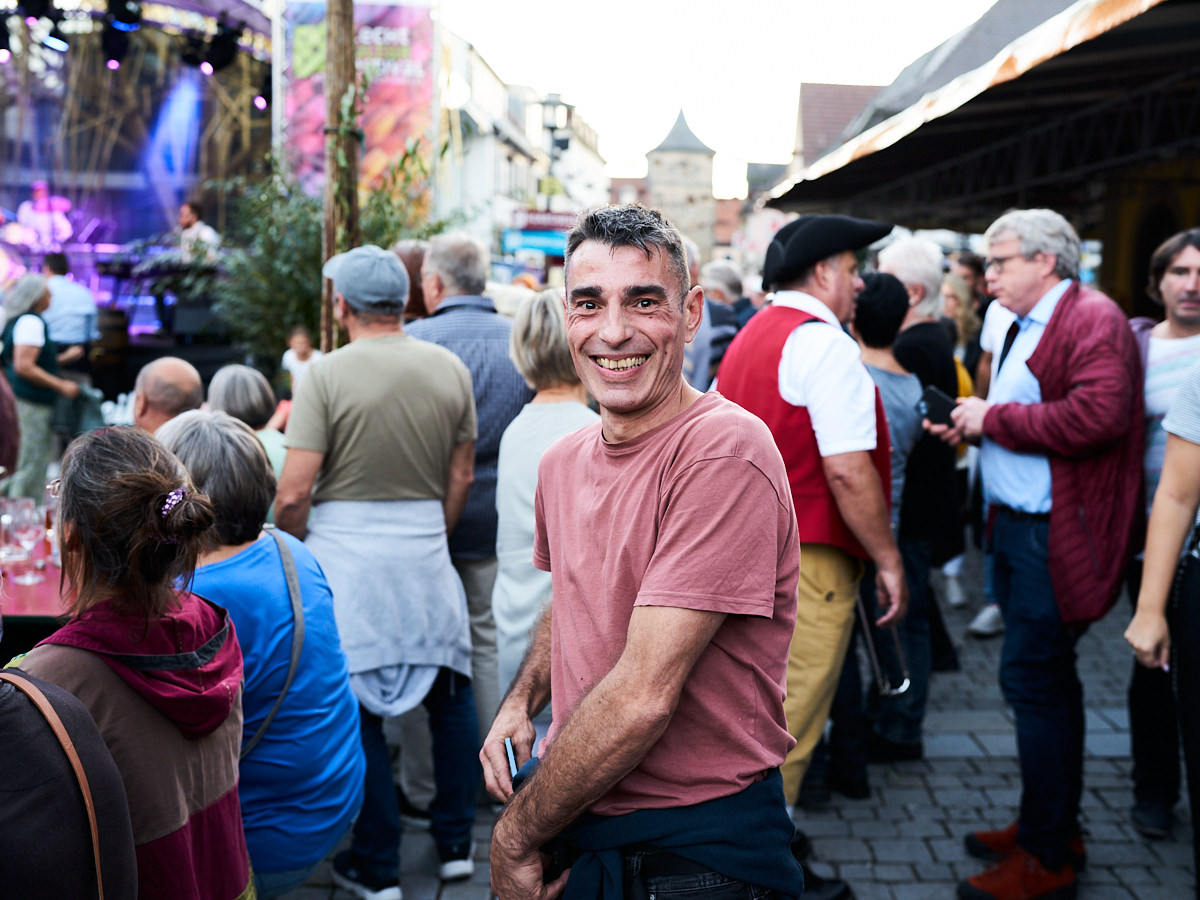
And there was one more person I had been hoping to meet—this is Pau from Spain. He makes traditional baskets from the Catalonia region. We had been in touch beforehand and had promised, “Let’s meet at the festival!” I had once spent about two years in Paraguay in South America, so when I tried speaking to him in my very limited Spanish, he was delighted. We quickly became amigos (friends). I’m glad I studied Spanish! 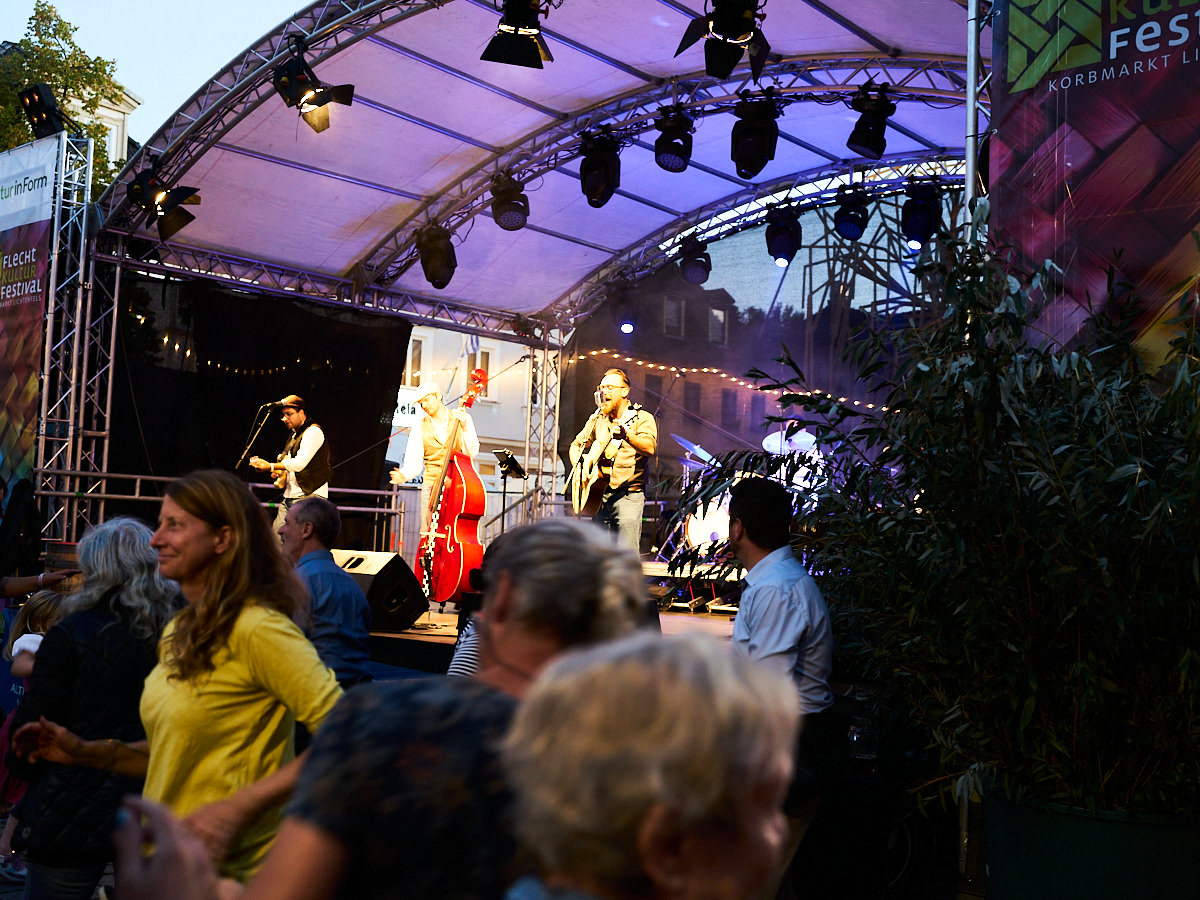
From the main stage, lively live music continued to play without pause. 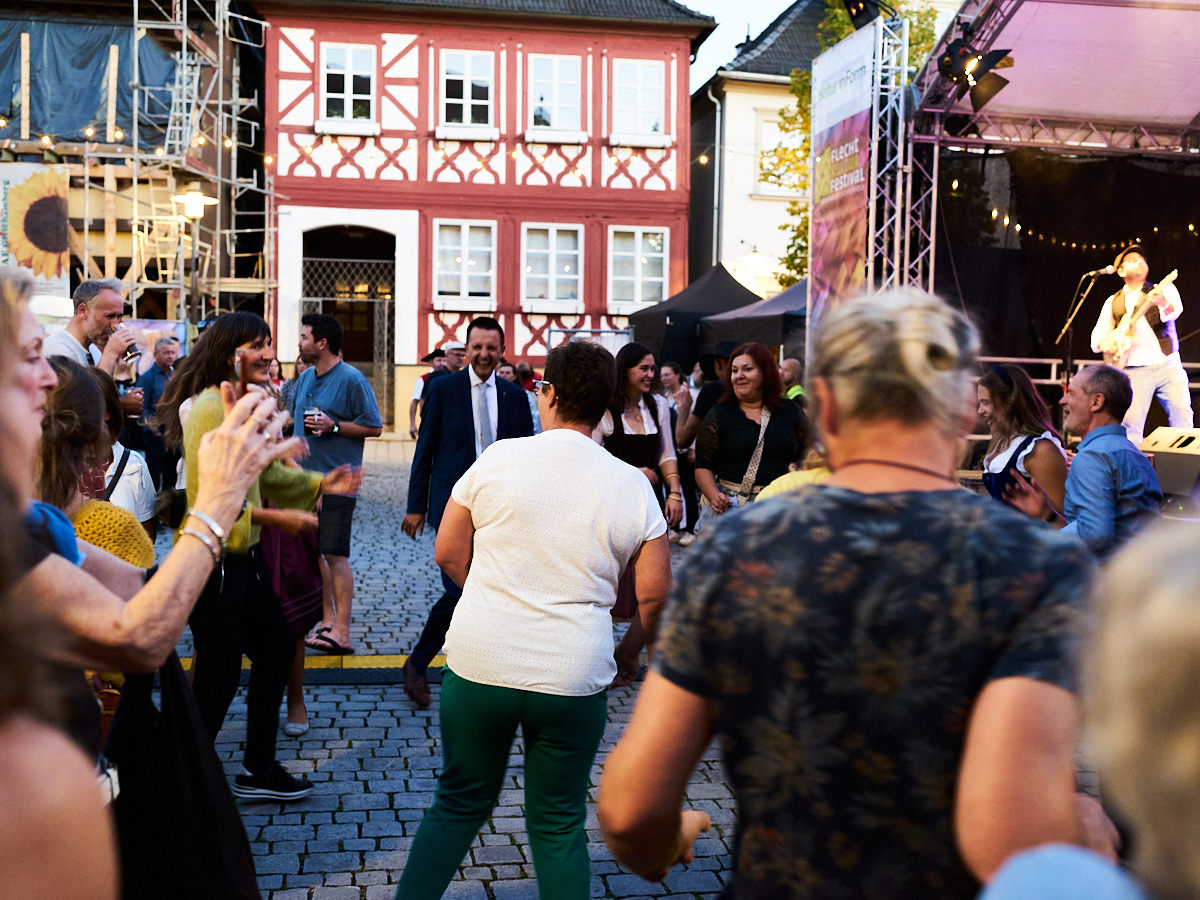
In front of the stage, the mayor, the Basket Queen, and other festival participants were dancing happily to the music. 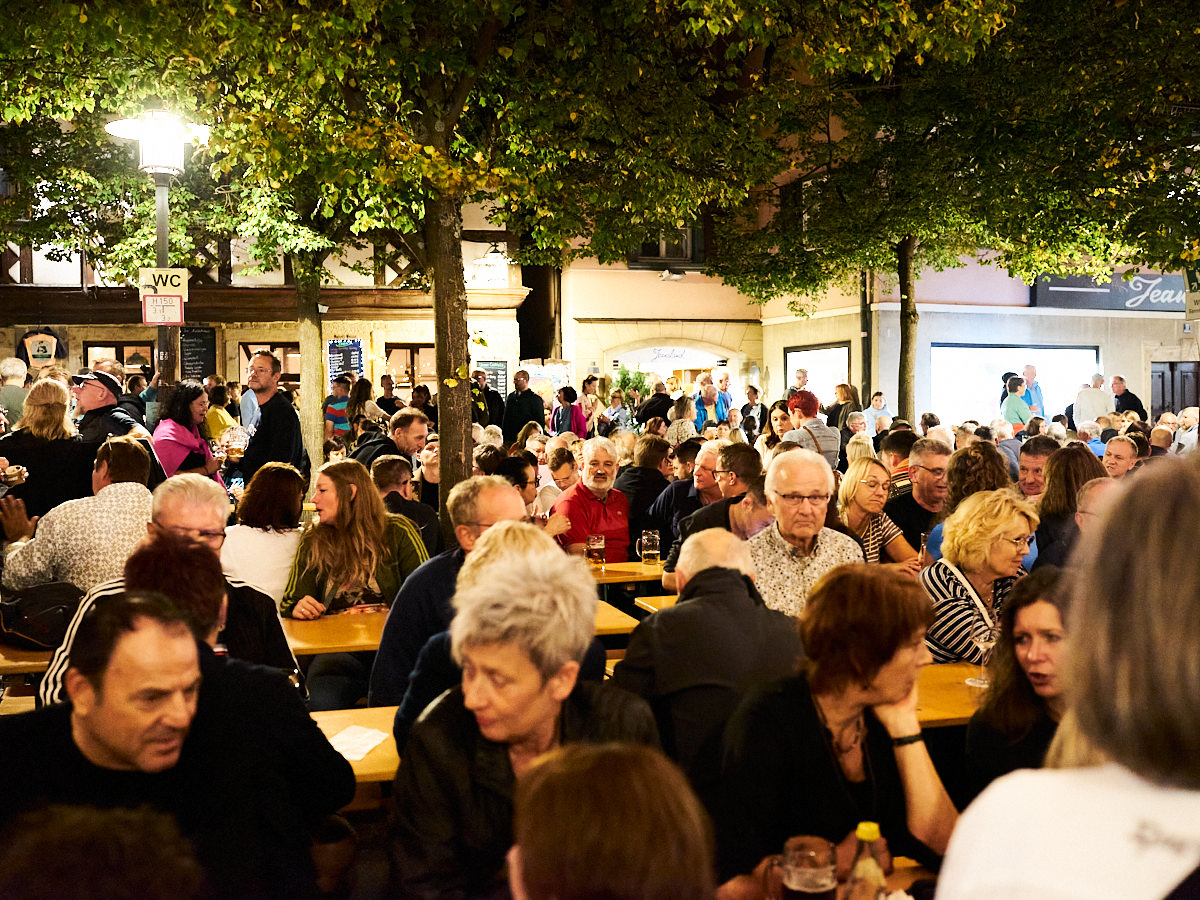
Everyone here seemed to be enjoying the festival at a relaxed pace, taking their time and savoring the moment. I imagine that many people come here every year, looking forward to this special day. 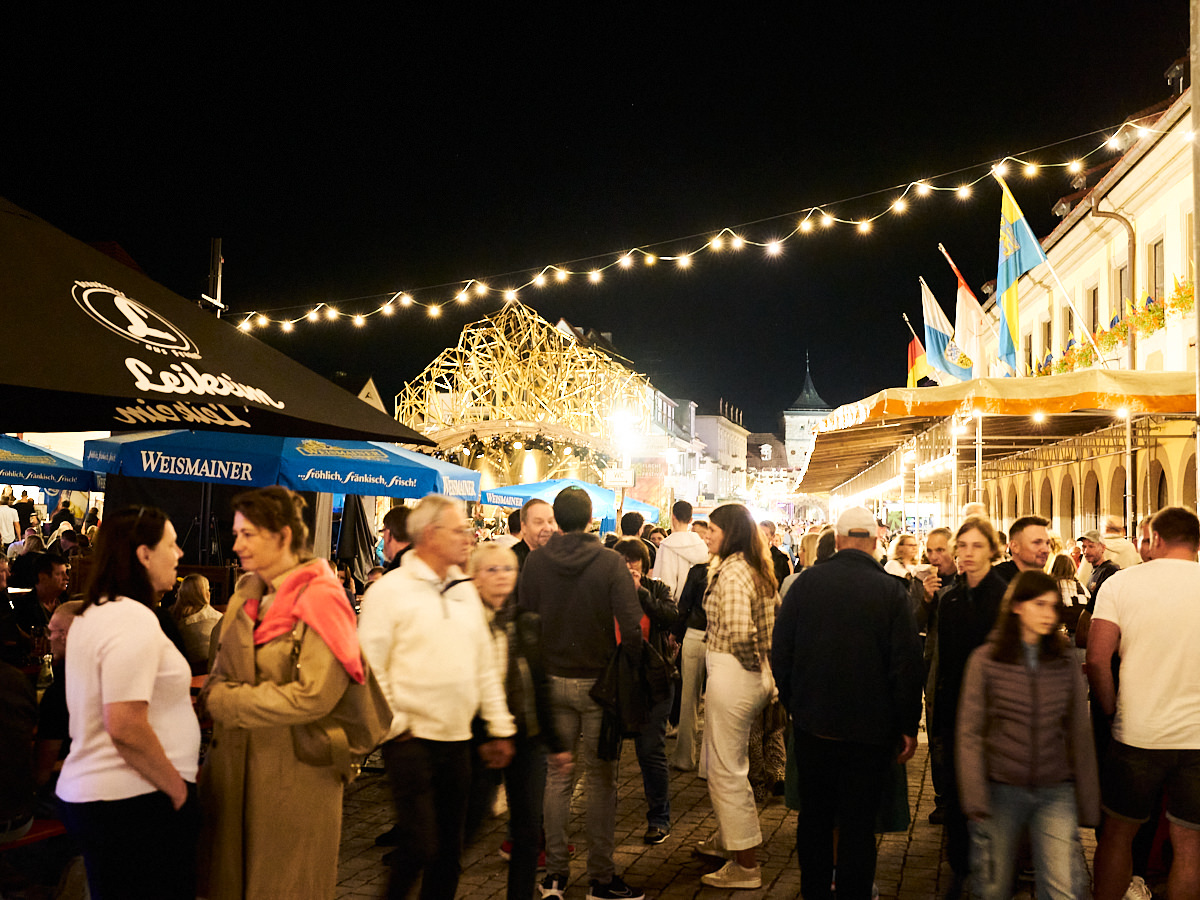
After the sun had set, the buildings and people illuminated by the lights appeared beautifully against the evening sky, creating a scene I could have watched forever.
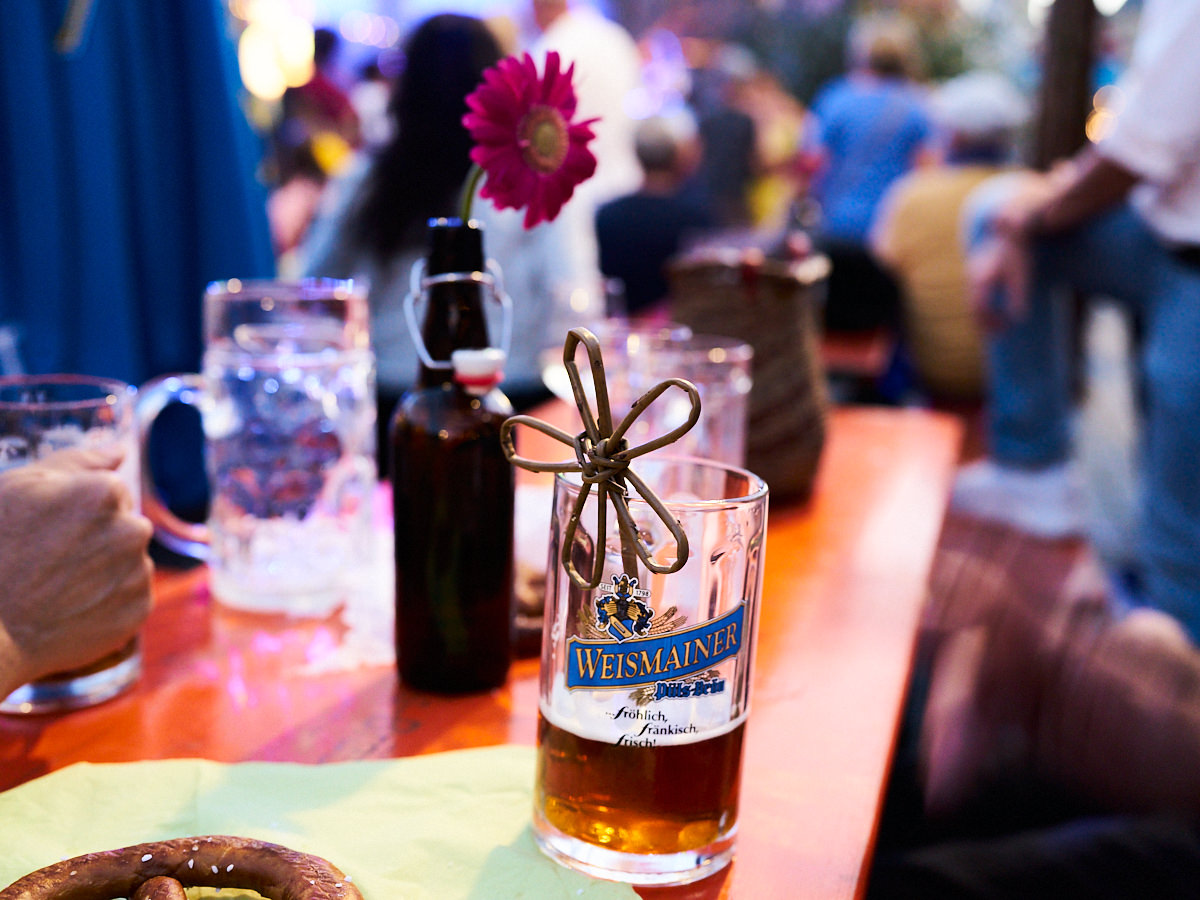
Please enjoy this short video showing the basket festival parade,
the opening ceremony, and scenes from the pre-festival celebration.
[Music plays]
Tomorrow will finally be the first day of the festival.
The lively celebration will likely continue late into the night,
but I decided to head back to my hotel a little early and prepare for the day ahead.
To be continued.
___________________________________________
“The One Table” Special Exhibition
European Baskets We Discovered in Germany
2026
February 19 (Thu), 20 (Fri), 21 (Sat), 22 (Sun), 23 (Mon, Holiday)
26 (Thu), 27 (Fri), 28 (Sat)
March 5 (Thu), 6 (Fri), 7 (Sat)
Open | 11:00–16:00
In-store | 1basketry, Minami-Senju, Tokyo
