Shimekazari 2025–26|Sales Have Begunしめかざり 2025-26|販売を開始いたしました

Hello.
On Thursday, November 13, we began the regular sales for “Shimekazari 2025–26.”
They are now available on our official online shop, on our Rakuten store, and at our physical shop.
At the physical shop, in addition to our classic designs, we also have a small selection of limited shimekazari pieces.
We warmly invite you to take a look.
We are currently preparing and shipping the orders placed by customers who reserved their shimekazari in October.
If your order is still on its way, we kindly ask for a little more time until it reaches you.
Thank you very much for your understanding.

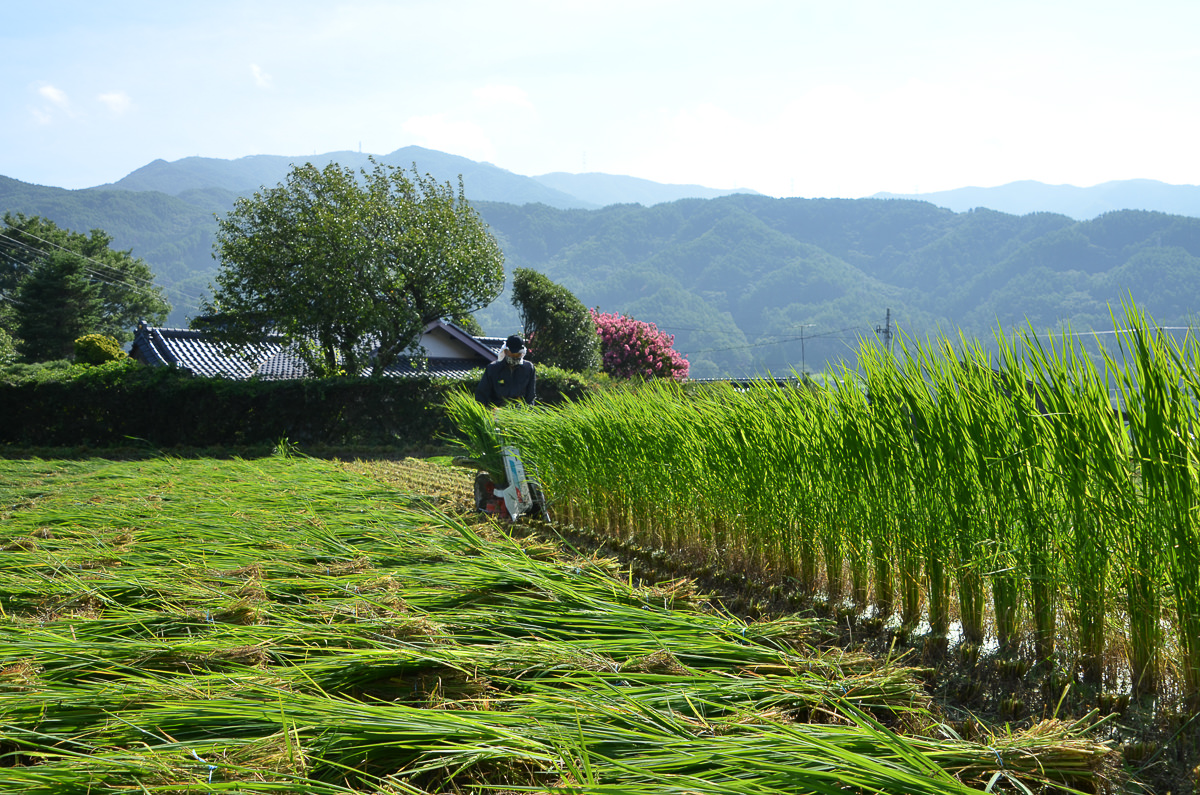
The rice straw used for shimekazari is harvested in the height of summer, before the rice plants begin to form grains. Each day, the grower watches how the stalks stretch upward, carefully timing the harvest while keeping a close eye on the weather. The goal is to wait until just before the grains would appear—yet also until the leaves have grown long and strong enough to make good straw for craftwork. Determining that perfect moment requires both experience and patience. 
And from here, the real preparations for making shimekazari begin. 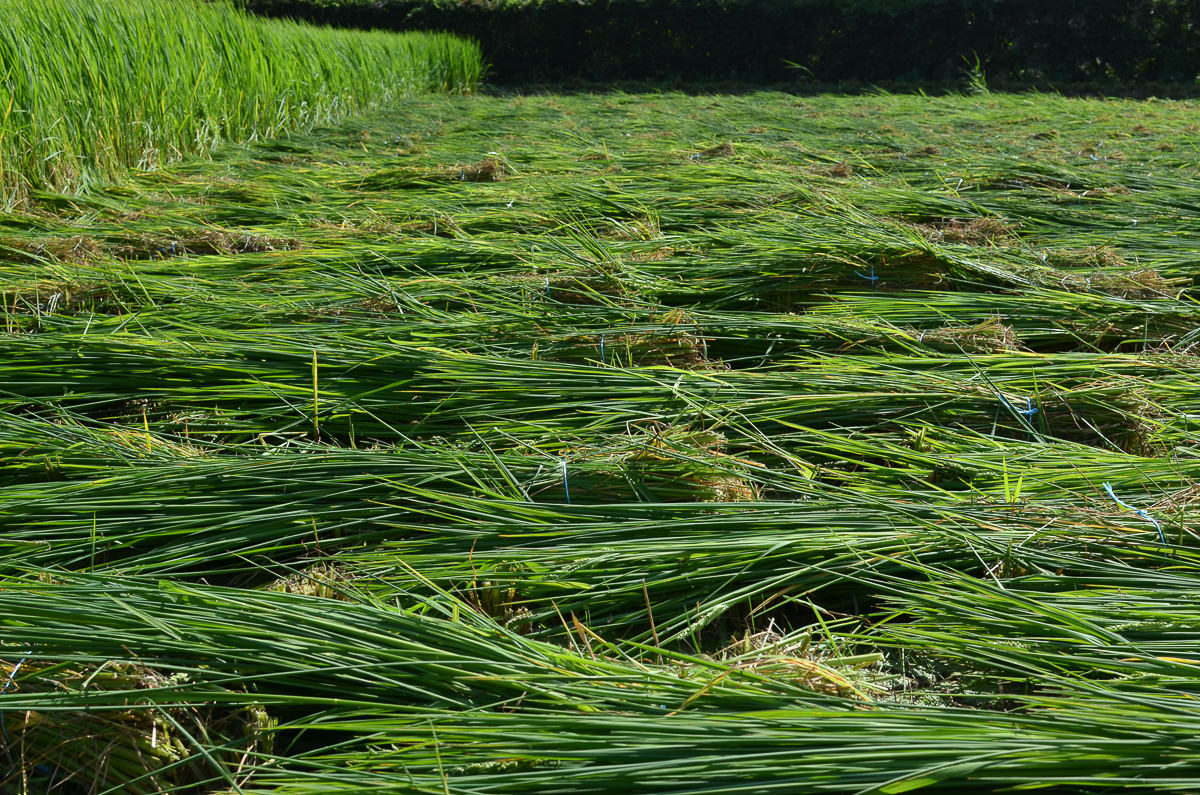
Rice straw harvested before the grains form is known as aogari or mitorazu. This straw is grown specifically for making shimekazari—cultivated with that purpose in mind from the very beginning. 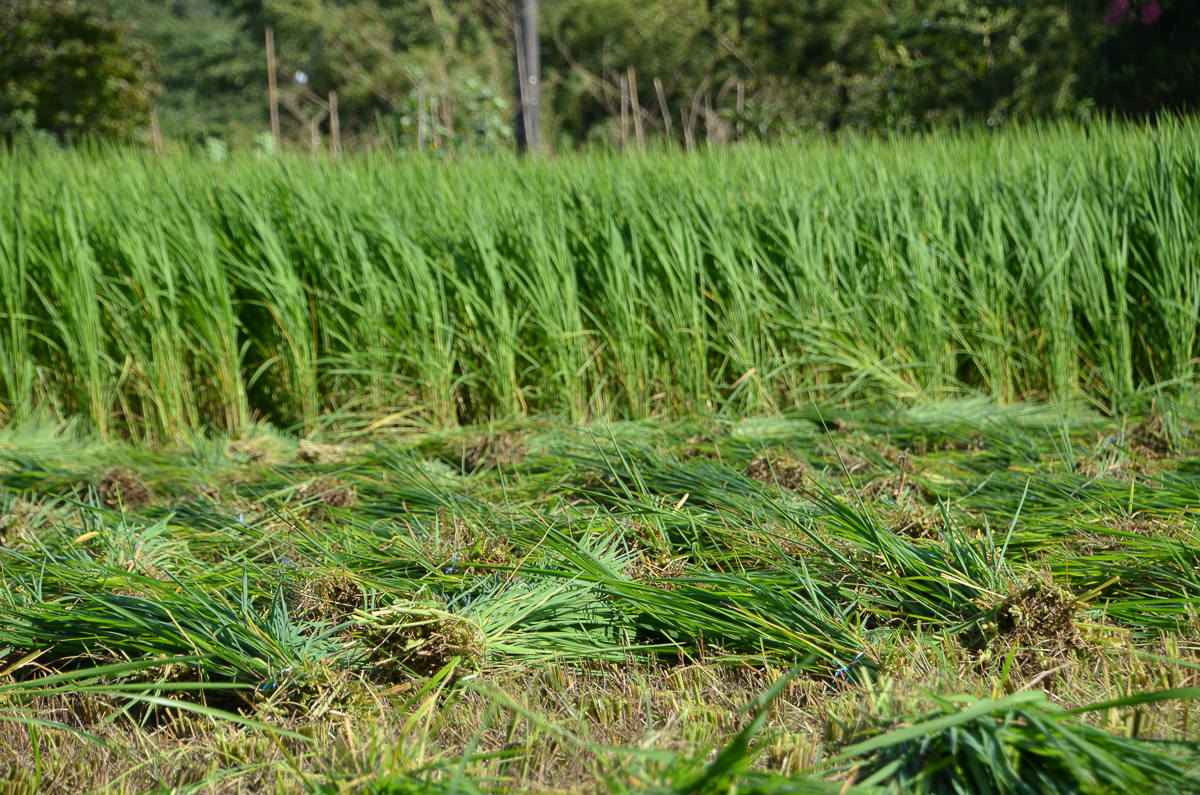
A gentle breeze descended from the Central Alps, brushing across the fields. The rice plants, waiting to be harvested, rustled softly as if enjoying the cool wind. 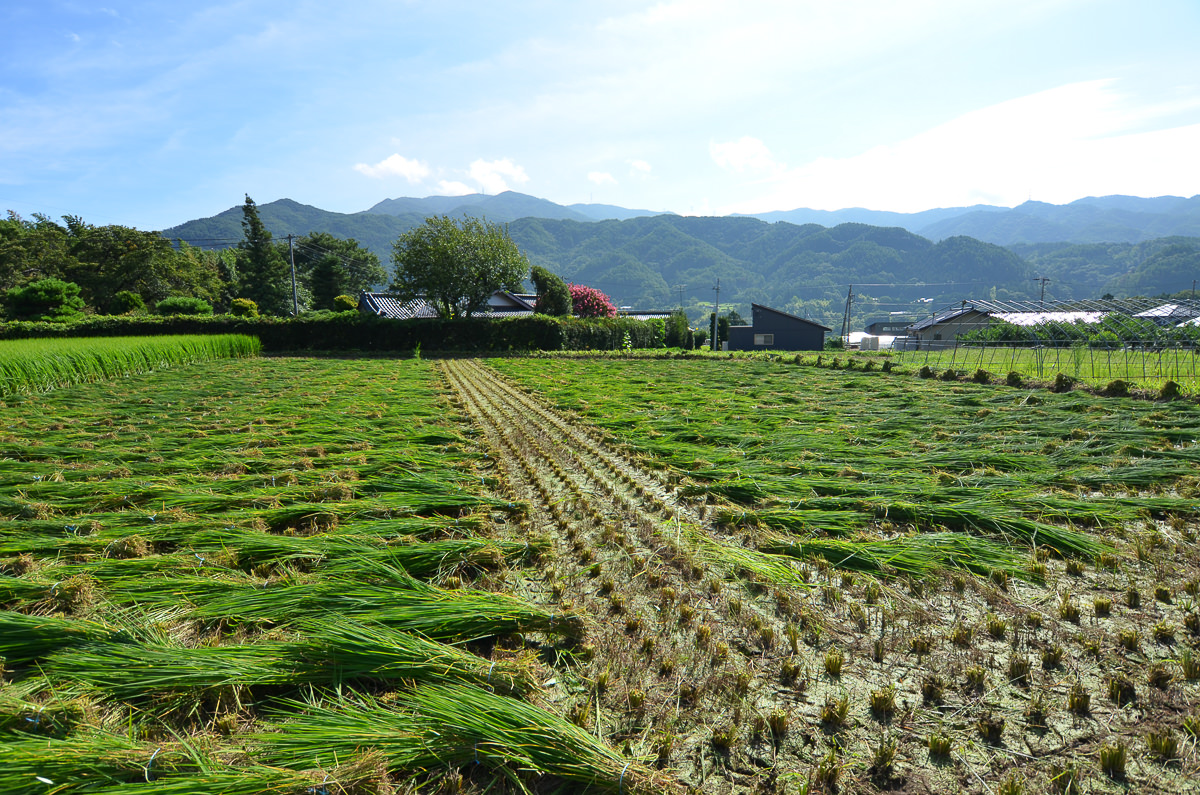
Once the cutting begins, the work seems to finish in no time at all. 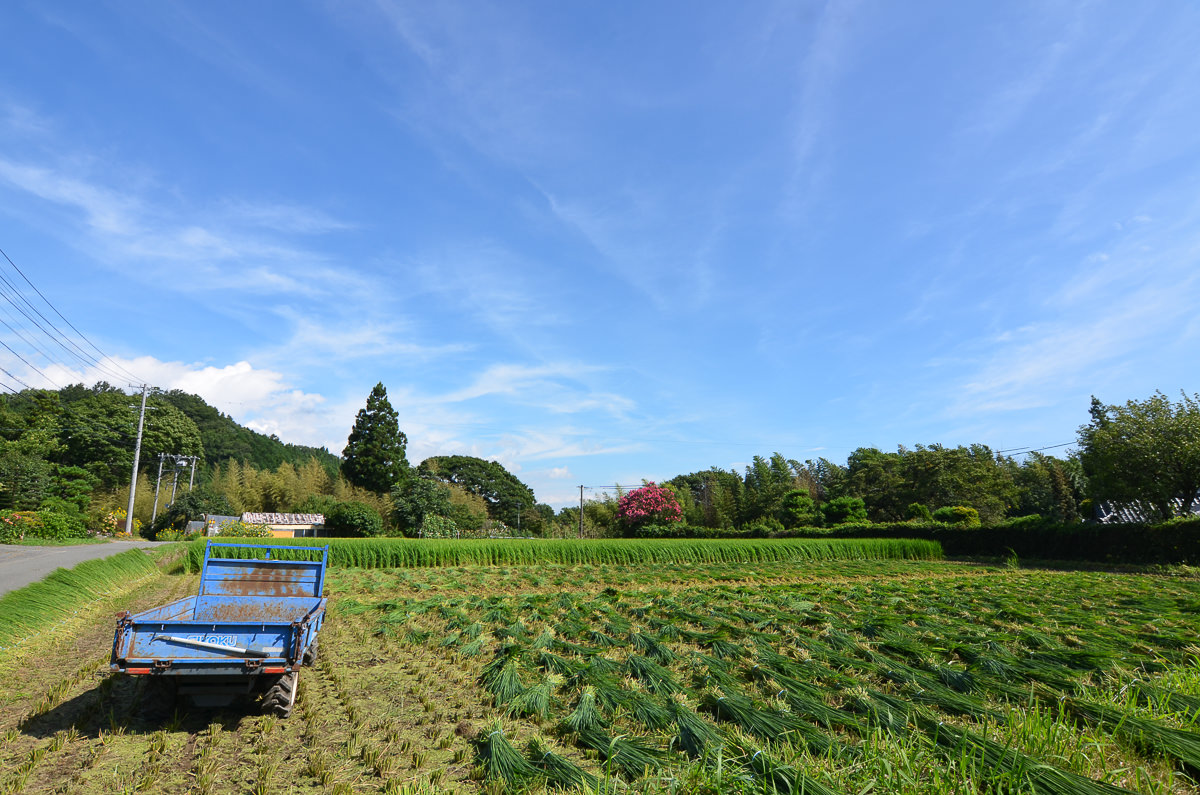
The light, rhythmic sound of the harvesting machine filled the air, and the tidy, orderly look of the field once the cutting was done was deeply memorable.

Now, let us introduce the shimekazari currently available. This piece is called “Three Beat Together.” It is crafted from a single, firm length of rope, shaped into a dignified, fan-like form that opens gracefully toward the bottom. 
This piece is called “Halo.” It is a hanging shimekazari that expresses a wish for peaceful, uneventful days free from natural disasters. 
This piece is called “Fortunate Chicken.”
It has been introduced at our shop since the early years, and it remains one of our most warmly received decorations.
This piece is called “Coiled Snake,” shaped after a serpent curled into a coil. Its upright tail gives it a poised and dignified presence, while still carrying a touch of gentle charm. 
This piece is the XS-size “Harmonious” design. The circle—maru—is a form with no beginning and no end, symbolizing eternity and the gentle cycle of renewal. Its small, graceful shape carries a quiet brightness, just as it appears in the photograph. 
This piece is called “Small Ring,” known in Japanese as wakazari. It is a type of shimekazari found throughout Japan, and unlike styles meant for very specific places—such as a gobōjime placed on a household shrine—wakazari can be displayed in many different settings. Among shimekazari, it is considered one of the most versatile designs. 
This piece is called “Myōga Broom.” It is an original hanging shimekazari inspired by myōga—the aromatic vegetable often used as a garnish—and by a small broom that can be picked up quickly for everyday sweeping. The two motifs come together in a light, playful form unique to this design. 
This piece is a type of shimekazari called Shimakazari “Tama.” It features a ring shaped like a small “jewel,” paired with sage—the strands of straw that hang down as part of the decoration. It is commonly displayed at the entrance of a home.


When the shimekazari arrives at your home, you will likely notice the fresh, dignified scent of the newly harvested rice straw.
Choose a place to display it, tidy the area, and then hang the shimekazari while enjoying that fresh fragrance.
As you decorate, you may find yourself reflecting on the past year or thinking quietly about the year to come. Even a brief moment like this can offer a sense of calm.
And when the next year’s end arrives, that same fragrance will mark the season once again, inviting you to remember the past and welcome the present with a peaceful heart.
These moments may be small and fleeting, but I hope they become a cherished part of your yearly traditions.
We look forward to welcoming you.
Aya Ichikawa