Time with Serfenta at the Poznań Botanical Garden: World Wicker and Weaving Festival 2023 in Poland – Part 6 世界かご編み大会2023 in ポーランド 6 -セルフェンタとのひと時@ポズナン植物園-
Before traveling to Poland for the World Wicker and Weaving Festival,
we had one meeting scheduled in advance.
The invitation came from Serfenta,
a group that currently brings together and represents
the Polish baskets we introduce in our shop.
They travel throughout Poland to visit basket makers,
and work every day to share this basket culture
with people both in Poland and abroad,
so that the skills and the baskets themselves
can be passed on to the next generation.
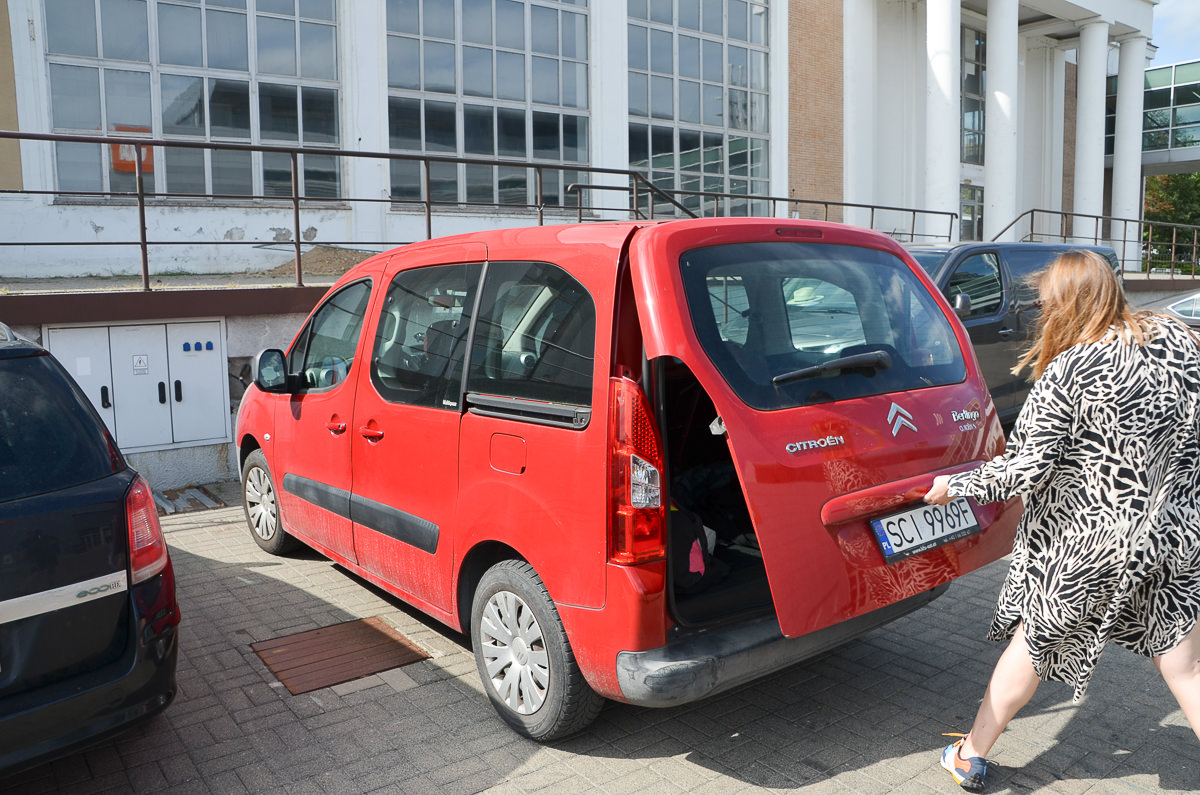
During the festival, the Serfenta members happened to be holding
a workshop using cattail at the Poznań Botanical Garden.
As it was such a rare opportunity,
we decided to take a break from the competition
and visit the workshop together with Mr. Sasaki.

This botanical garden takes advantage of Poland’s position
as part of the European continent,
bringing together a wide variety of plant species
from across Asia and throughout Europe.

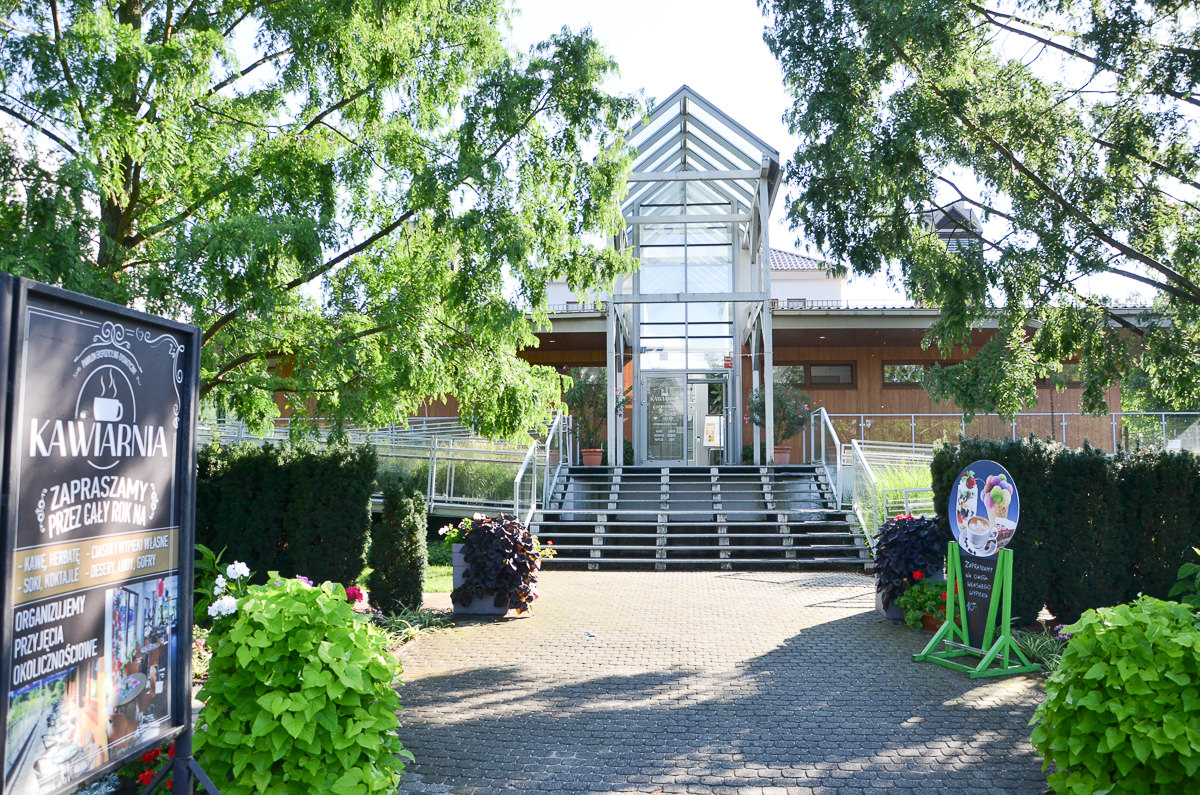
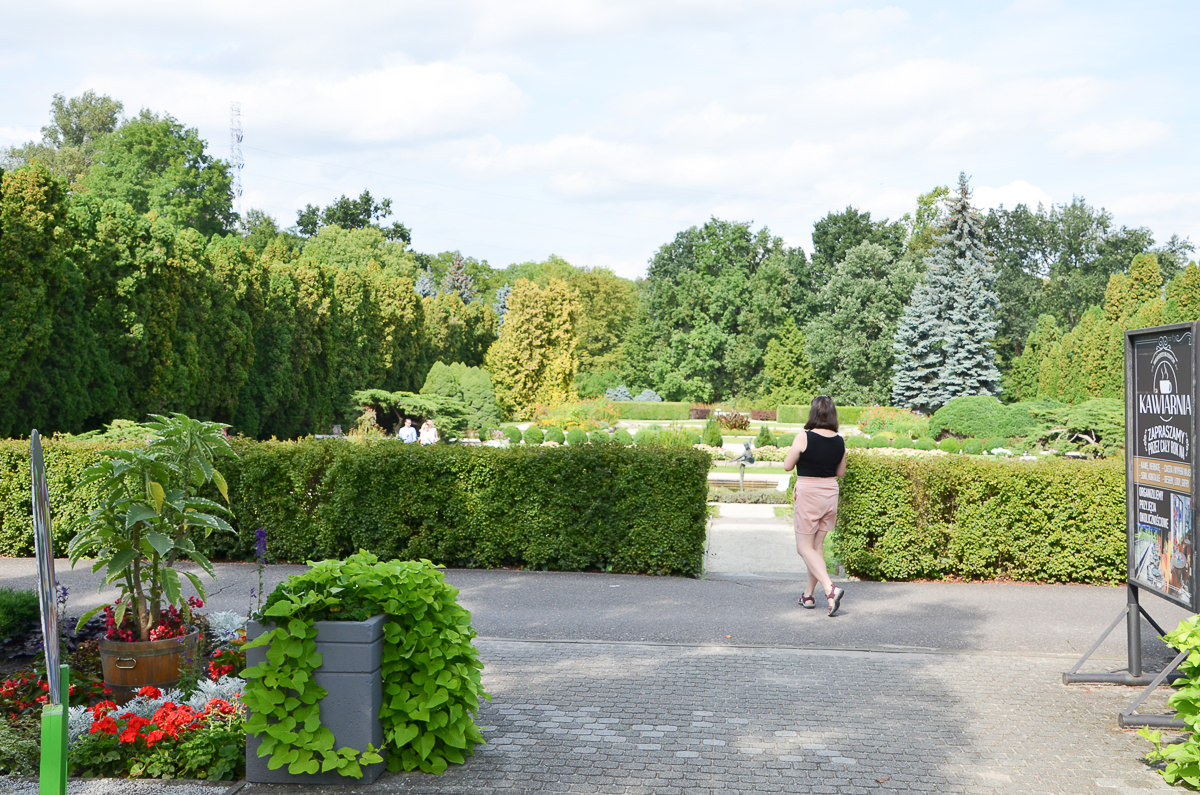
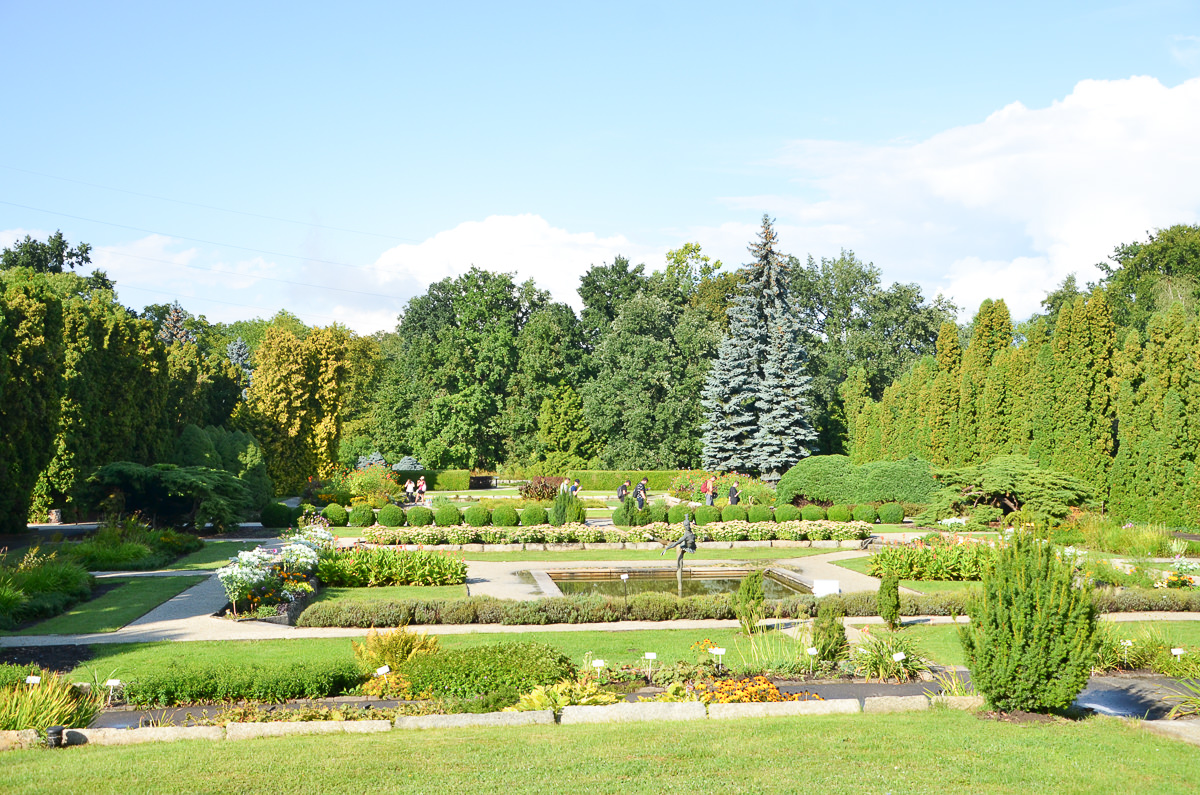

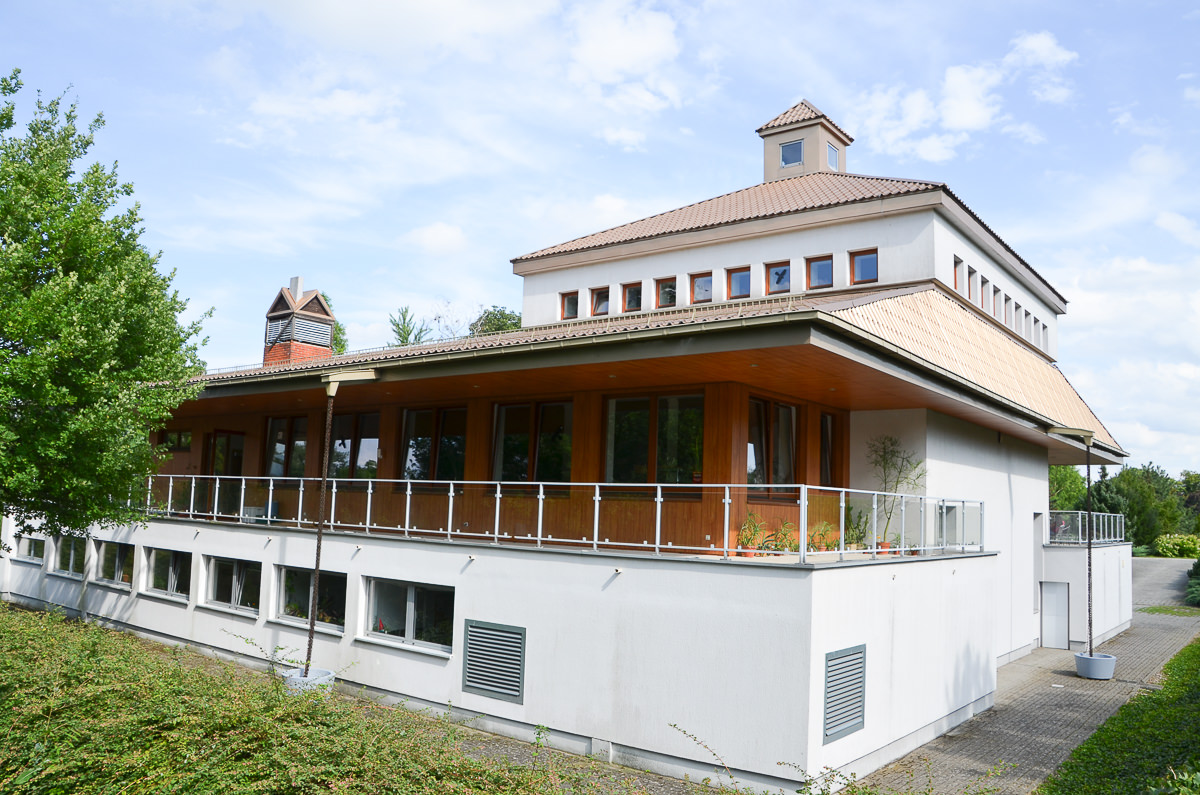
In one corner of the botanical garden,
there stood a beautifully designed building.
Inside this building,
the Serfenta team was holding a special exhibition
of Polish basketry on the second floor.
At the same time,
a workshop using cattail was being held
on the first floor.
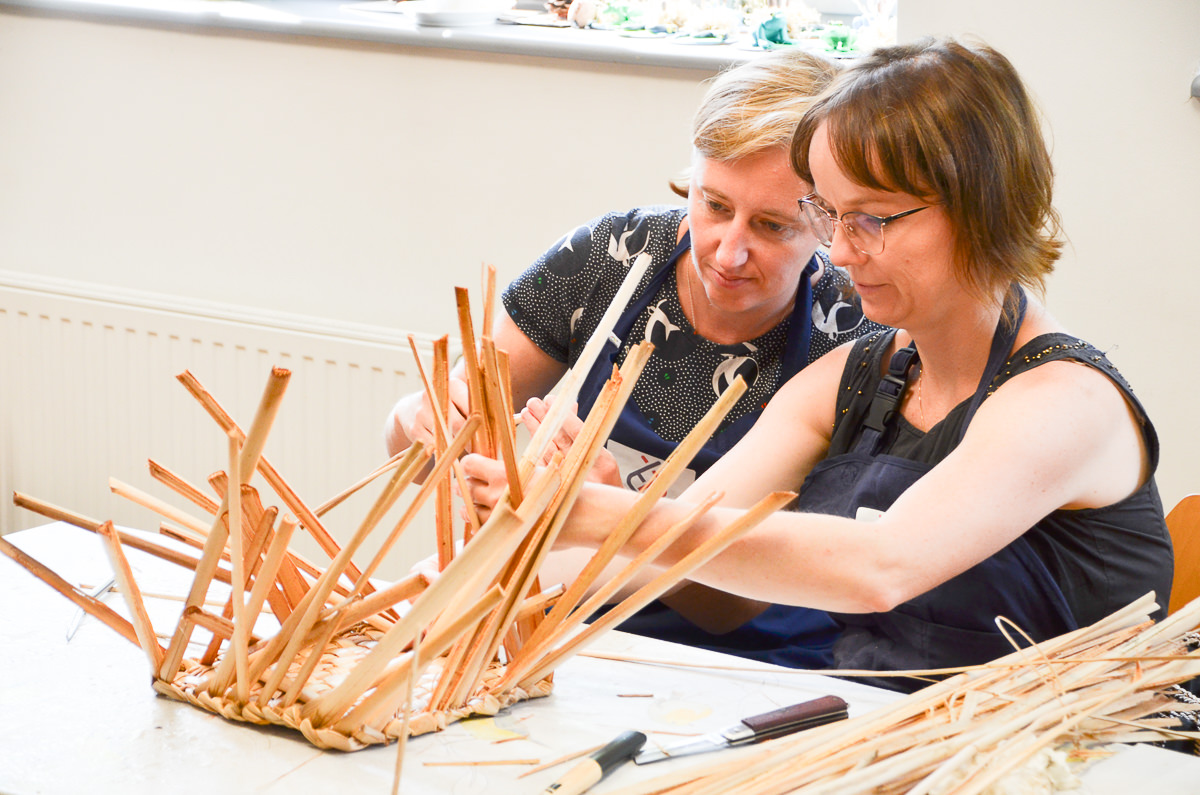
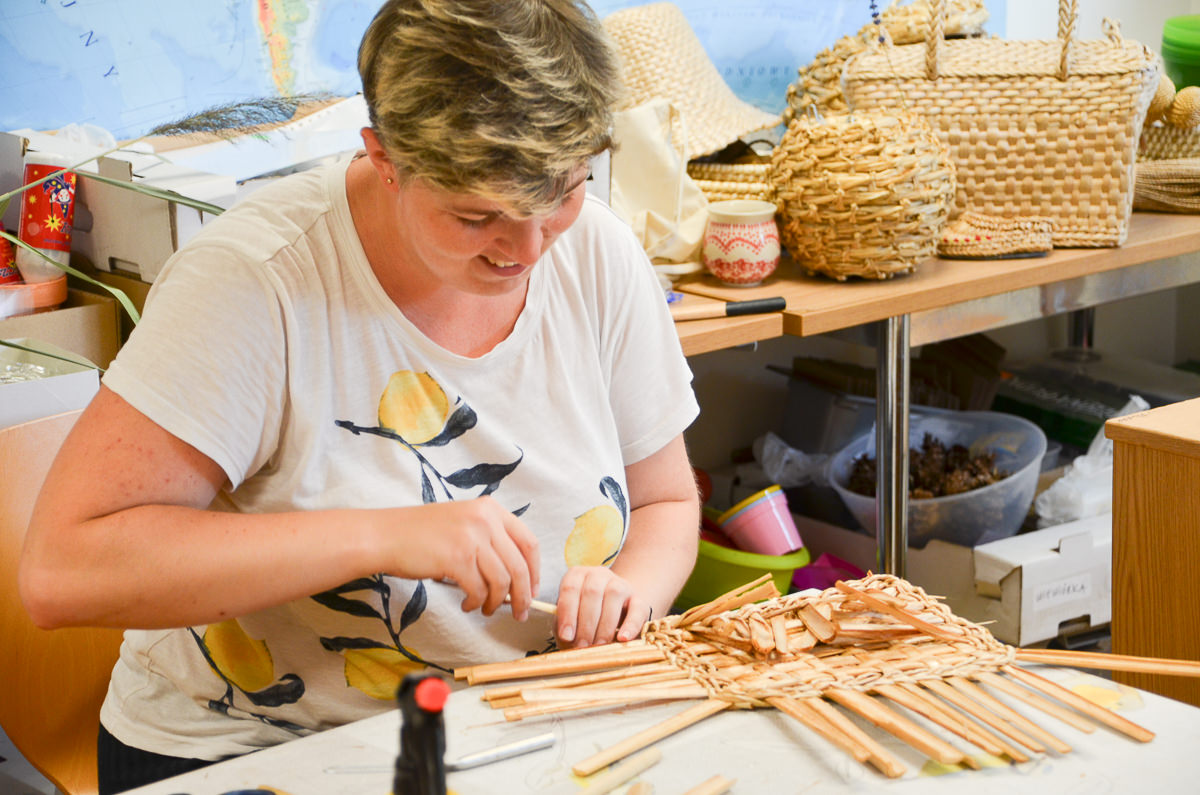
Łucja, the instructor (left in the photo), is especially known for her expertise in leading workshops using cattail. 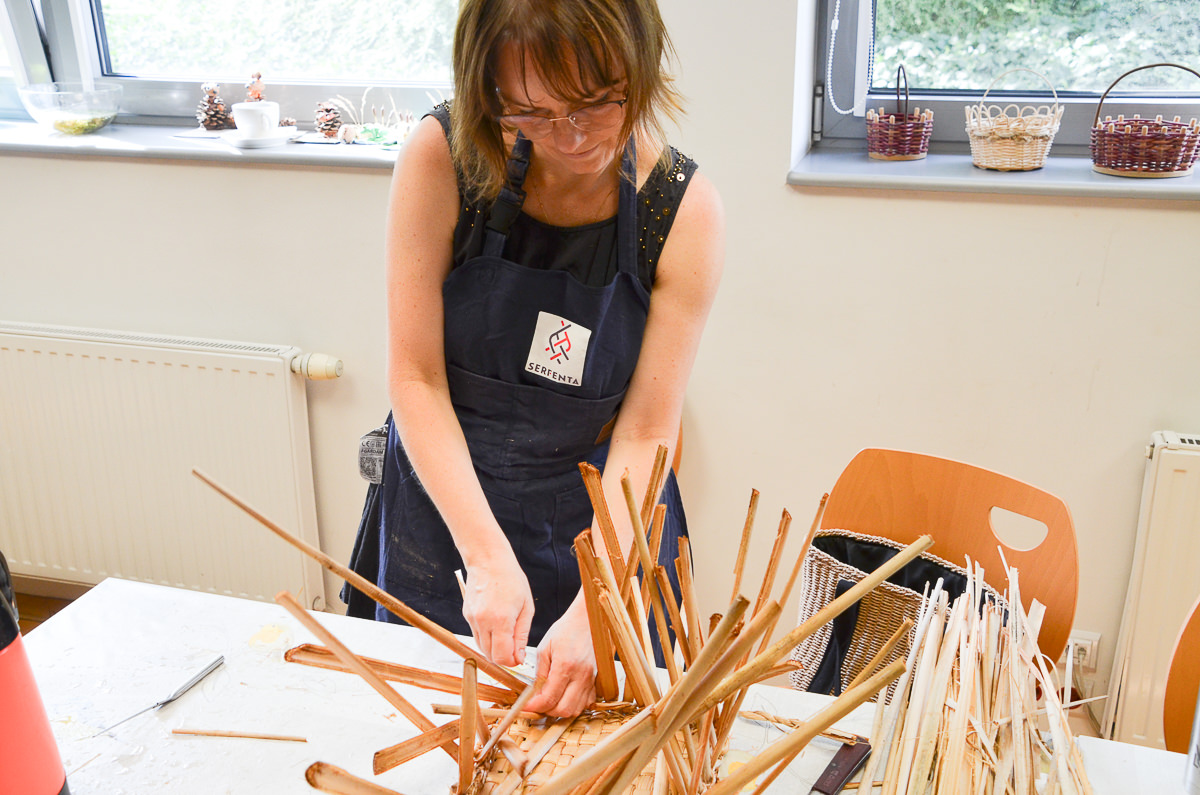
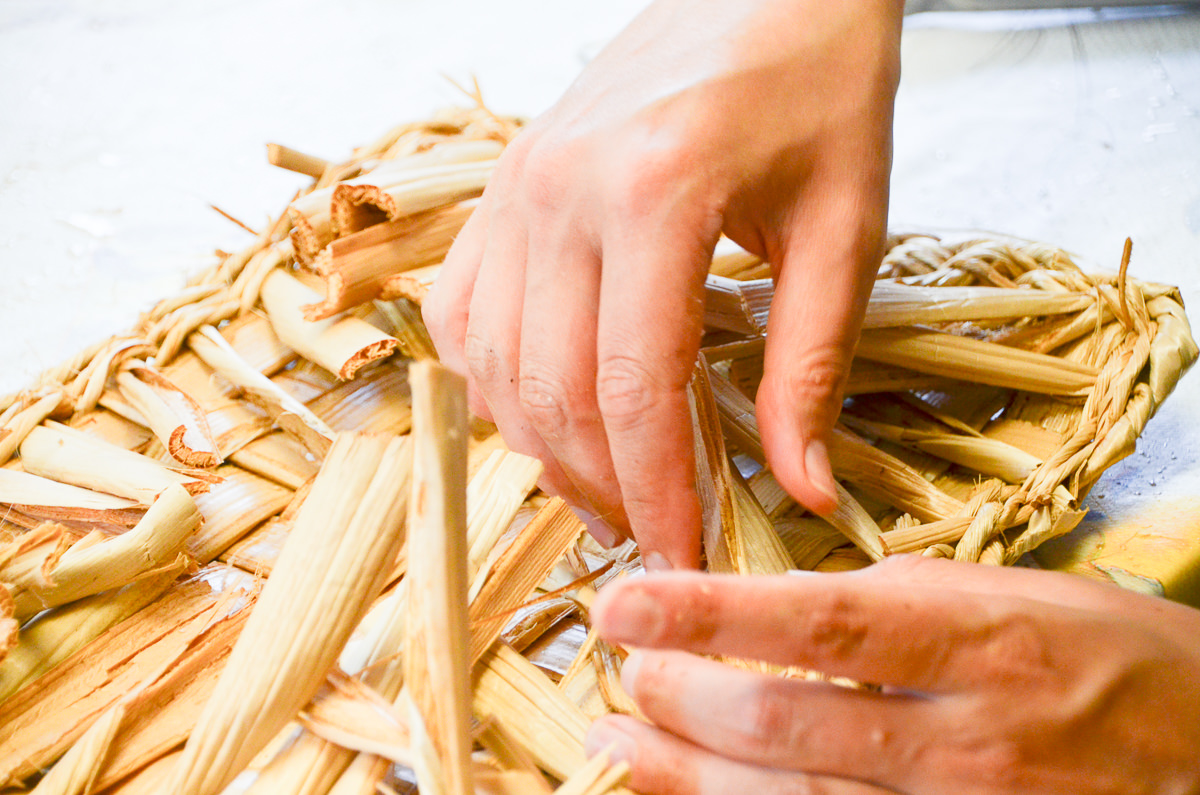
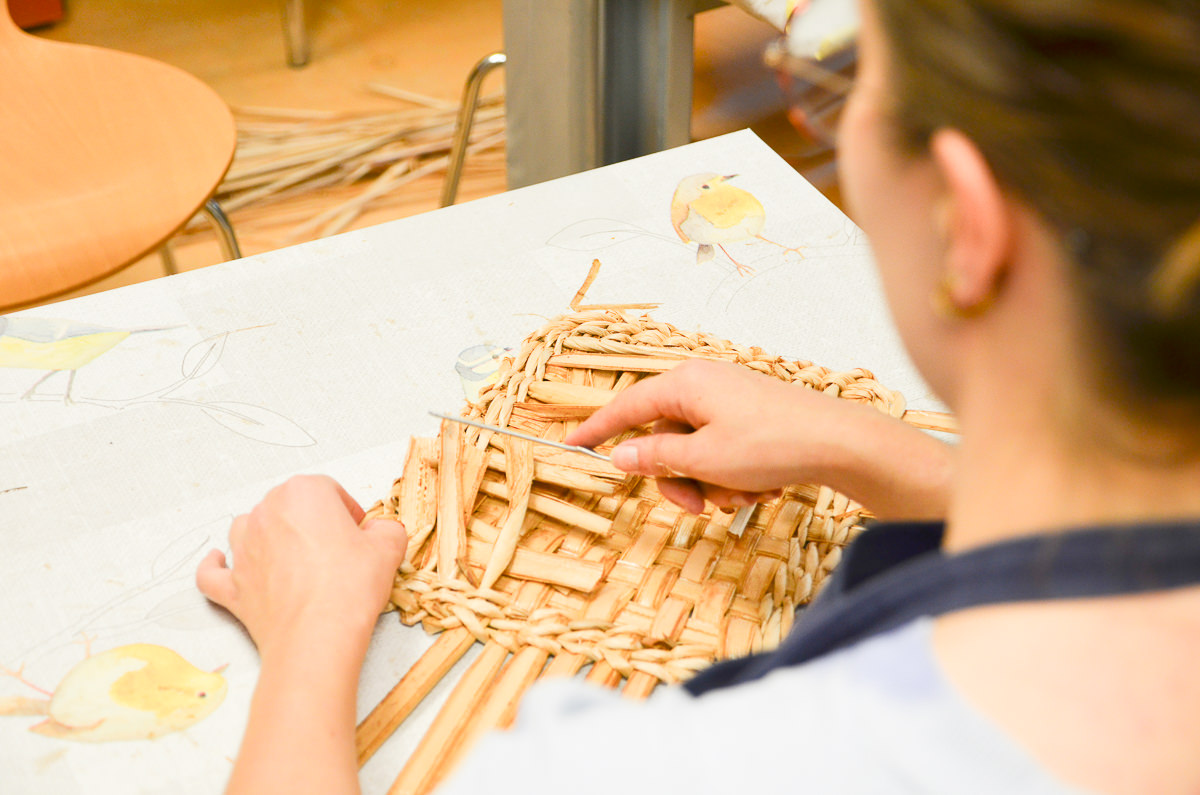
Everyone is deeply focused, weaving baskets with great care using cattail. 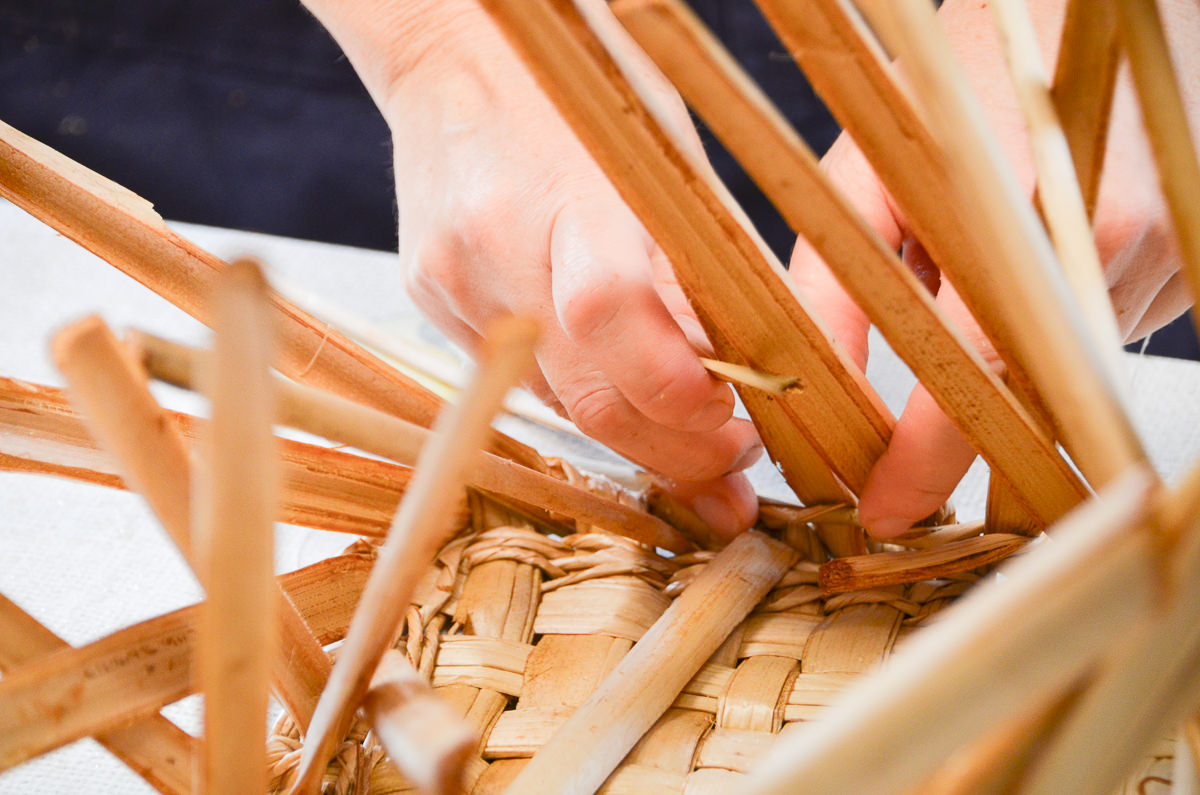
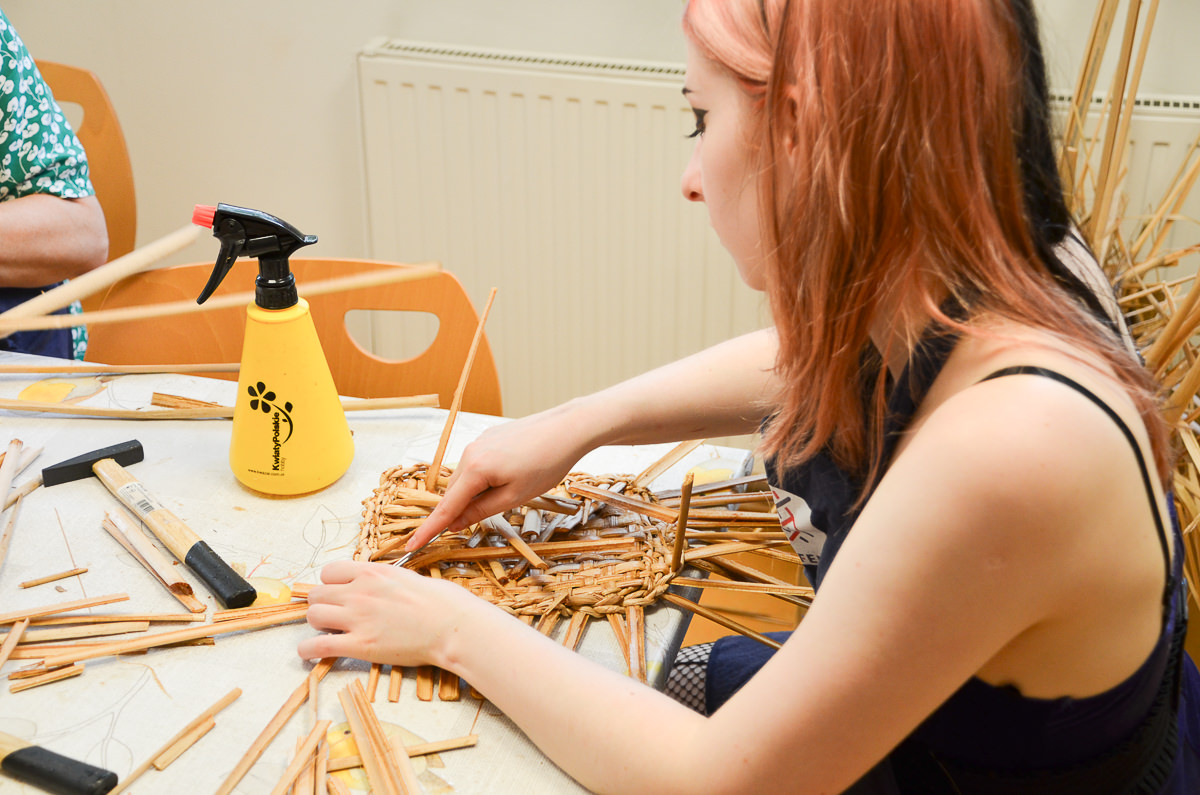
The participants gave the impression of being relatively young overall. Among the roughly ten people taking part, there were also two men. 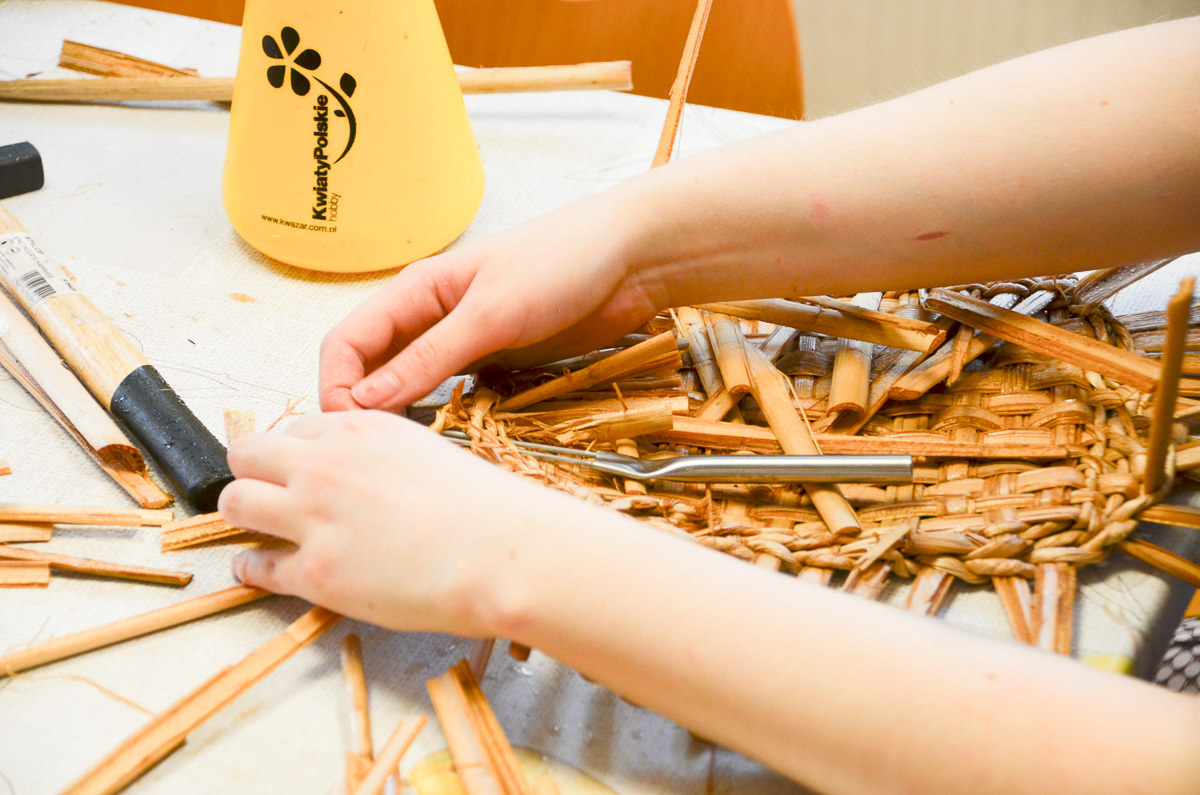
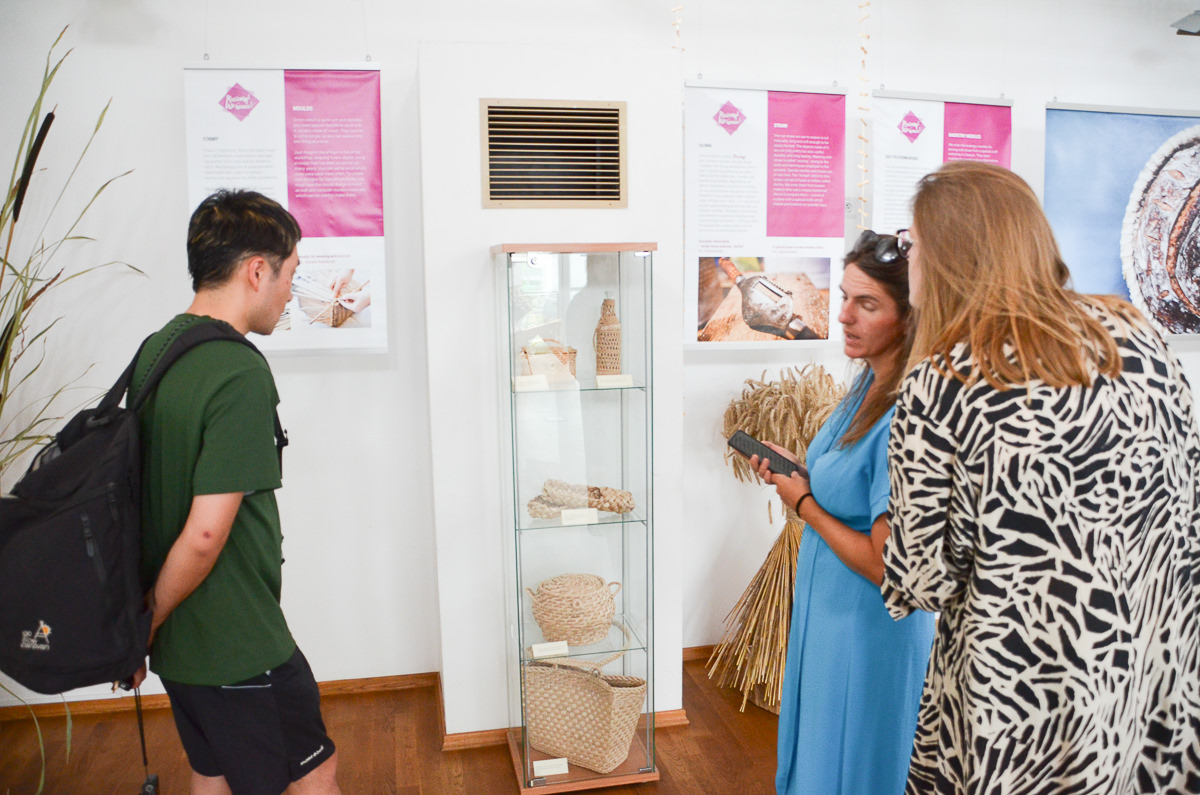
Paulina, who leads Serfenta (the woman in the blue dress), travels extensively throughout Poland, visiting many basket makers.
She continues her dedicated work of researching basketry and introducing these traditions to a wider audience.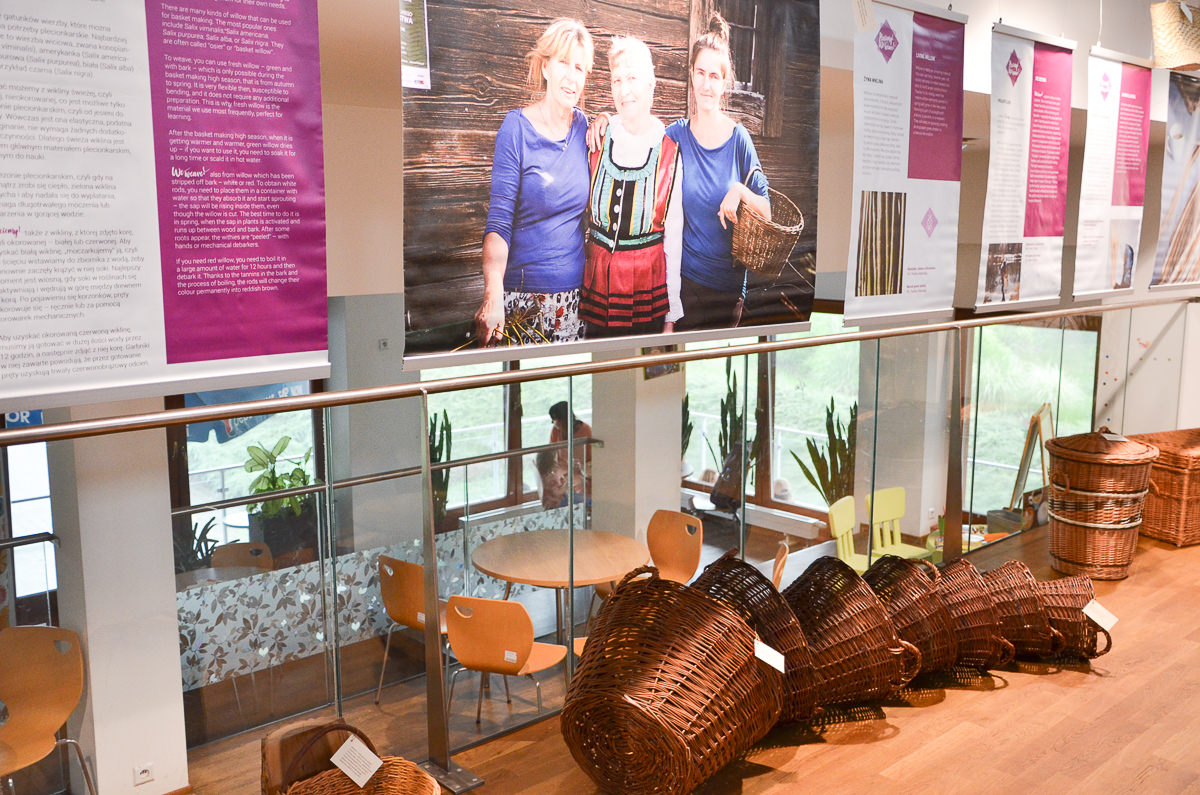
In Poland, as in Japan, the number of craftspeople who can make baskets continues to decline. It is said that there are many types of baskets that can now be made by only a single remaining artisan. 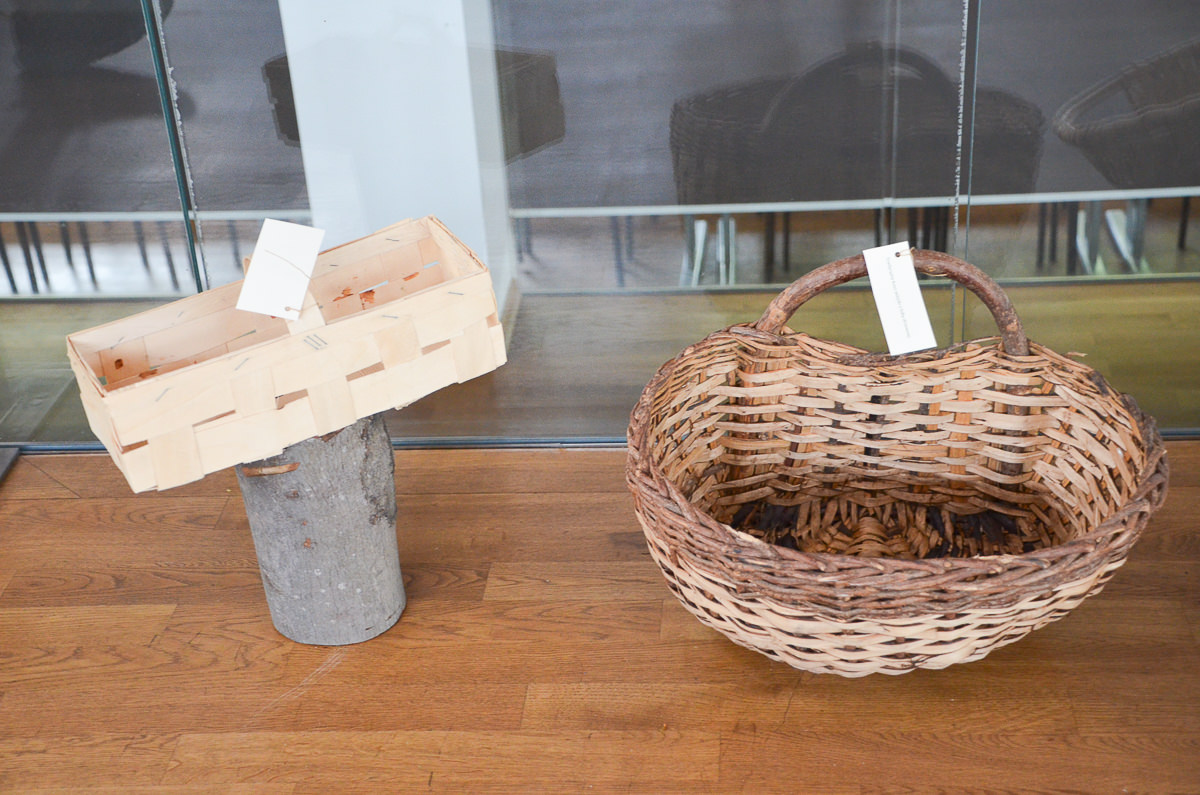
In Poland as well, willow is the most commonly used material, but there are also baskets made from other materials such as hazel and pine. 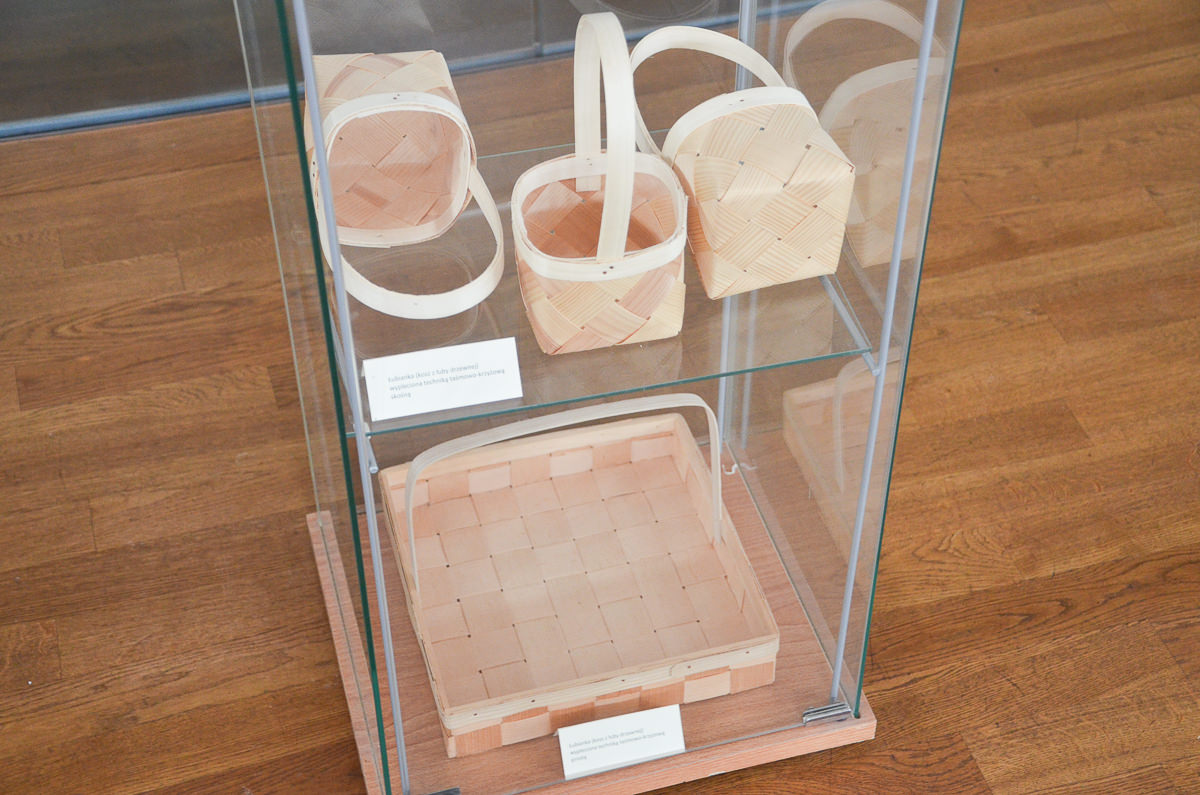
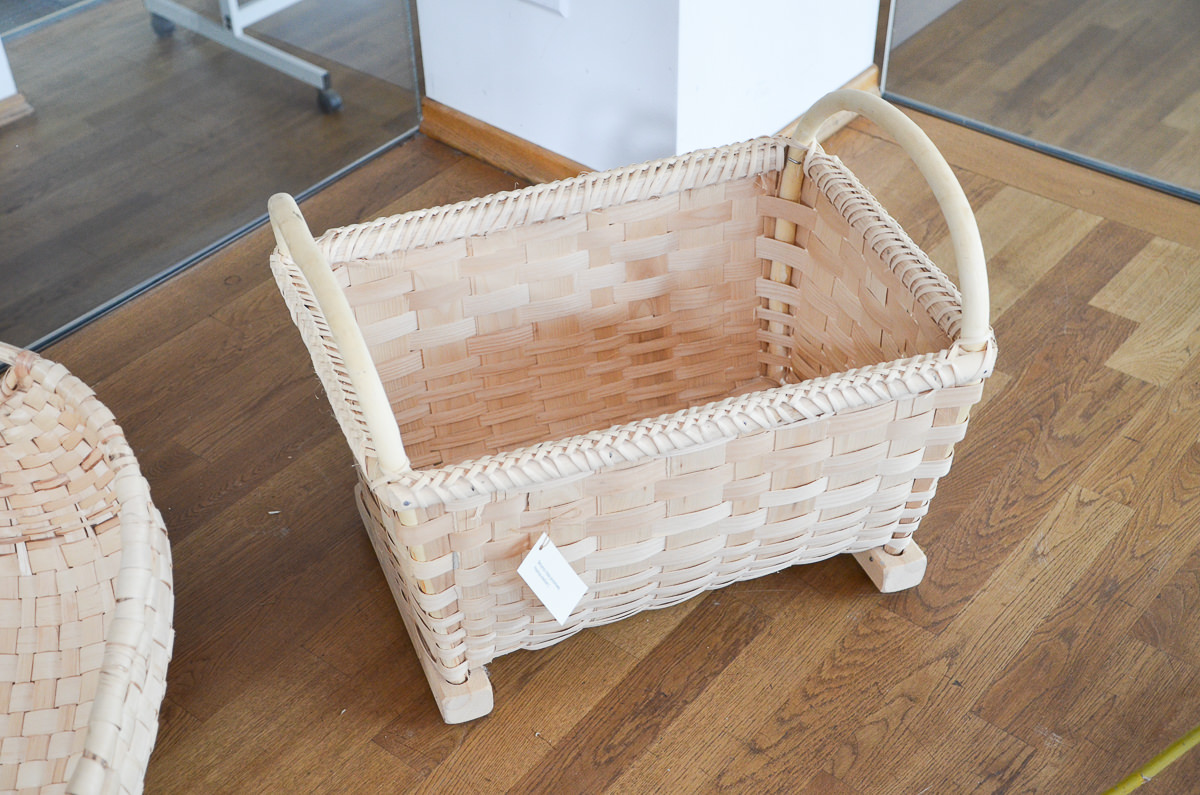
This is a handled basket made from hazel, with a square form and raised feet. The structure and overall design are truly impressive. 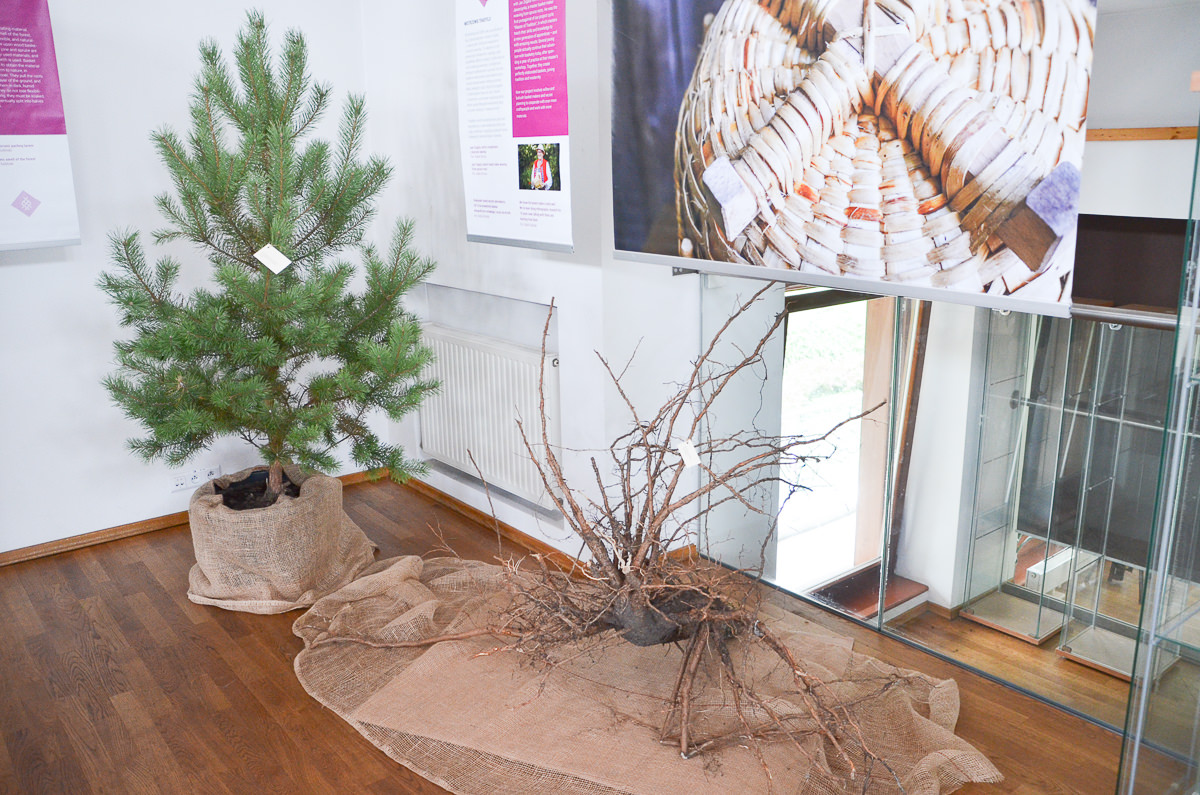
In Poland, there are also baskets made using the roots of pine-family trees. The display highlights the powerful presence of the roots themselves. This type of basket is known as Zogata.
(See the product page here.)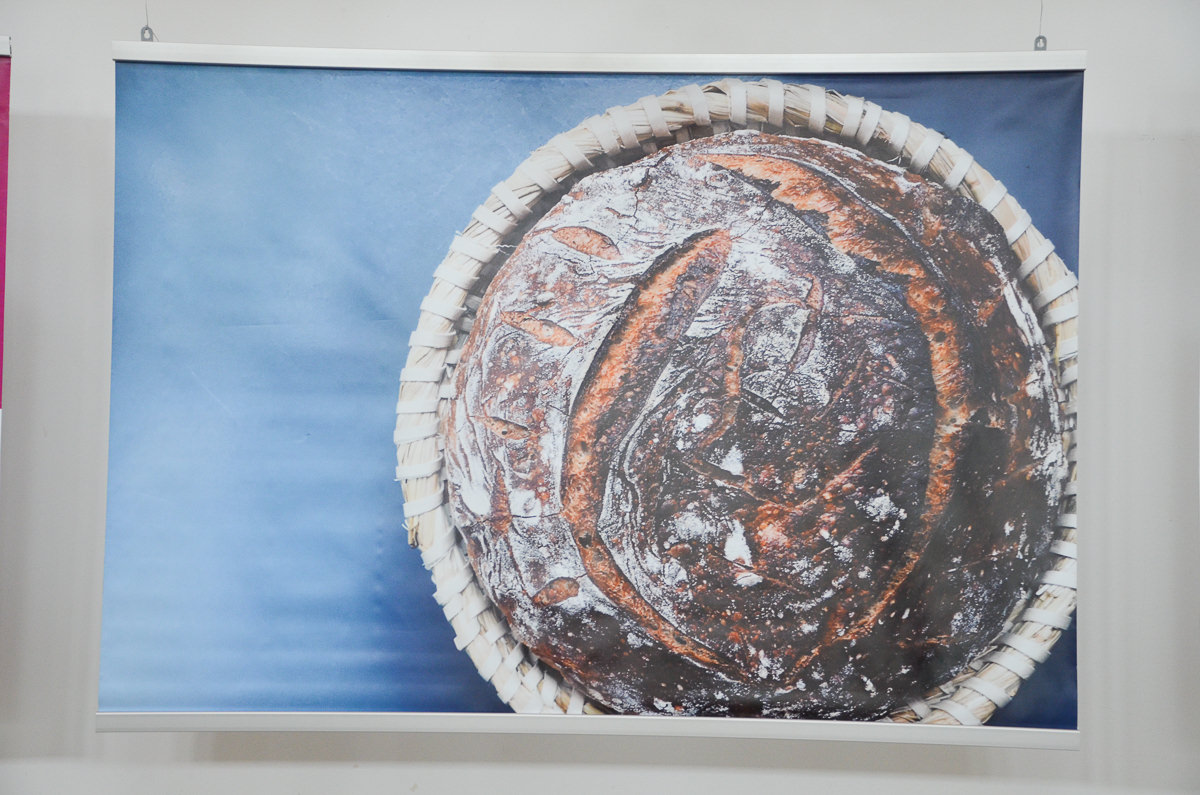
There are also large, platter-like baskets made from wheat straw,
designed for serving bread.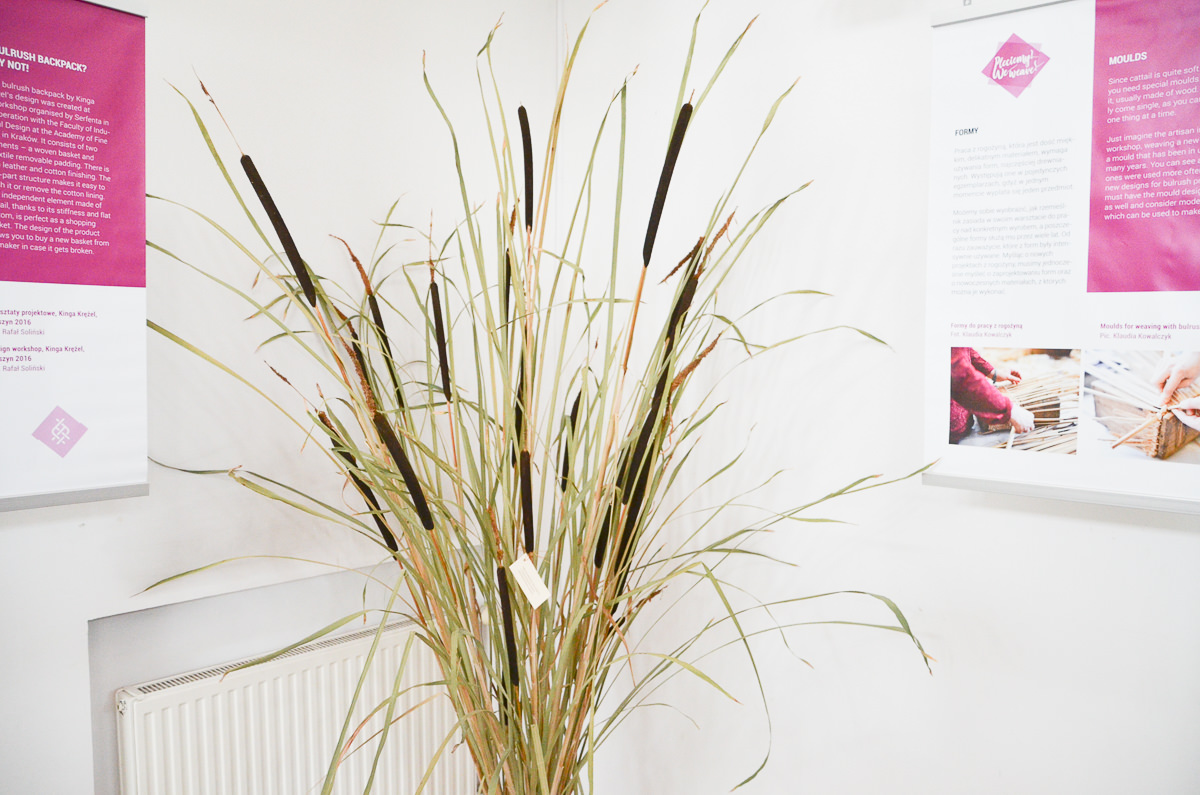
In Okayama Prefecture in Japan, there is a tradition of basketry
using “himegama” cattail (Typha domingensis). In Poland as well, there is a basket-making culture that uses cattail (Typha latifolia L.).
Even in places far apart from one another, people have processed similar plants in similar ways. The shared wisdom of daily life,
and the ingenuity of working with plants, is deeply moving.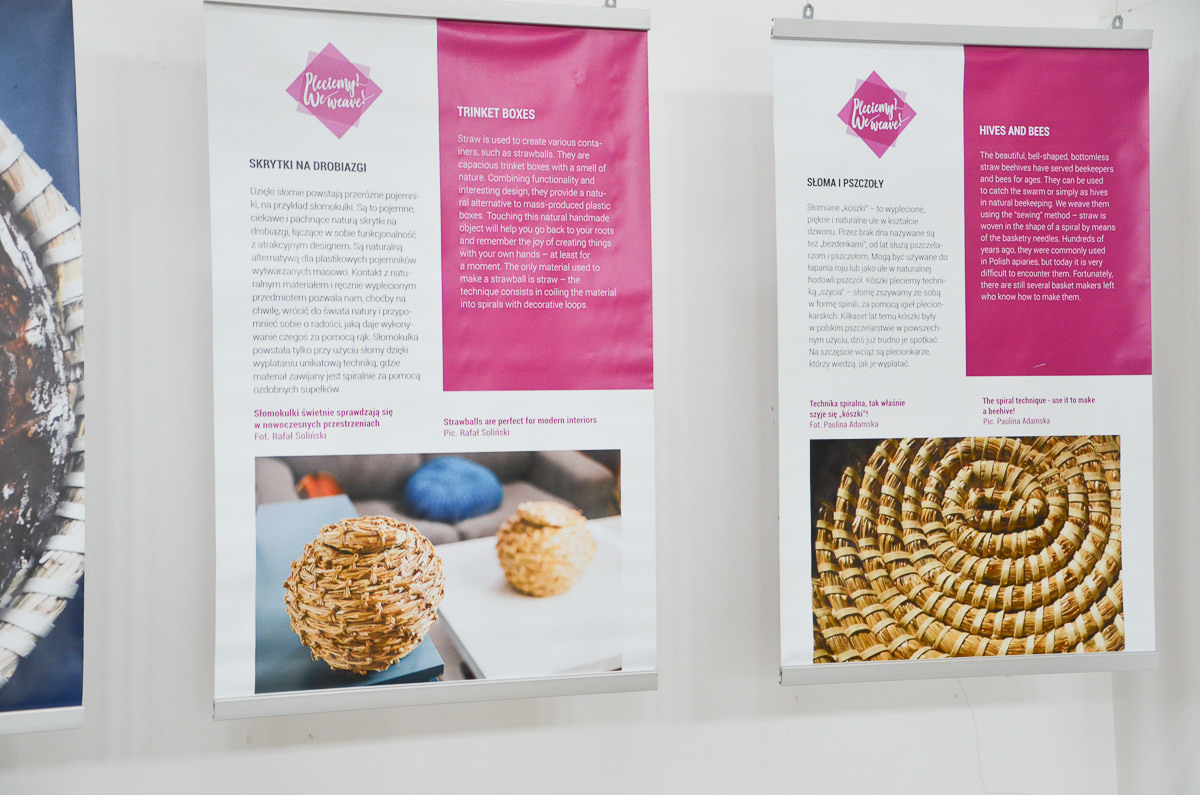
In Japan, rice straw—linked to rice as a staple food—has traditionally been used as a material for basket making. In Poland, on the other hand, wheat straw—connected to rye bread—is used for making baskets. There is a close relationship between the staple foods of a region and the materials used in its basketry traditions.
By eating the grain and turning the remaining stalks and leaves
into everyday tools, we are once again reminded of the wisdom of our predecessors—their sense of economy, rationality, and refusal to waste what nature provides.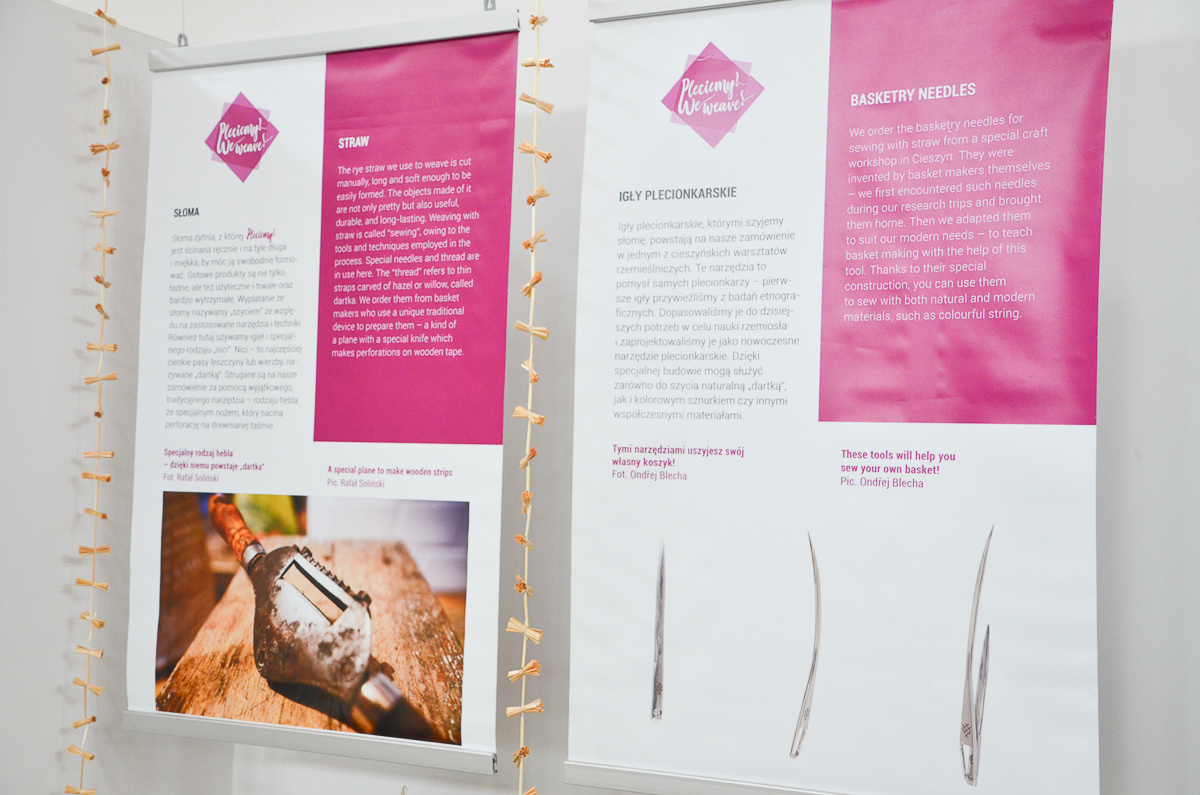
The tools used for basket making are also finely honed in their own ways, shaped by each region. For good basket making, the right tools are always part of the equation. What feels important here is that expensive tools are not necessarily better tools. Rather, it is the suitability of the tool—how well it fits the material, the hands, and the purpose—that truly matters.
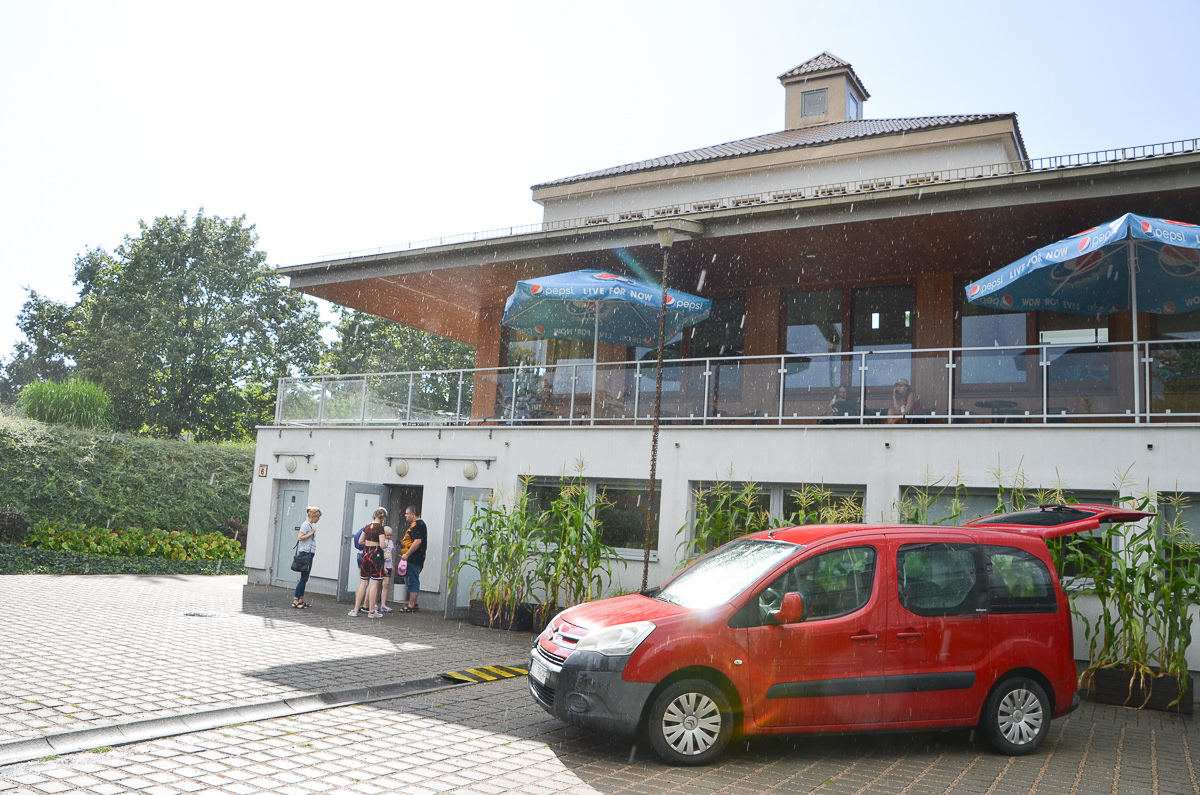
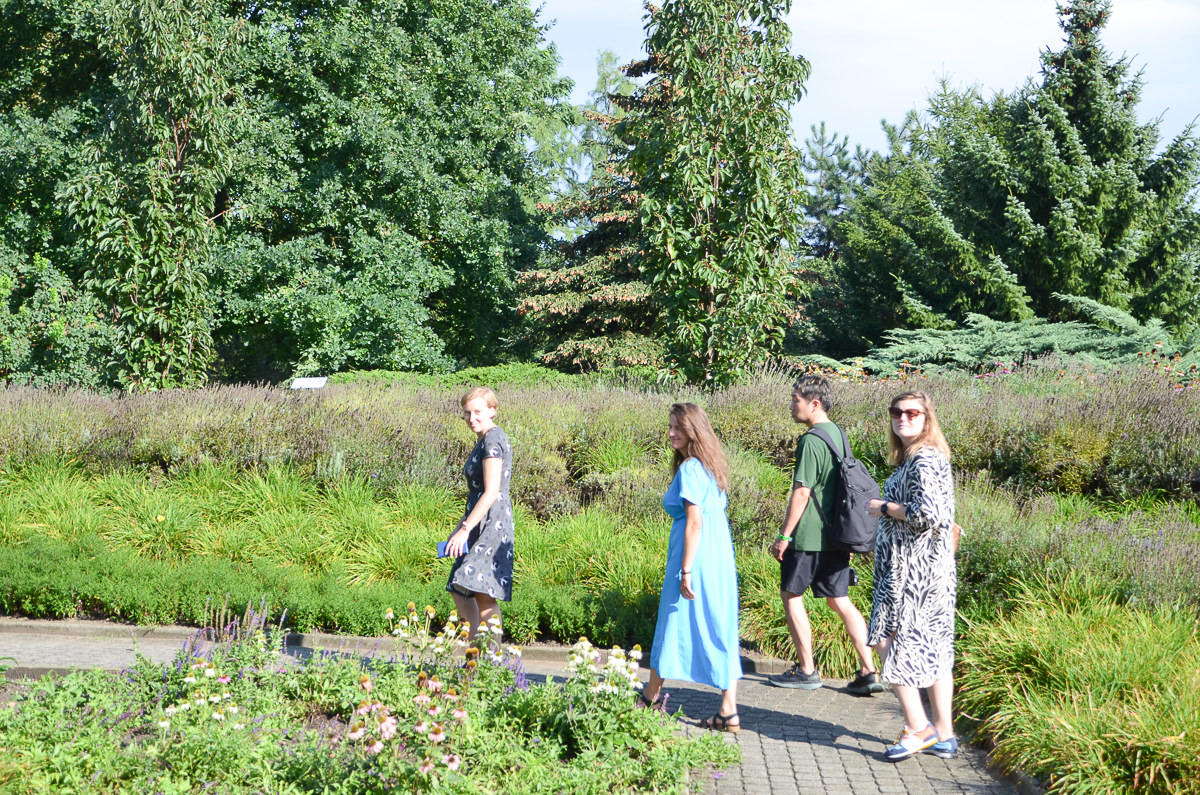
Because this year’s festival was held inside a modern, concrete-built venue, 
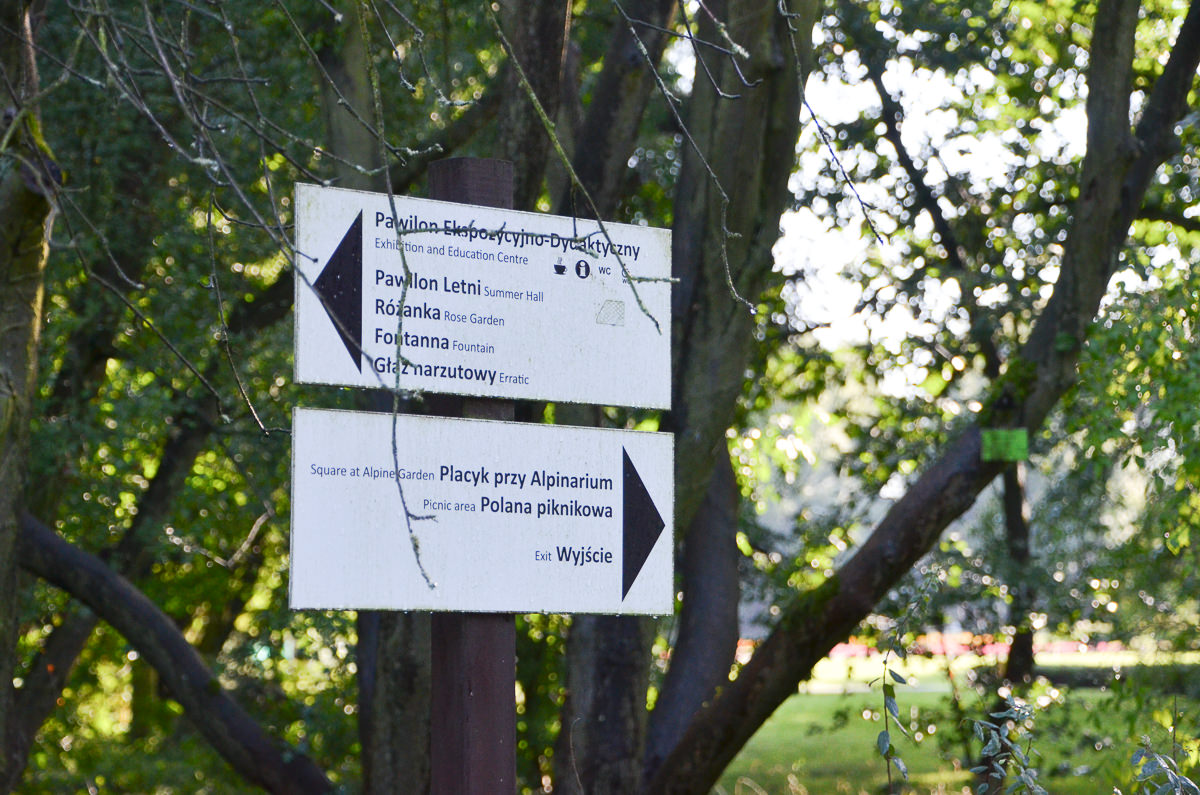
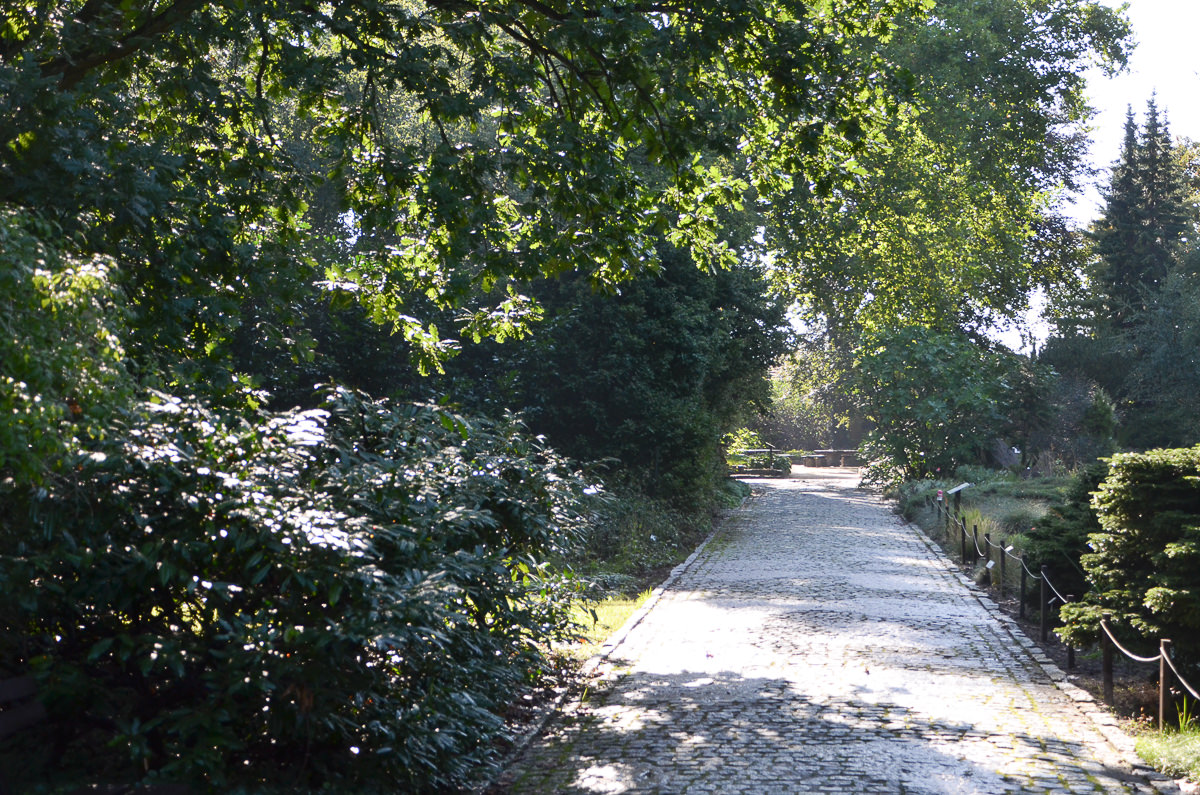
it was a particularly joyful experience to deepen our connections while strolling through a botanical garden where plants grow freely and abundantly. 
It felt like we had stepped into another world for a while—a lush paradise filled with vibrant, thriving plants. 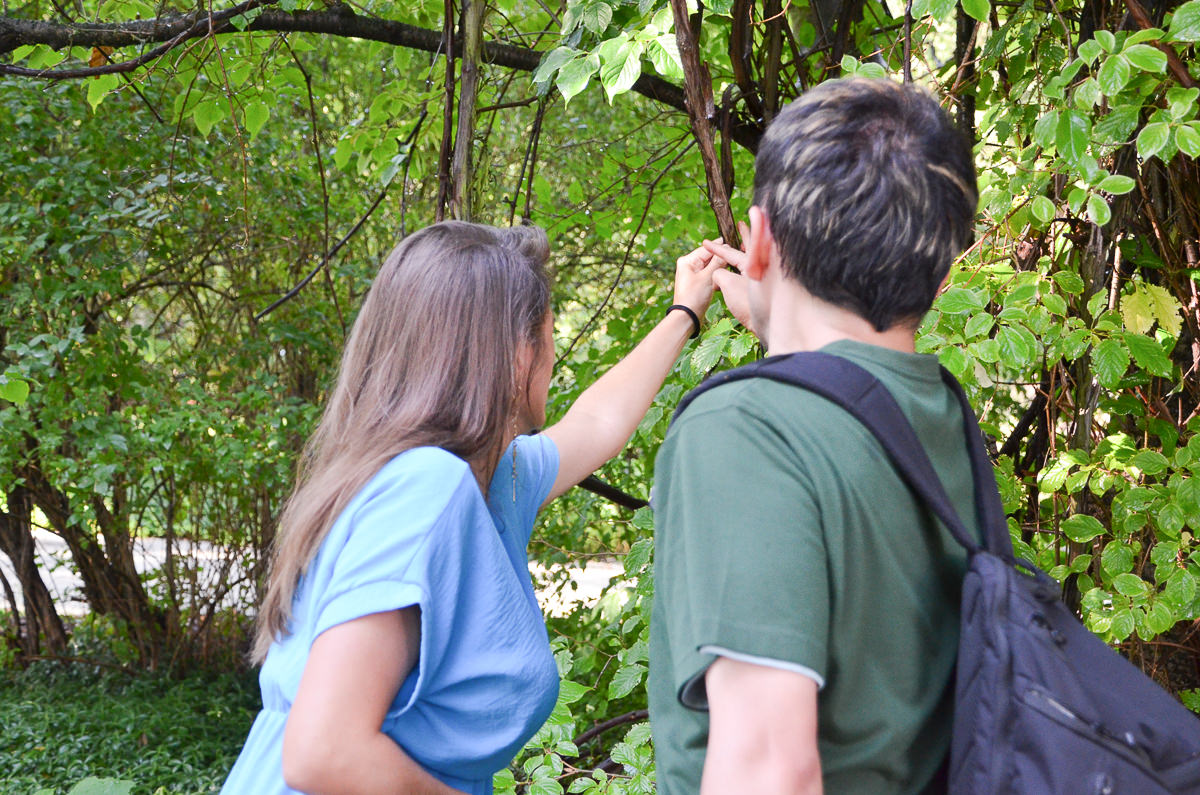
In the area showcasing Japanese plants, Sasaki spotted a vine of wild grape. Paulina, excited by the discovery, reached out to touch it and examine it closely. Wherever they go, their passion for baskets and materials runs deep.
The Polish baskets carefully selected by the Serfenta team
are also introduced in our online shop.
→ You can view the collection of Polish baskets here.
Afterward, at the restaurant they kindly took us to,
the conversation continued to flow,
with lively discussions about baskets carrying on without pause.

Through the members of Serfenta, who have a keen eye for basketry in Poland,
we hope to be able to introduce Polish baskets to everyone more deeply and more widely than ever before.
Tomotake Ichikawa
+++++++++++++++++++
To be continued