5th World Wicker and Weaving Festival 2023 in Poland Part 2: People Gathered by Basketry 世界かご編み大会2023 in ポーランド 2 -かごに集う人々-
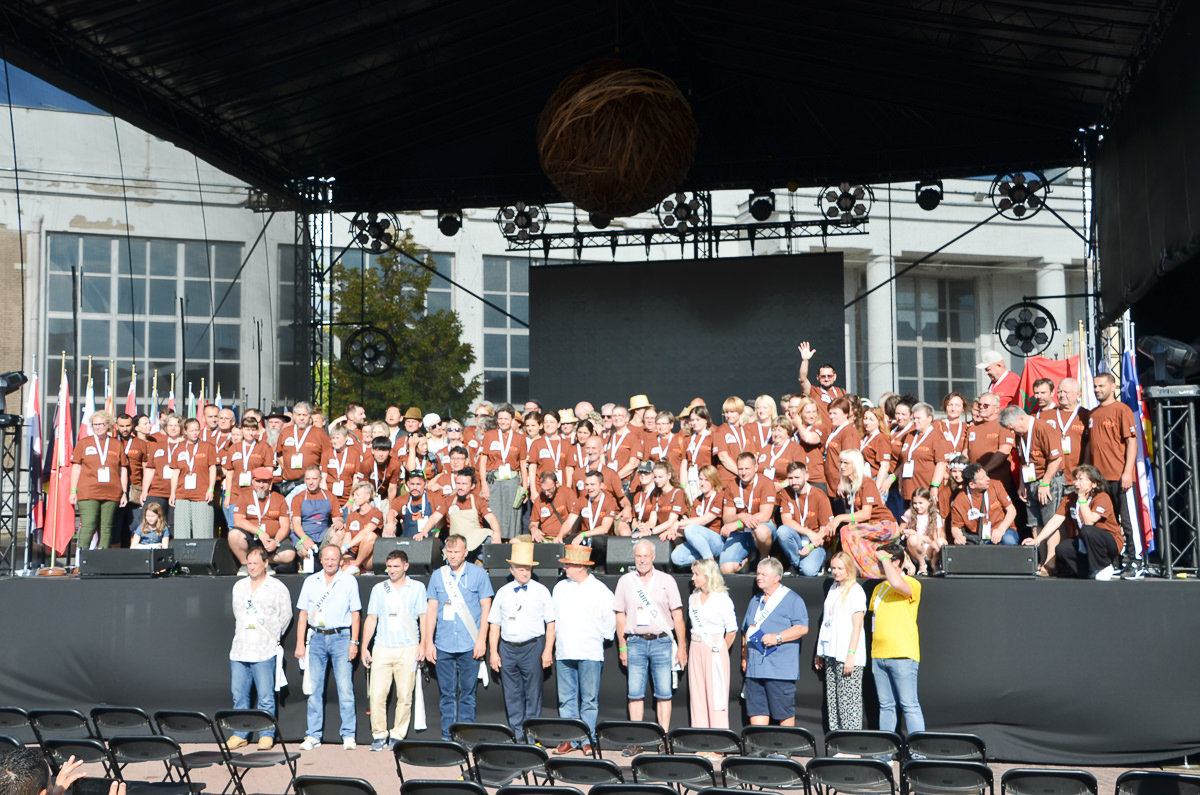
Once every four years, people gather in Poland, returning to the same place for one purpose: to weave baskets.
Here, there is hardly any need to share a common language.
Through their gestures and ways of being, they show respect to one another,
observe each other’s tools,
take interest in the materials being used,
and communicate through their eyes and hands.
For someone like myself, who does not weave baskets,
these moments are truly enviable.
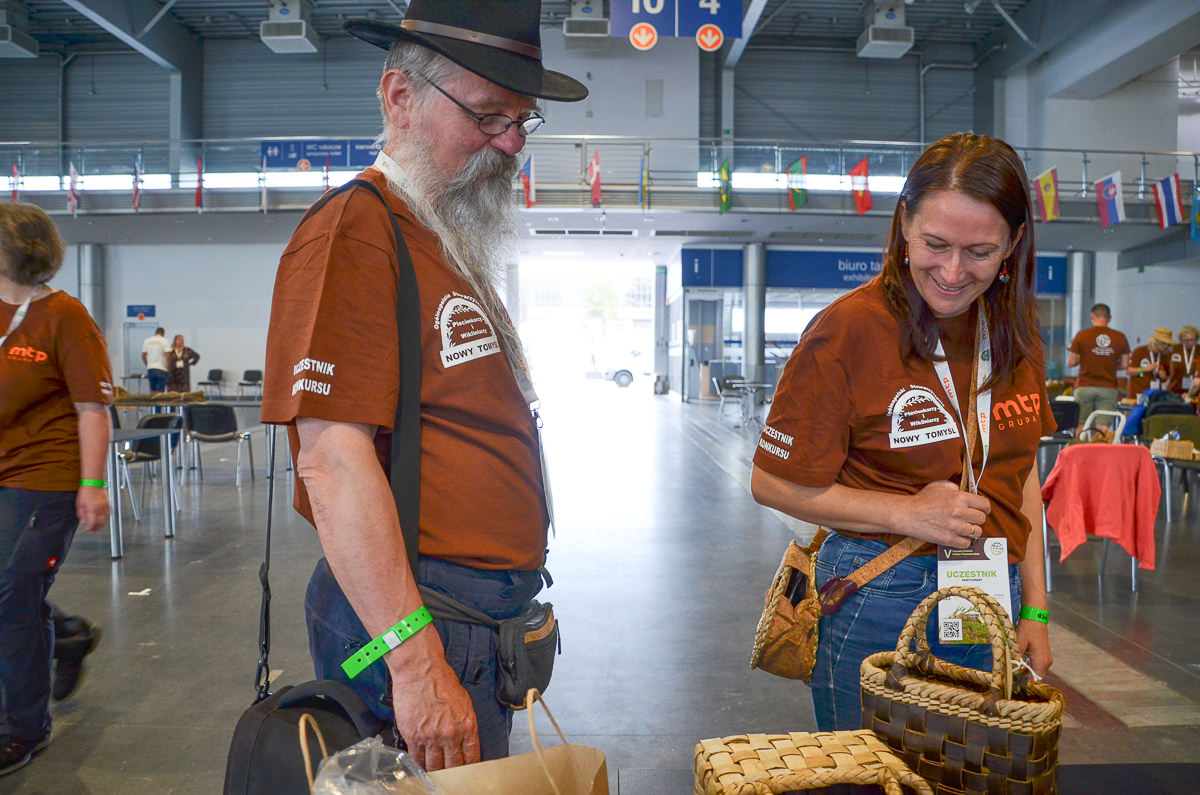
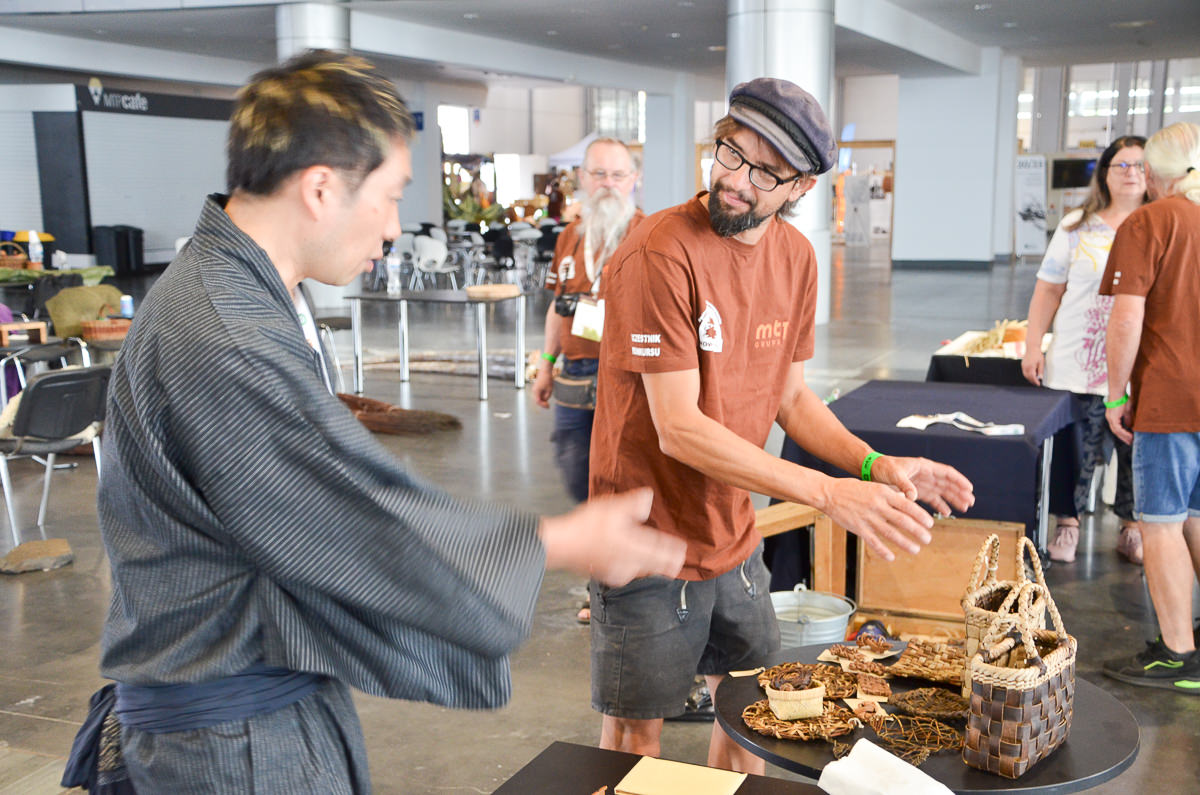
Among the makers, it is almost always the case that someone will first ask, “May I touch this?” It feels like a sign of respect for the work the other person has made. And at the same time, that simple question becomes the starting point of communication. 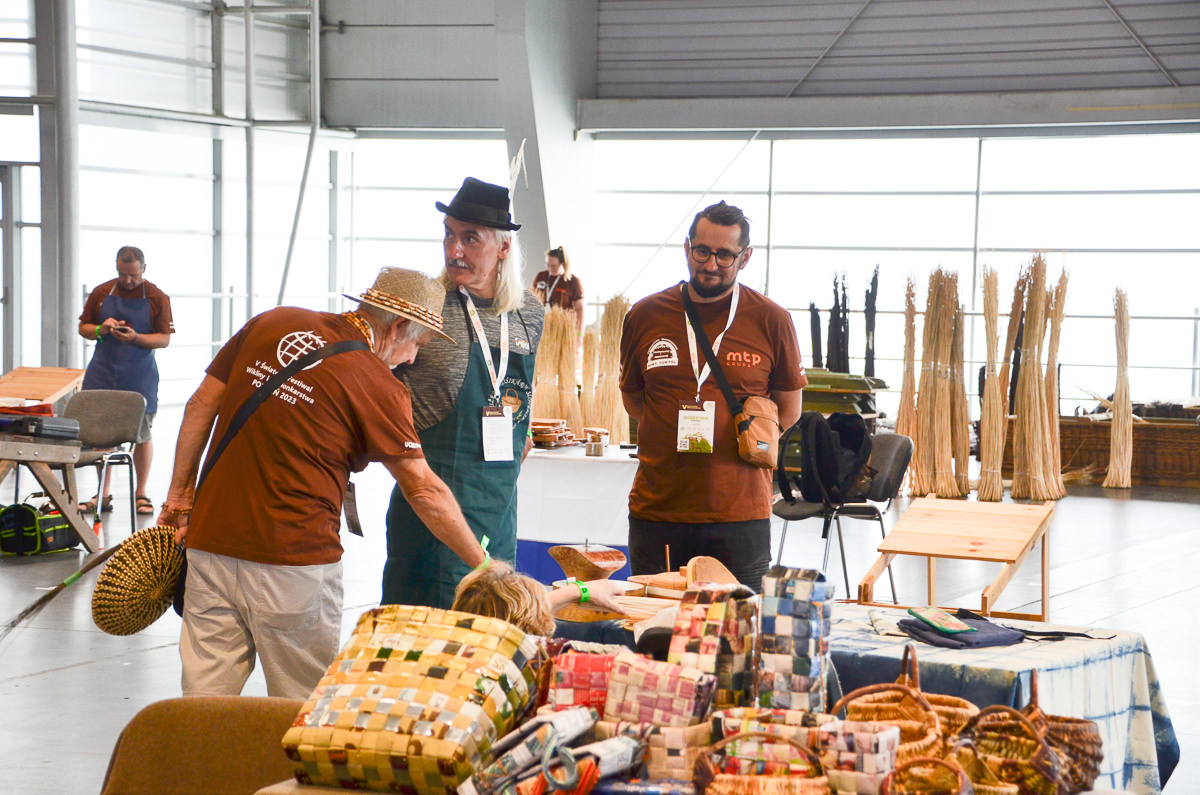
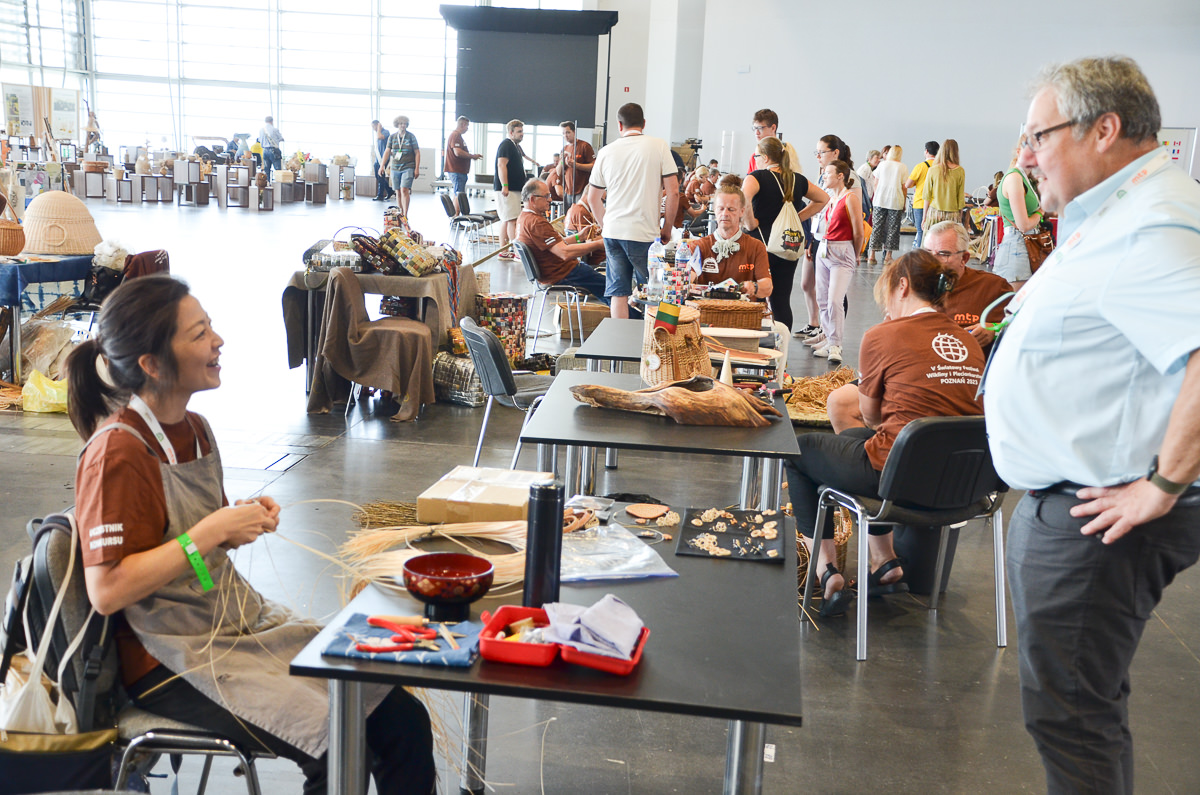
Once the relaxed moments before the contest came to an end,
each participant took up their own materials
and began to face basket making with a focused, serious expression.
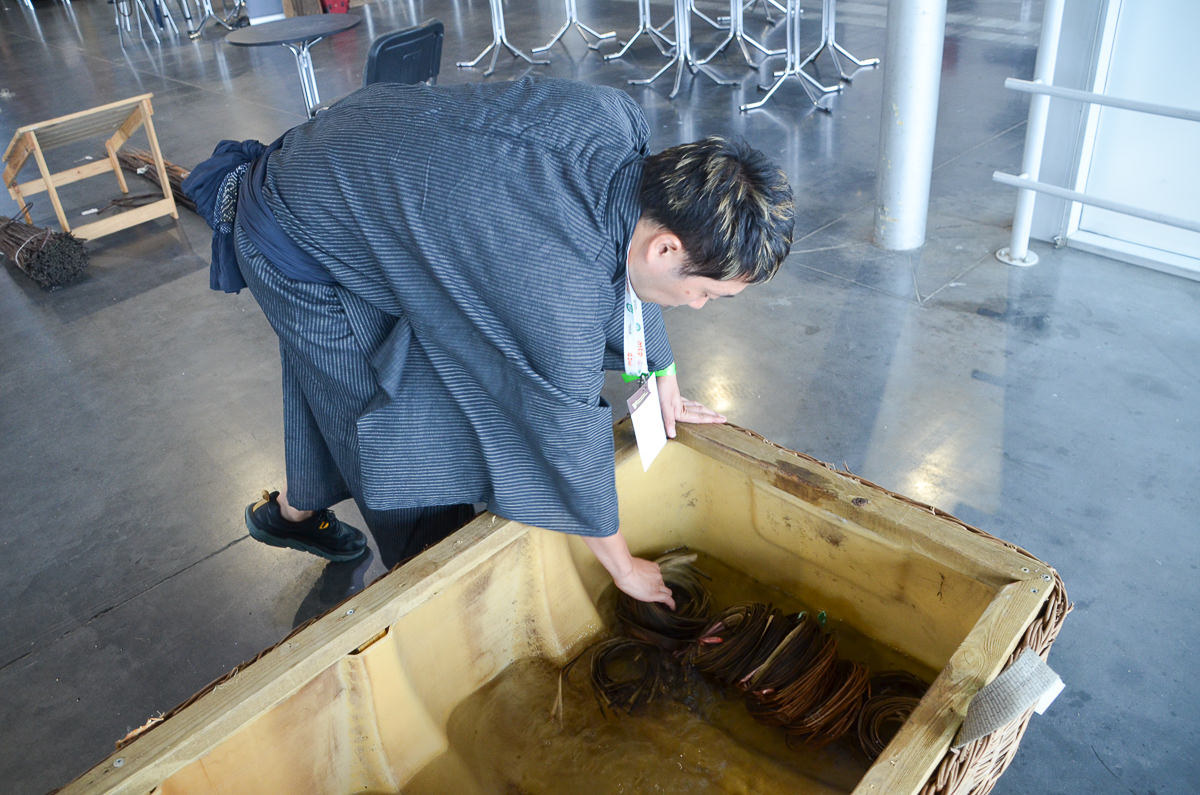
Sasaki checks the condition of the sawagurumi bark by soaking it in water. 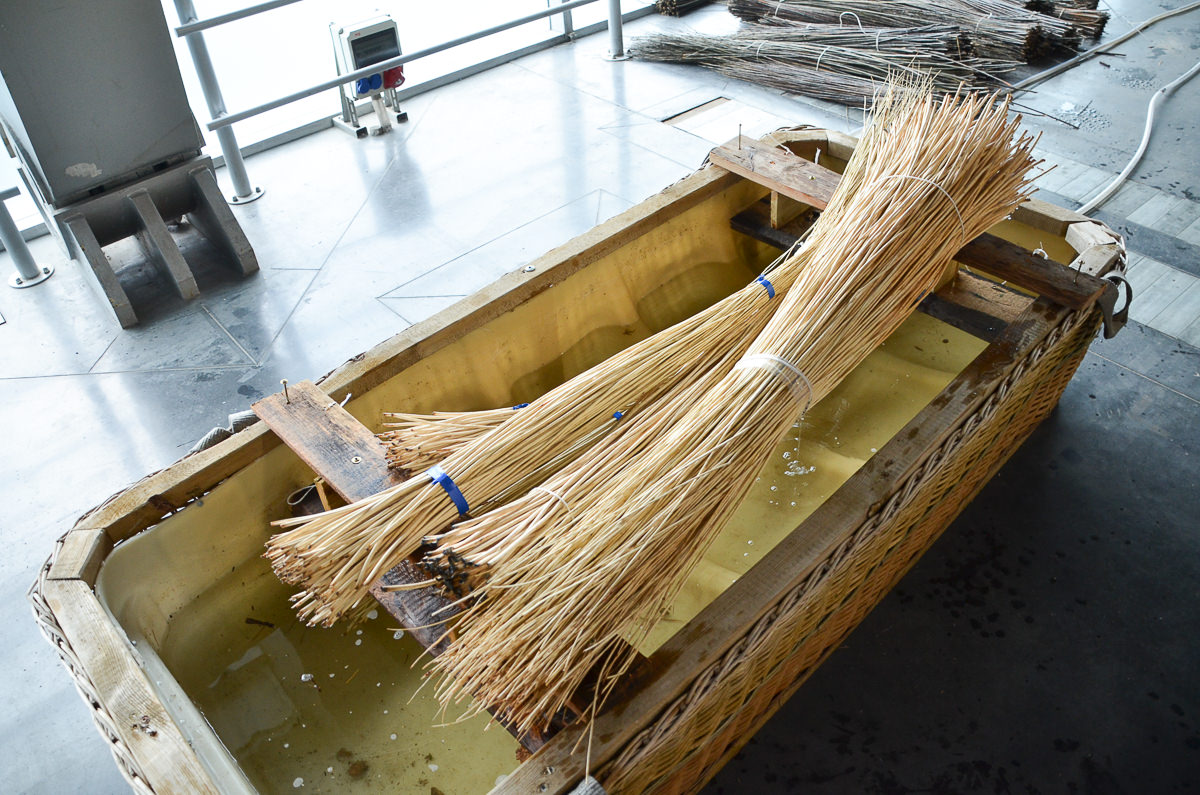
Many participants working with willow, a material commonly used in Europe, had already soaked it from the night before. Willow is a material that is quite stiff to weave when dry, and this preparation reflects both the difficulty of working with it and the fact that, once finished, it becomes a firm and highly durable basket. 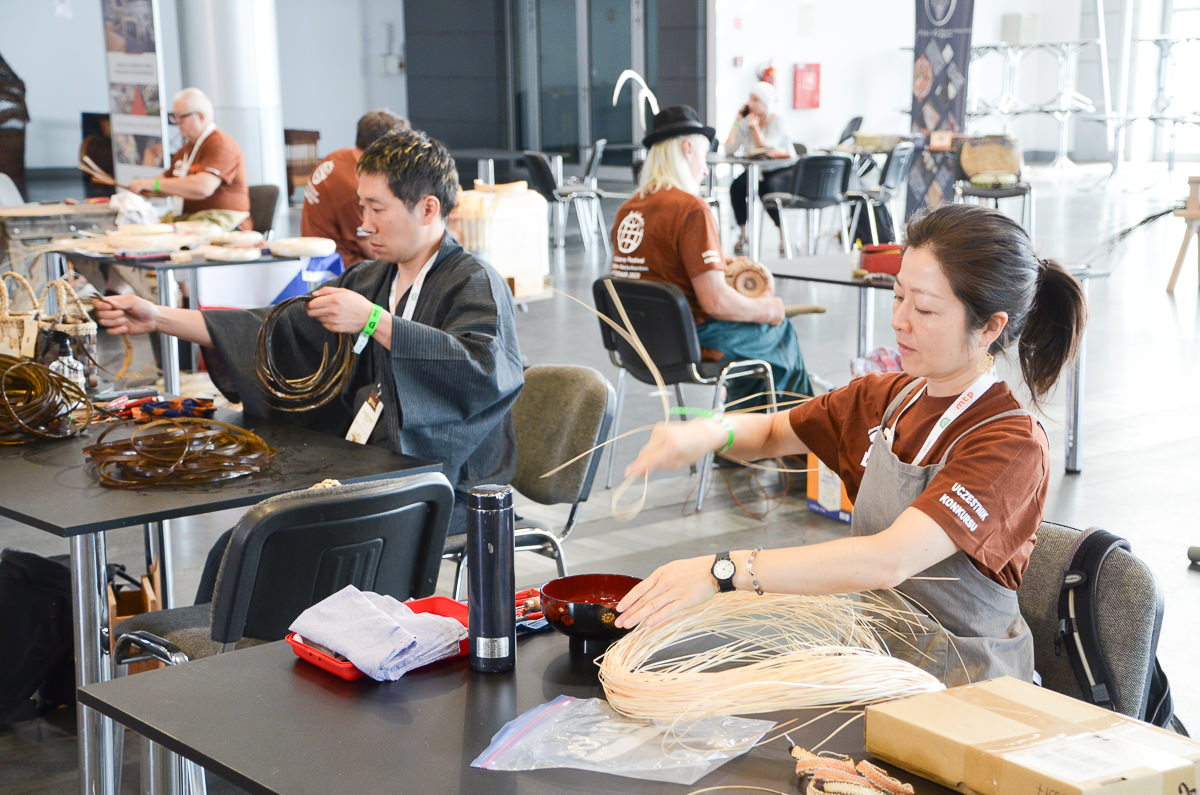
The Japanese woman in the foreground is Megumi Higuchi, who studied willow basket weaving in Germany for three years. She took part in the competition as a Japanese participant through a German team. 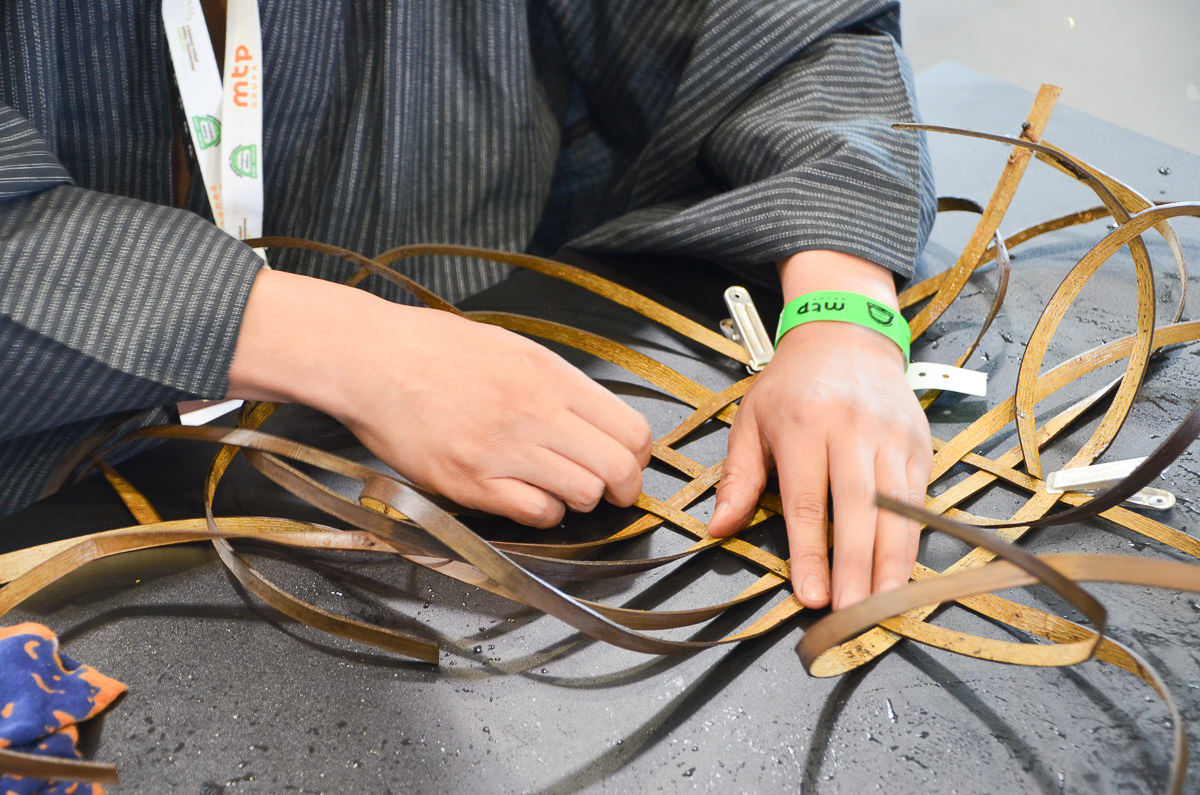
Sasaki also began by weaving the base of his basket. He mentioned that the table surface was far more slippery than expected, making the work difficult. Having to weave under such unfavorable conditions is something that feels characteristic of overseas competitions. 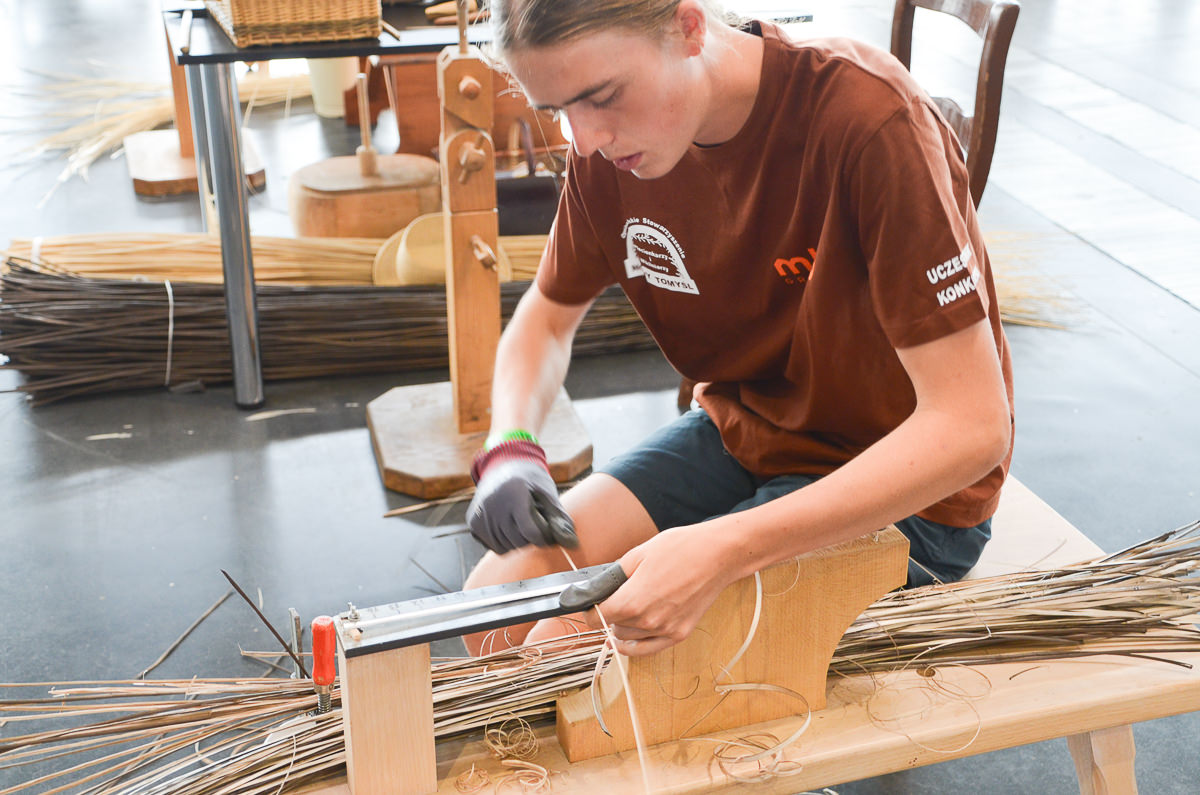
Within the tight schedule of just two days, some participants began by preparing their materials from scratch, shaving and splitting each piece by hand. 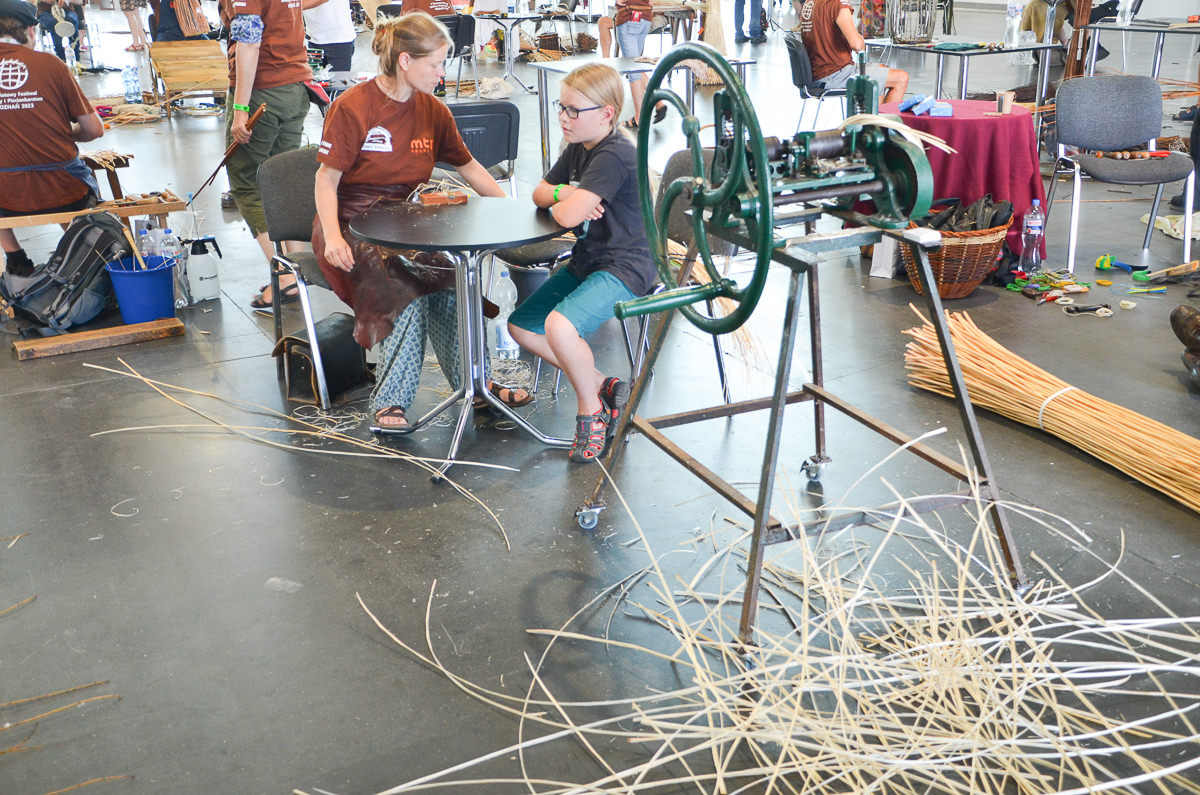
Others brought large machines with them to prepare their materials on site. 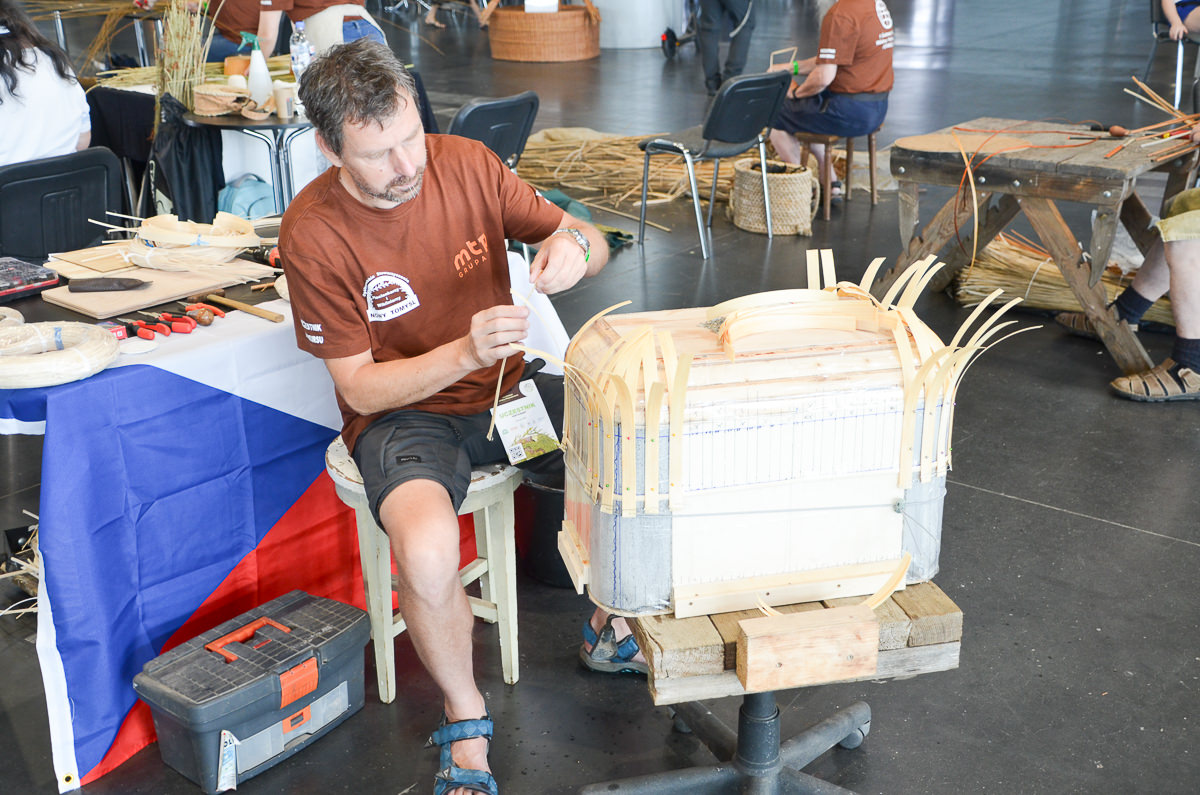
Some used strikingly large wooden molds, their scale immediately drawing the eye. 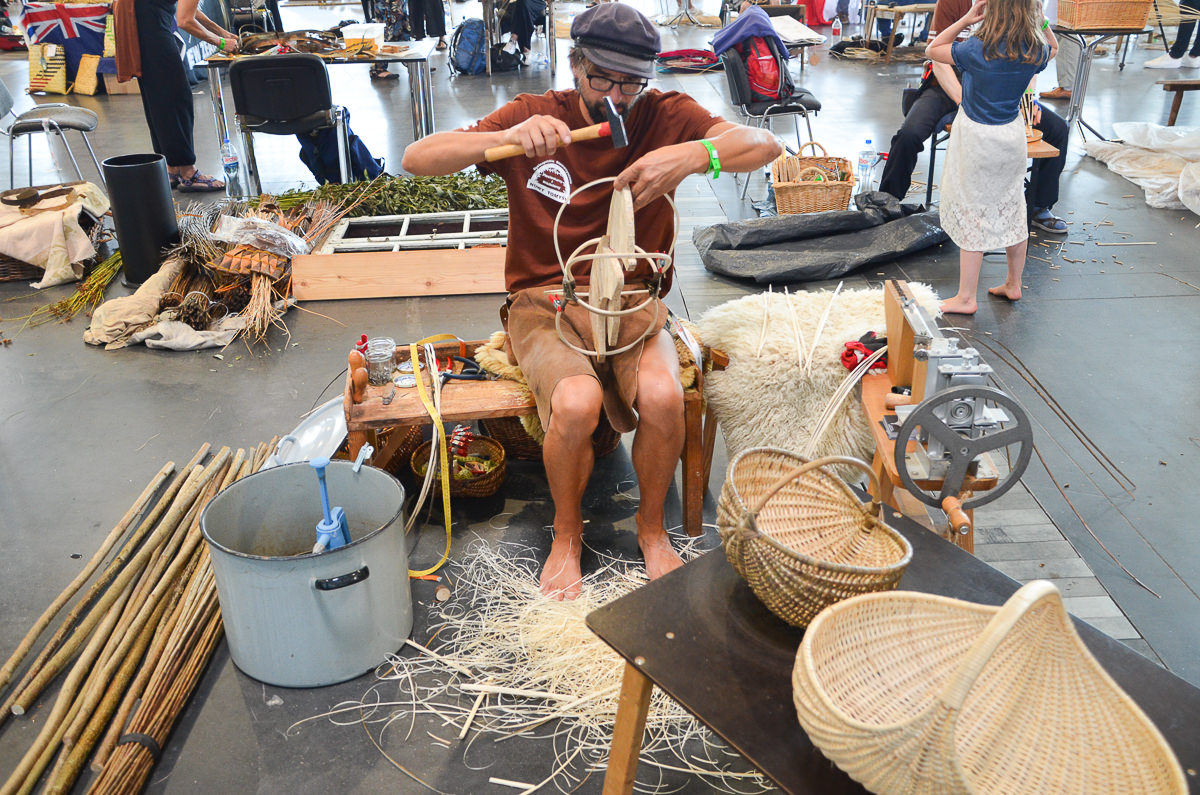
Others combined several wooden molds to form the outer framework of a basket, beginning their work through a wide variety of approaches. 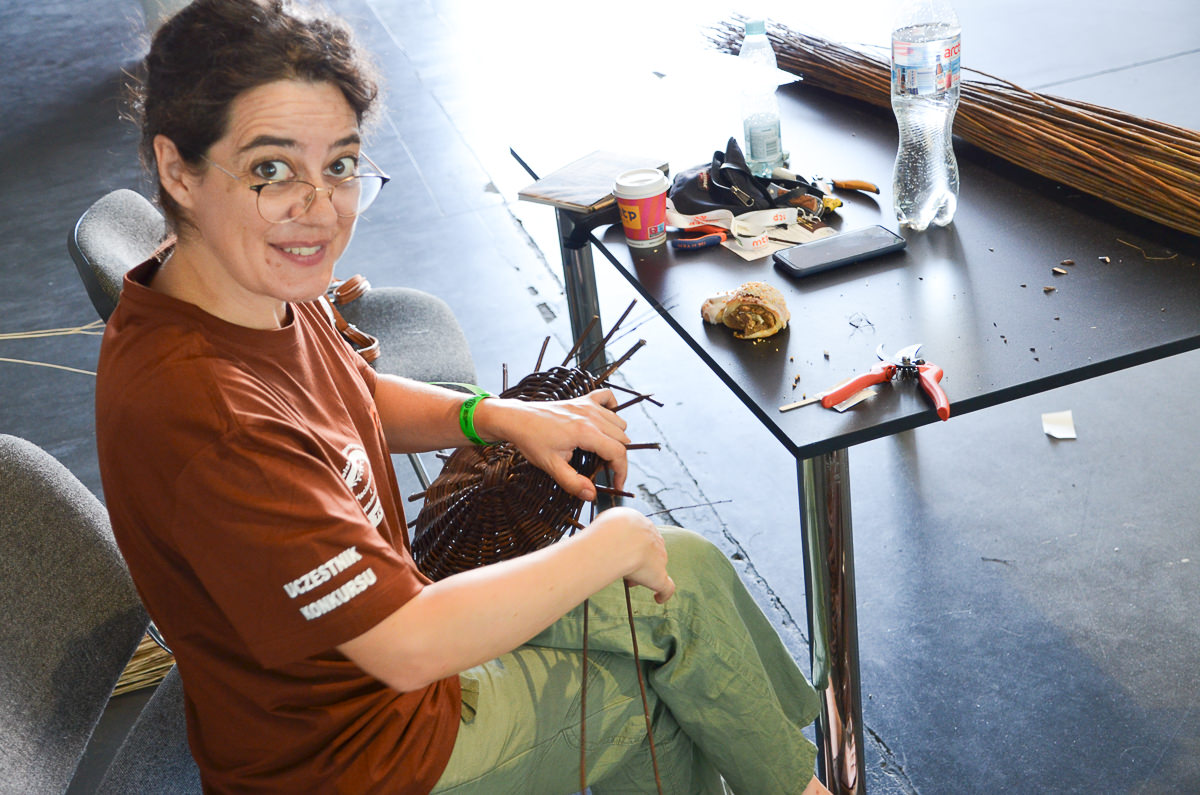
Many participants were weaving baskets using willow as their primary material. 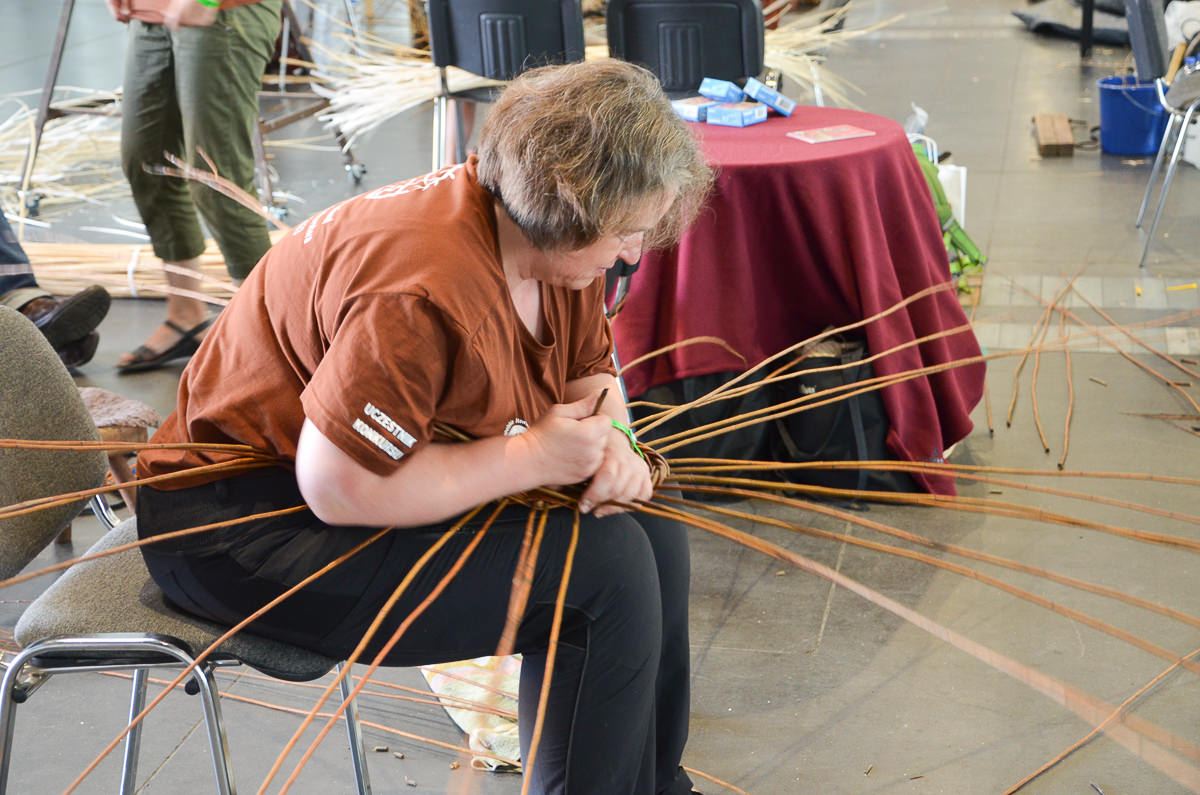
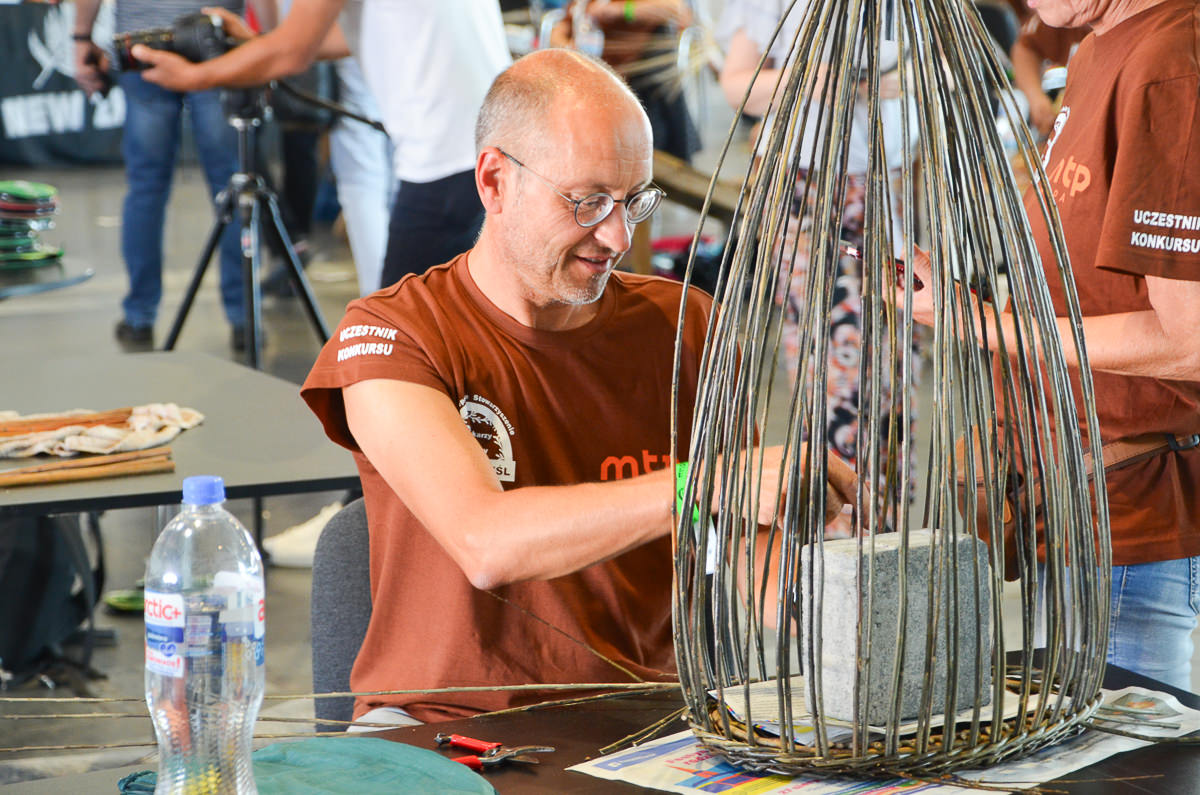
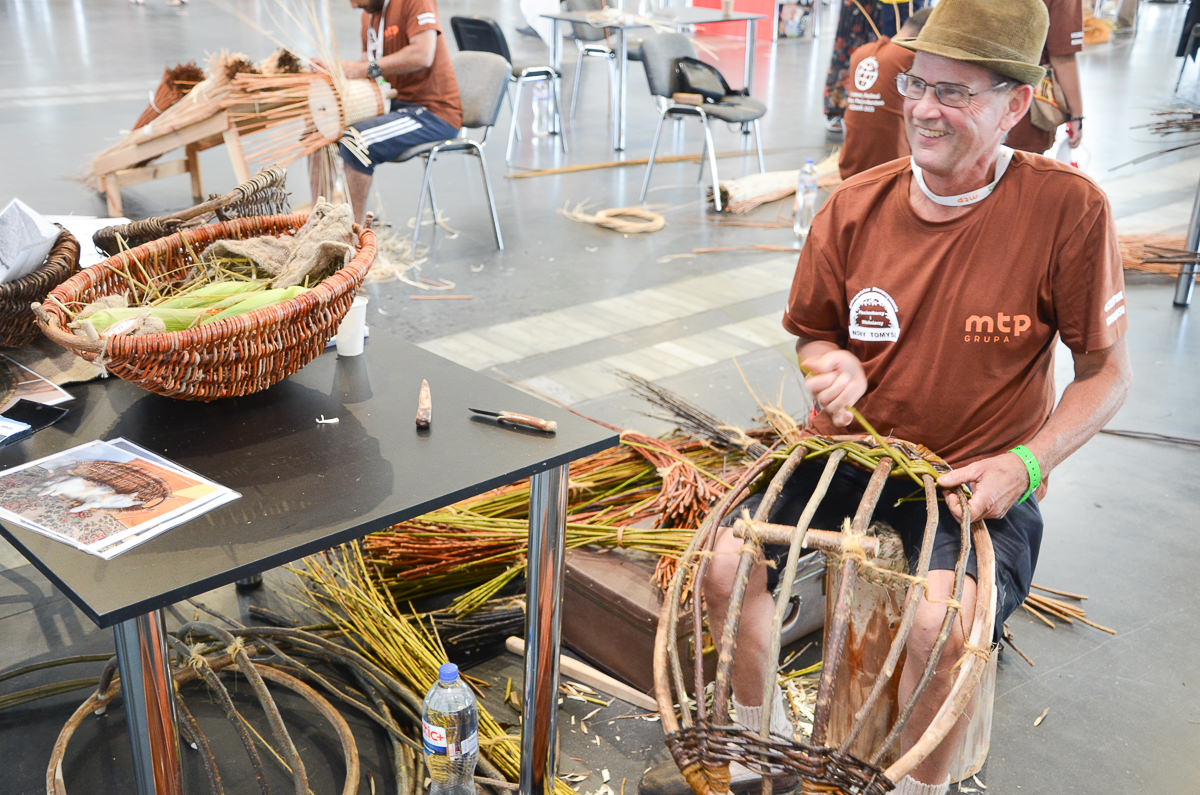
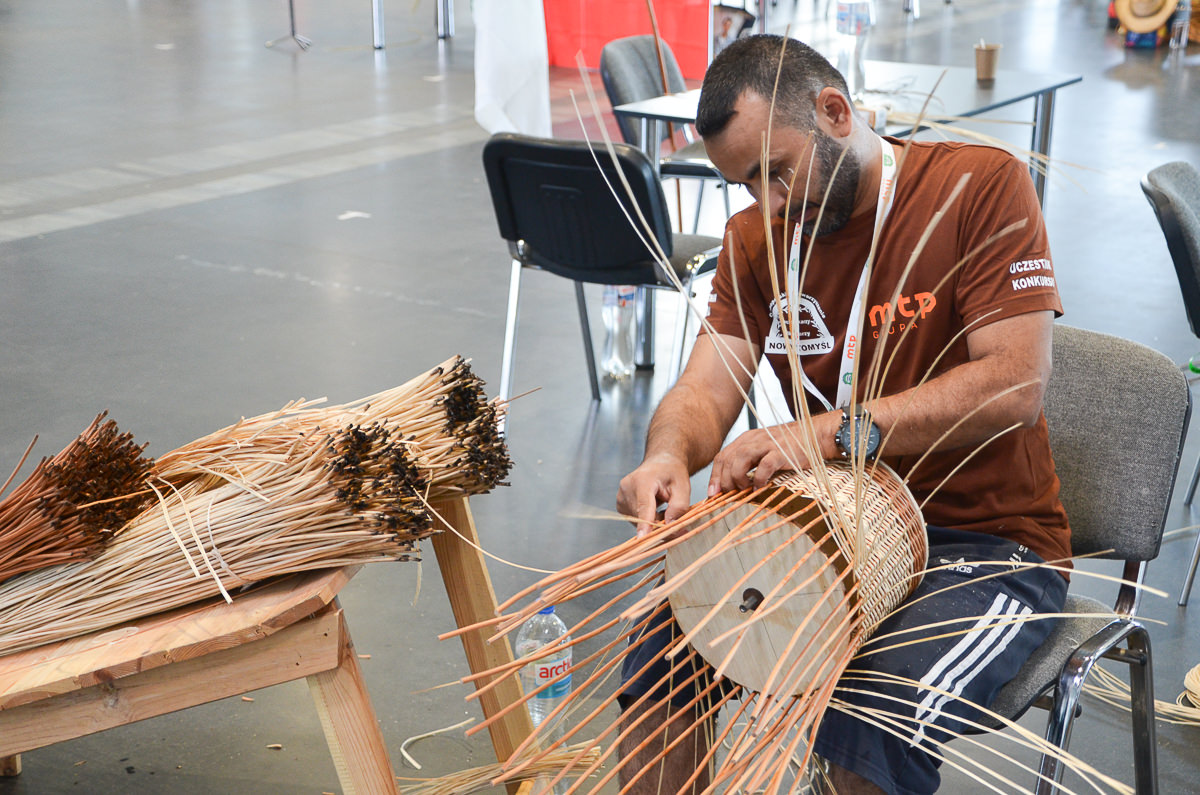
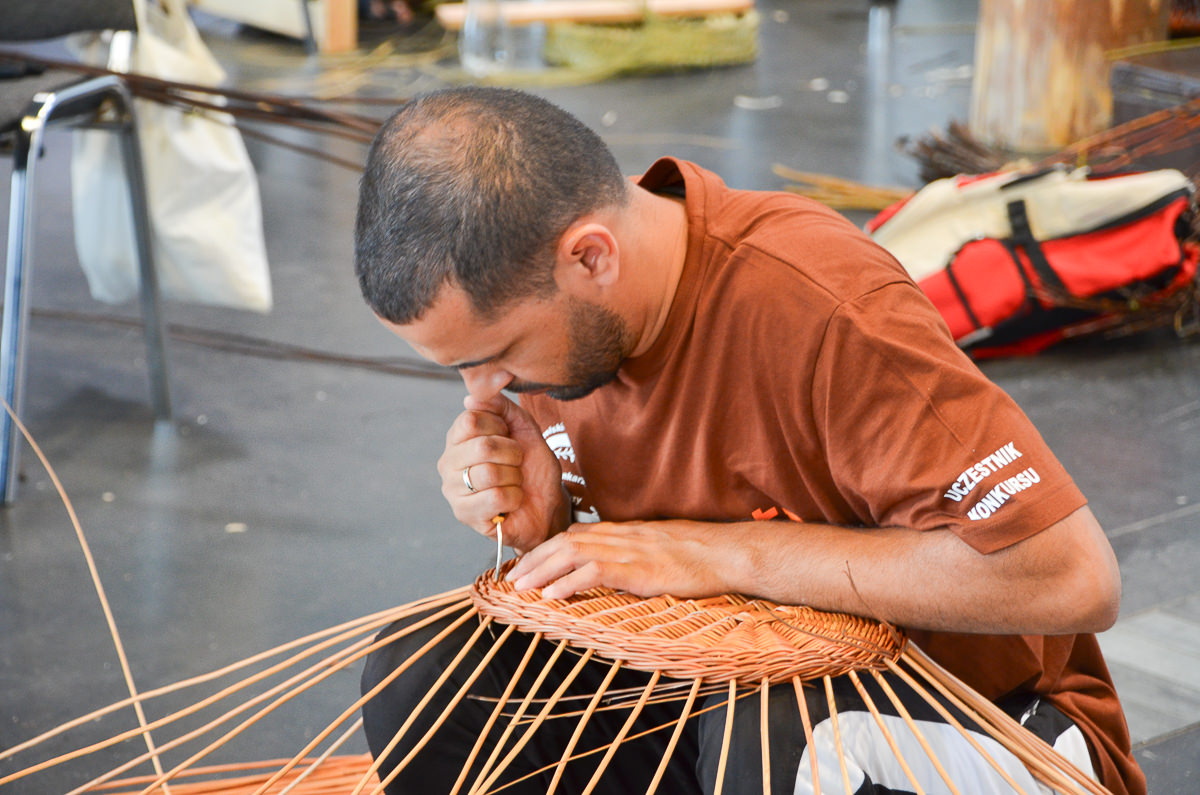
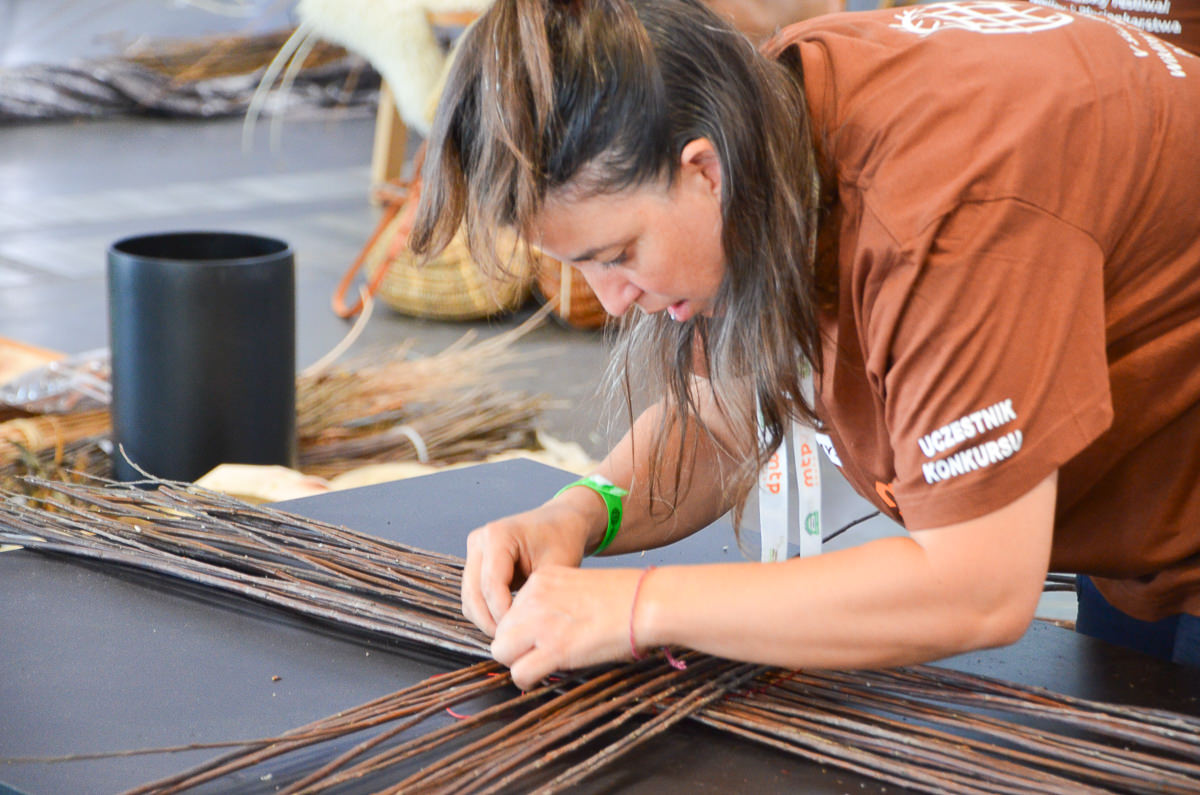
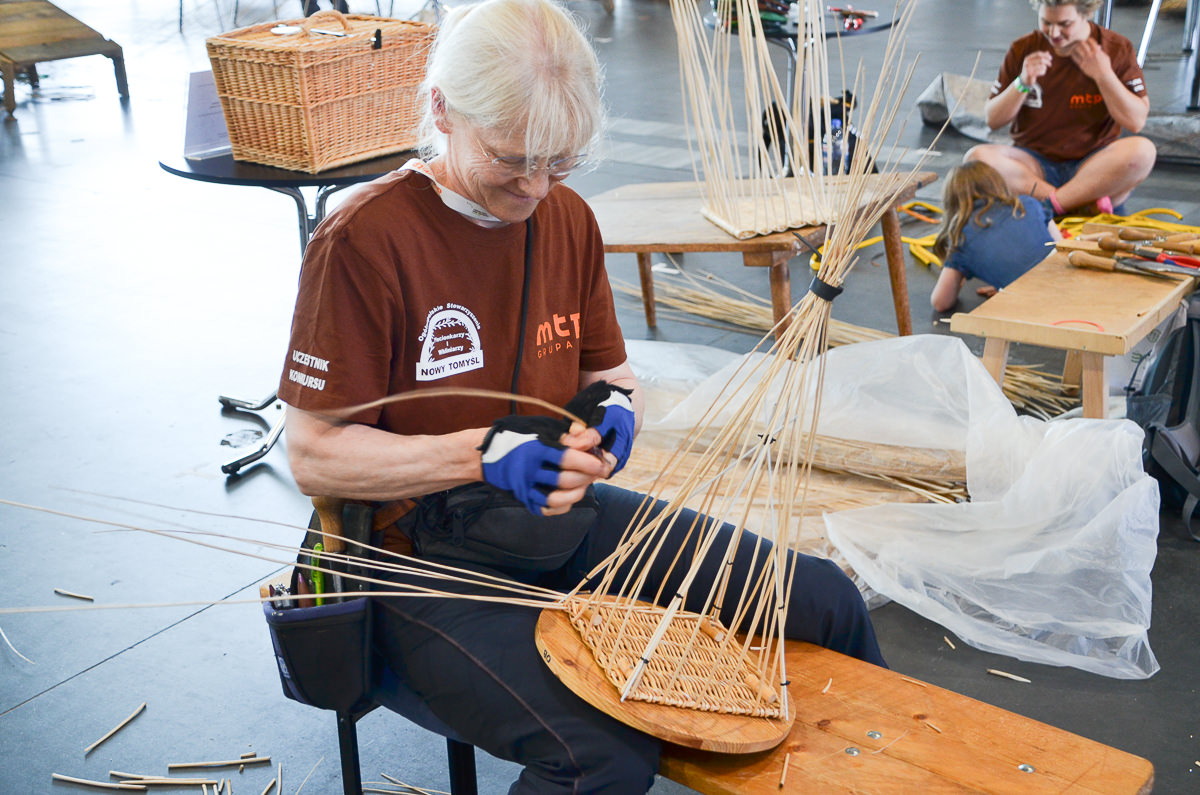
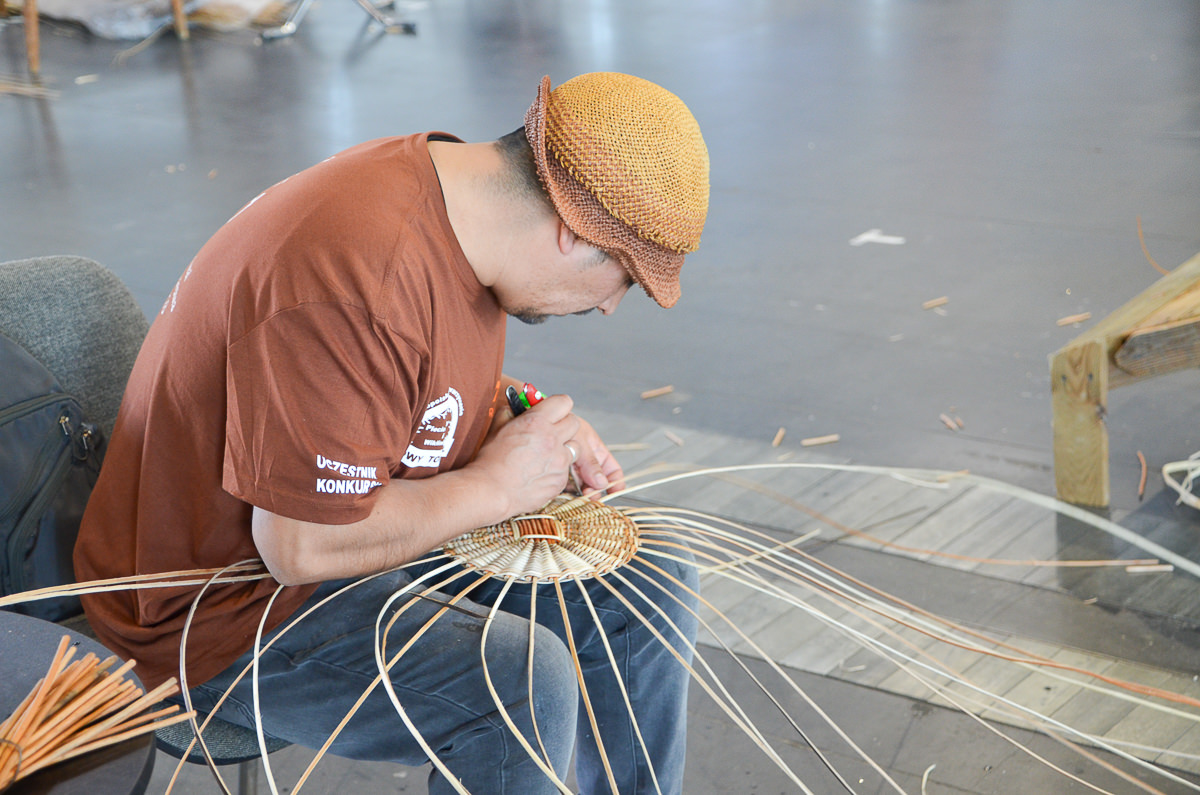
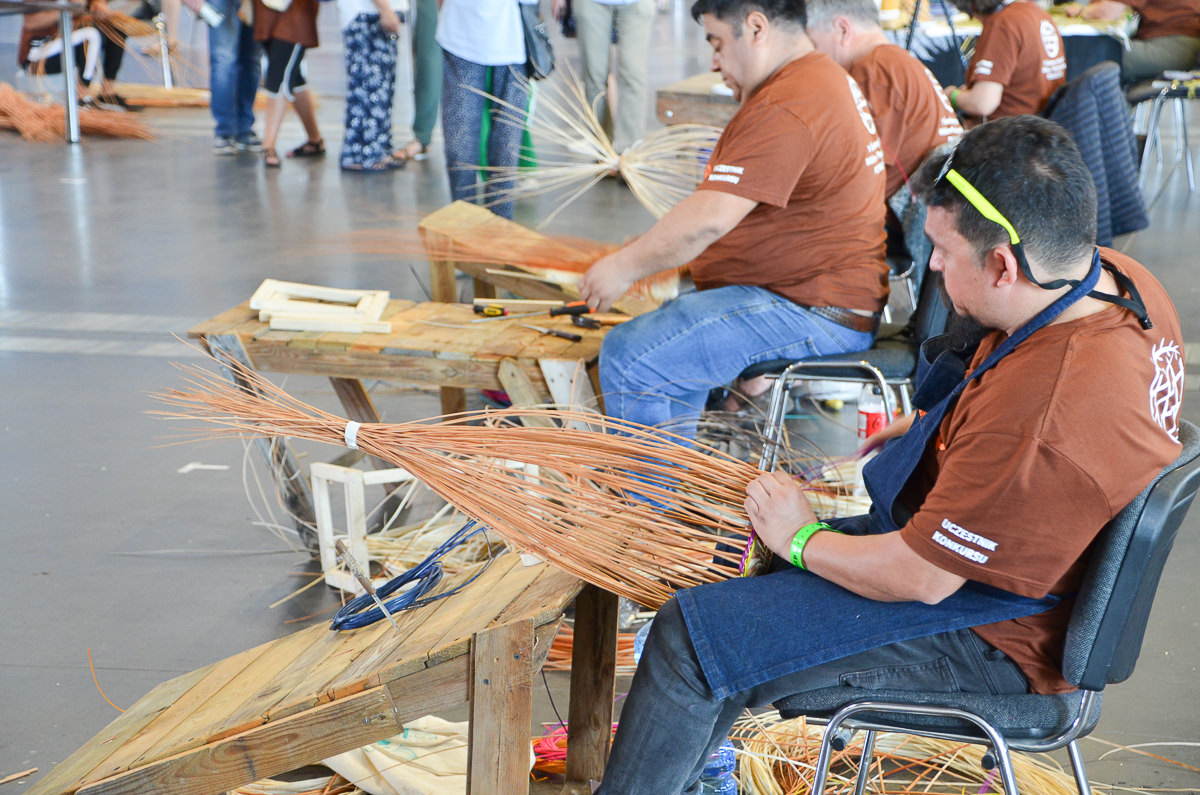
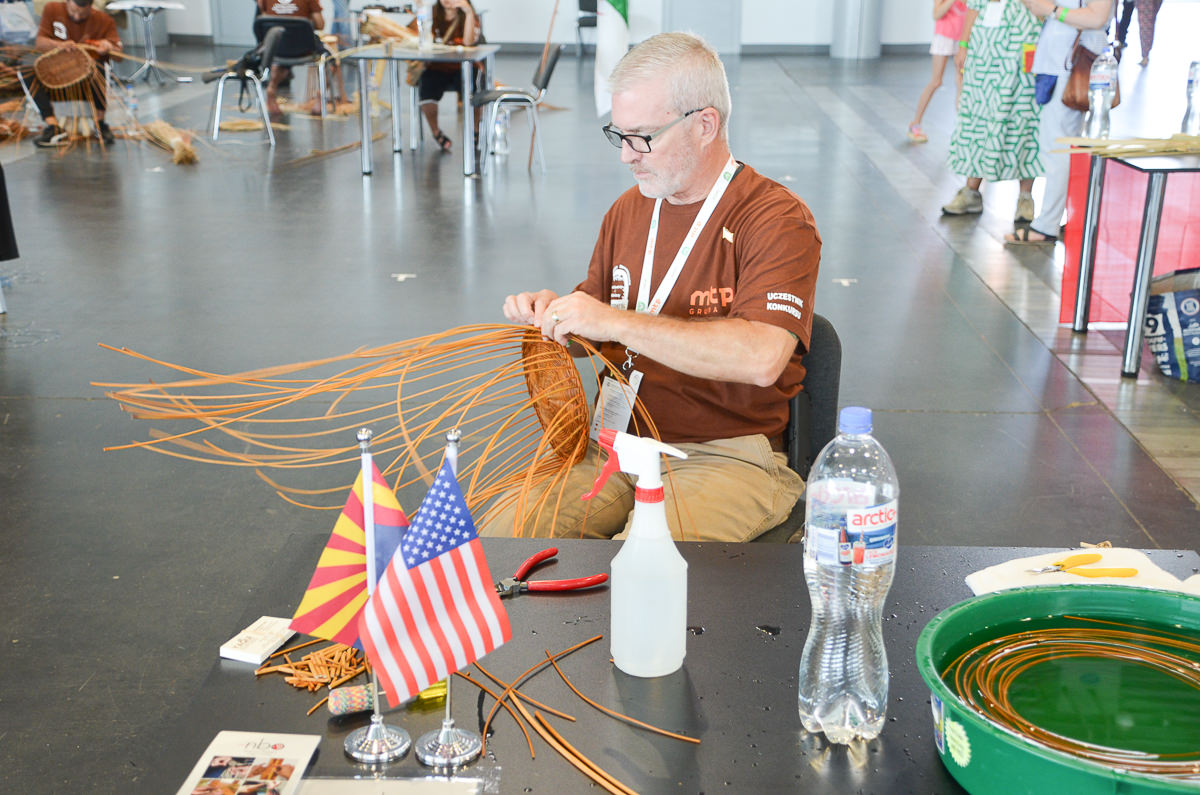
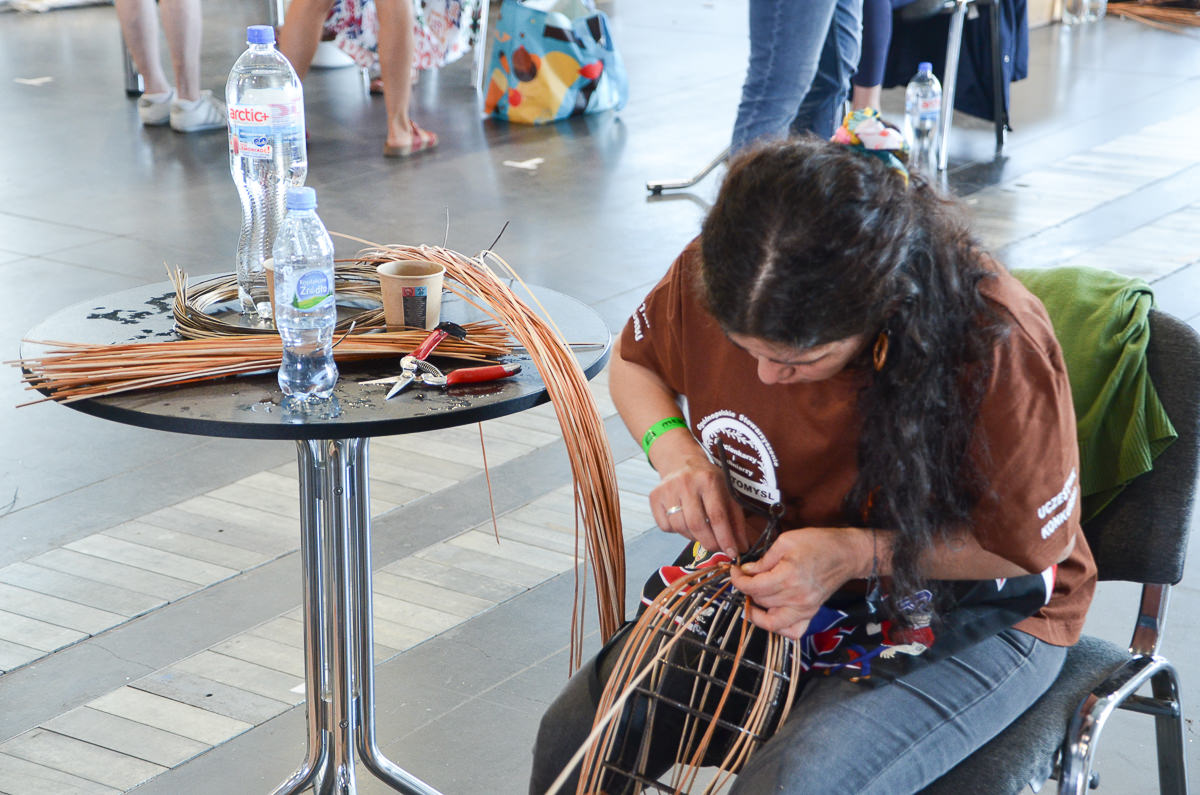
Many participants were also weaving their baskets around metal molds. 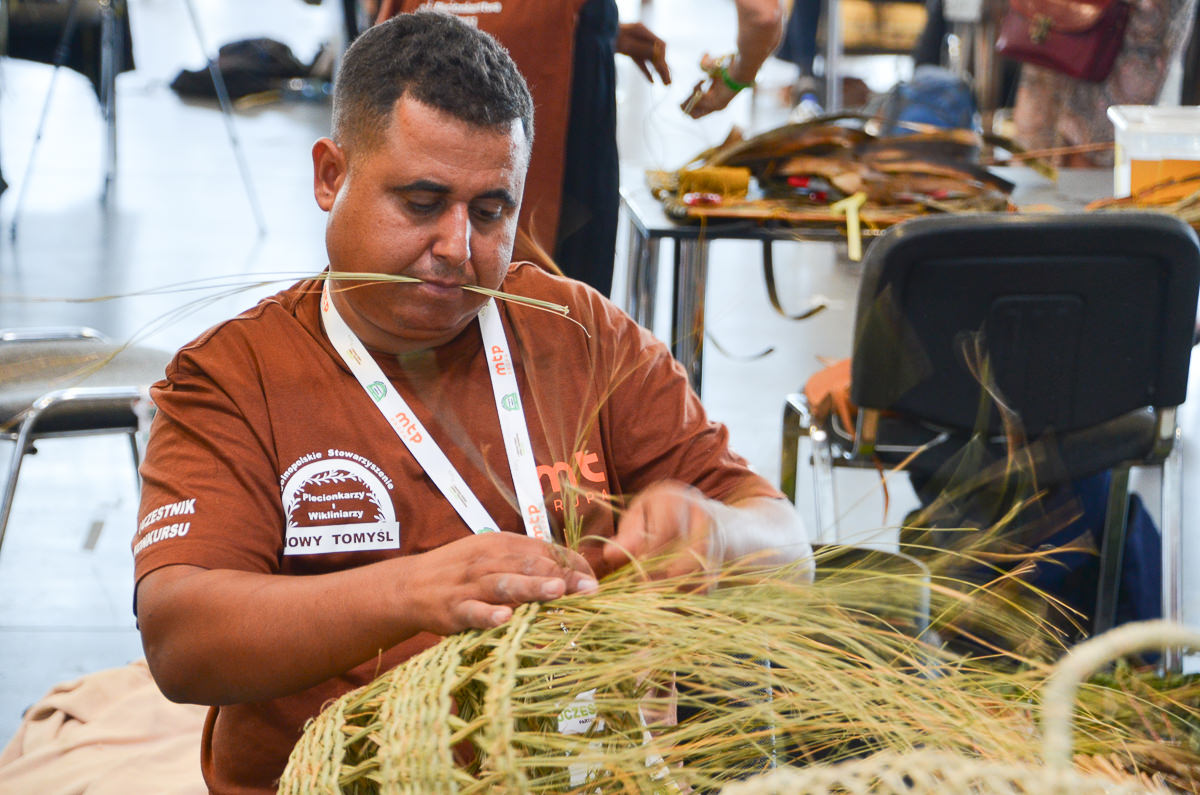
Participants from Morocco were working with esparto grass, a firm and resilient plant fiber. 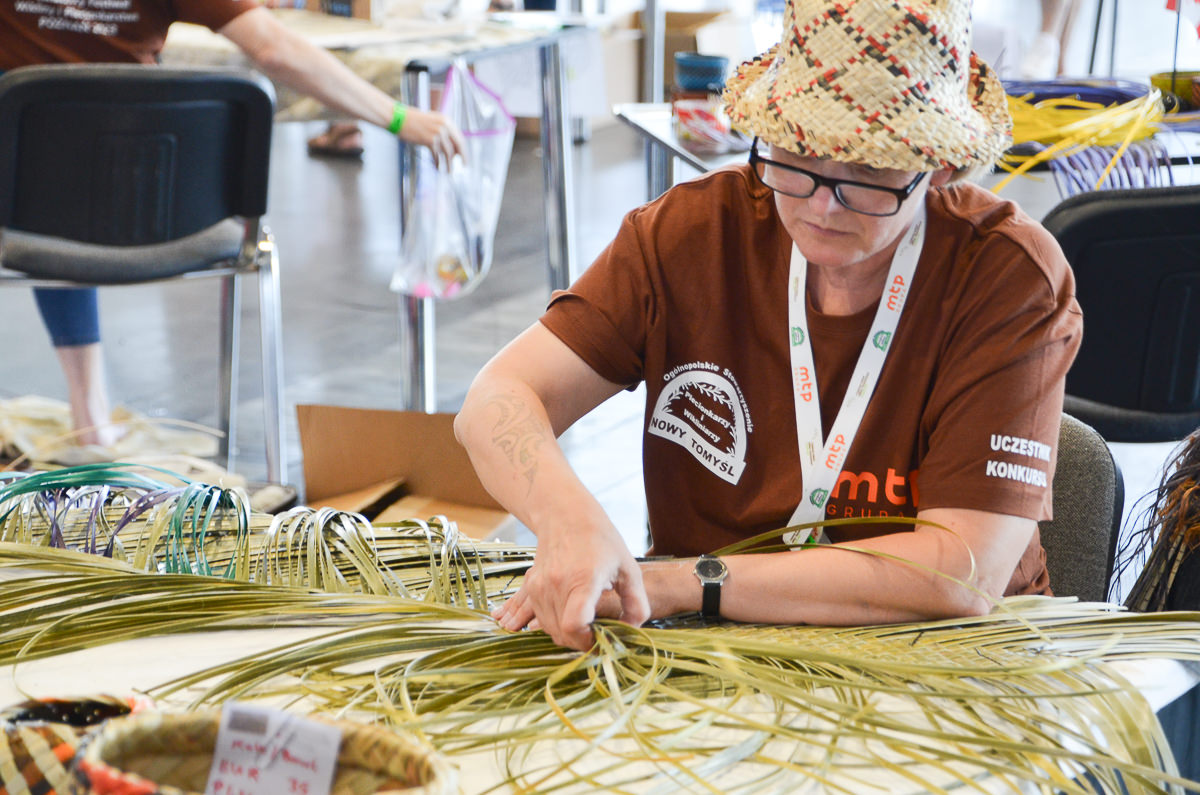
One participant, drawing on Māori basketry traditions from New Zealand, was using a plant fiber known as flax as their material. 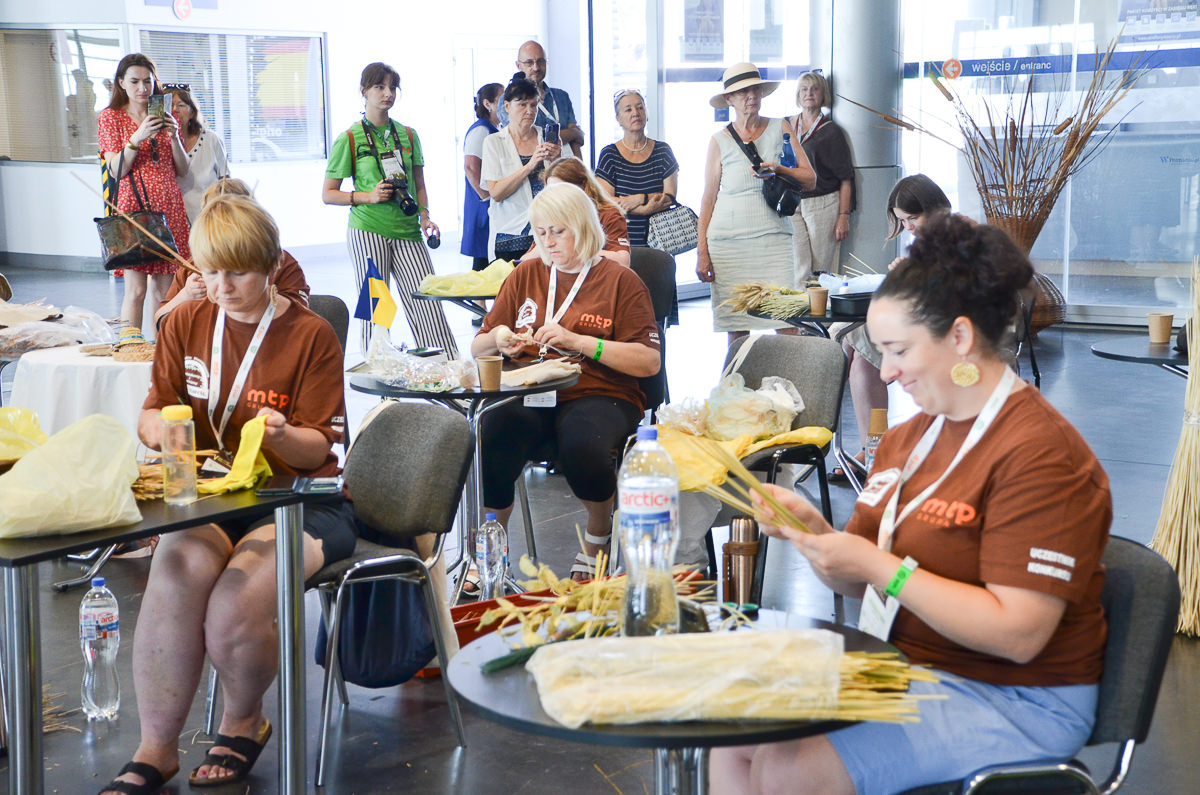
The team from Ukraine was working with wheat straw as their primary material. 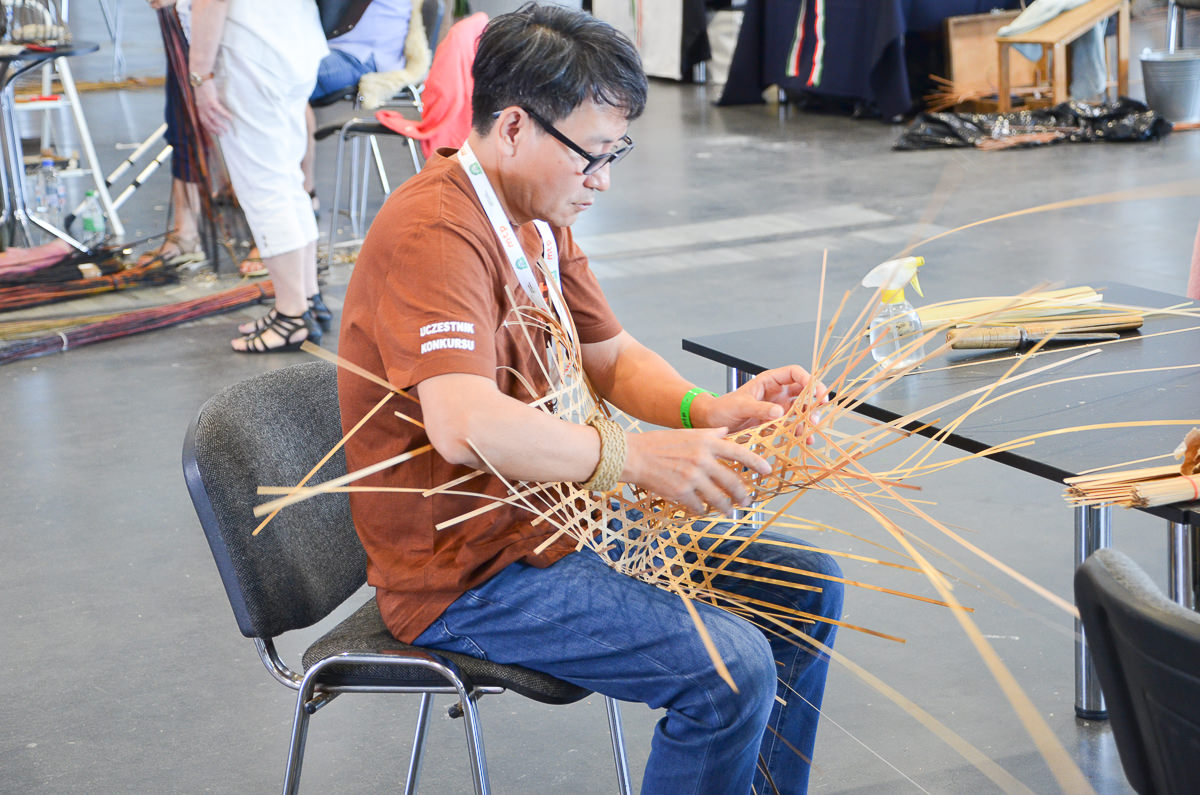
The team from Taiwan was using bamboo similar to that used in Japan. 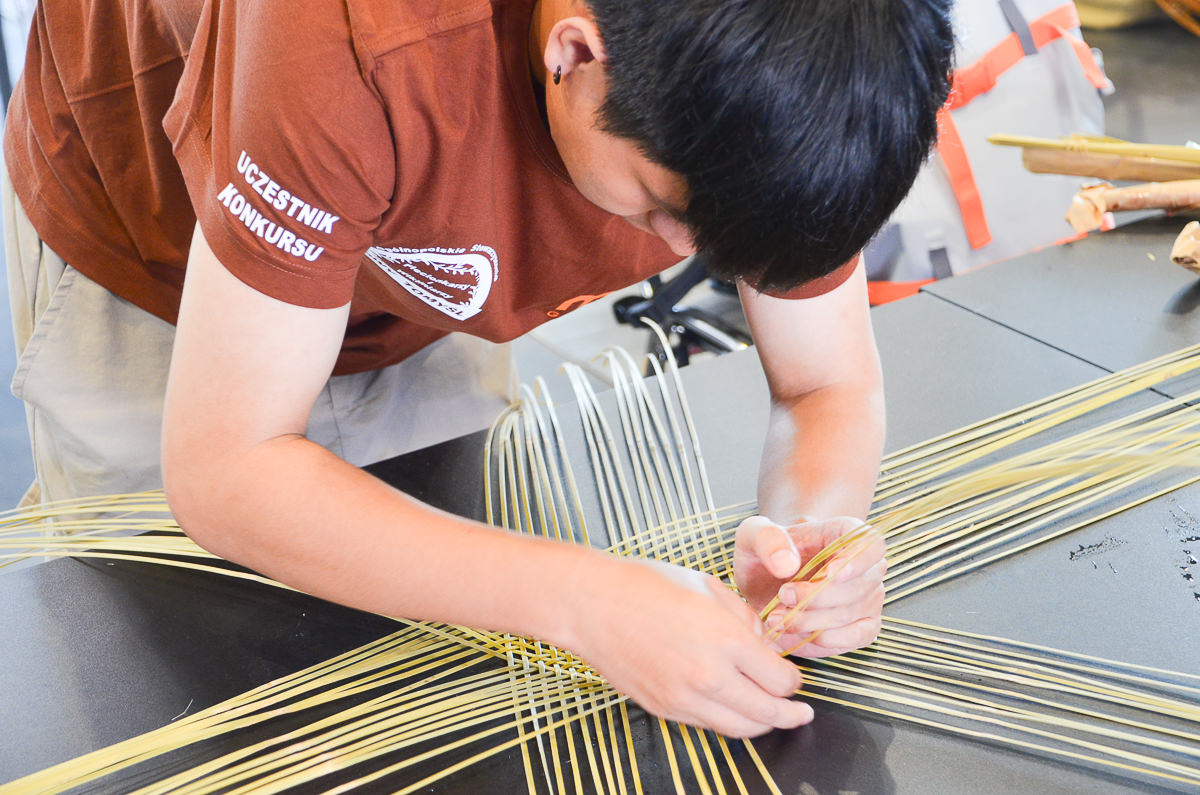
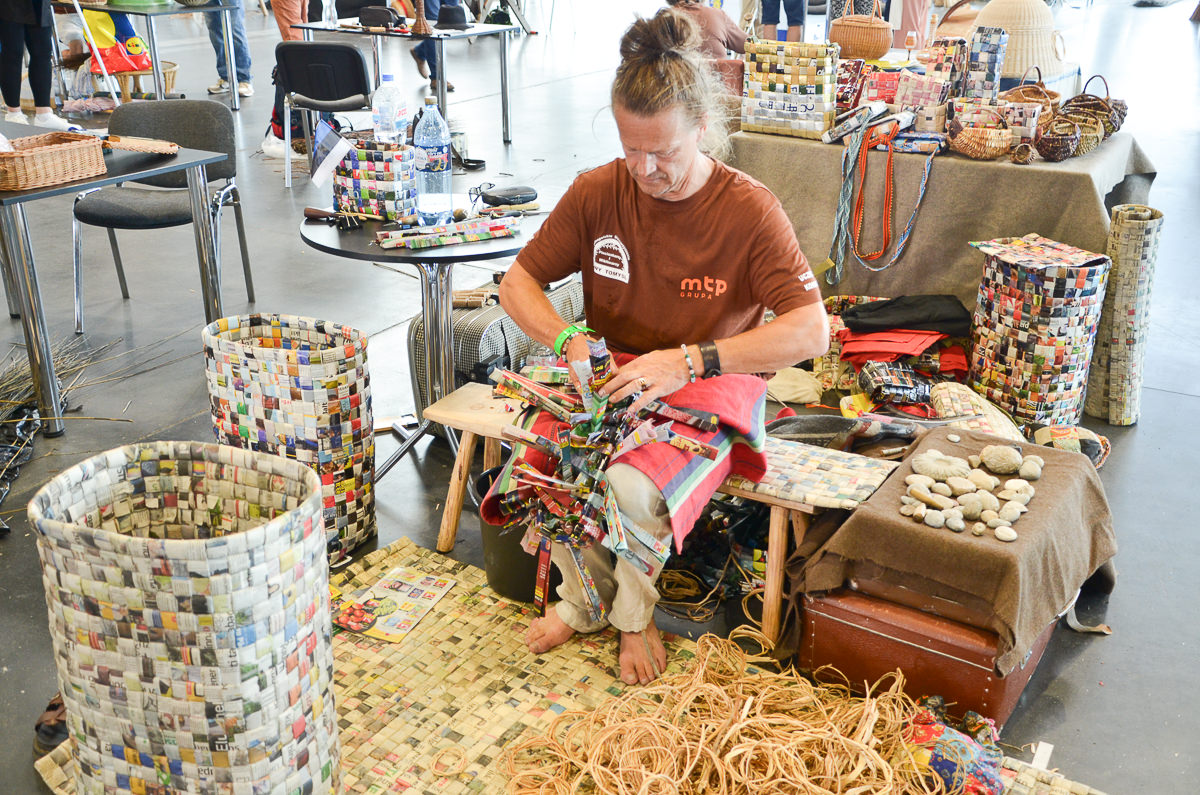
There were also competition categories that used materials other than natural fibers, and some participants wove colorful baskets. This participant is from Estonia.
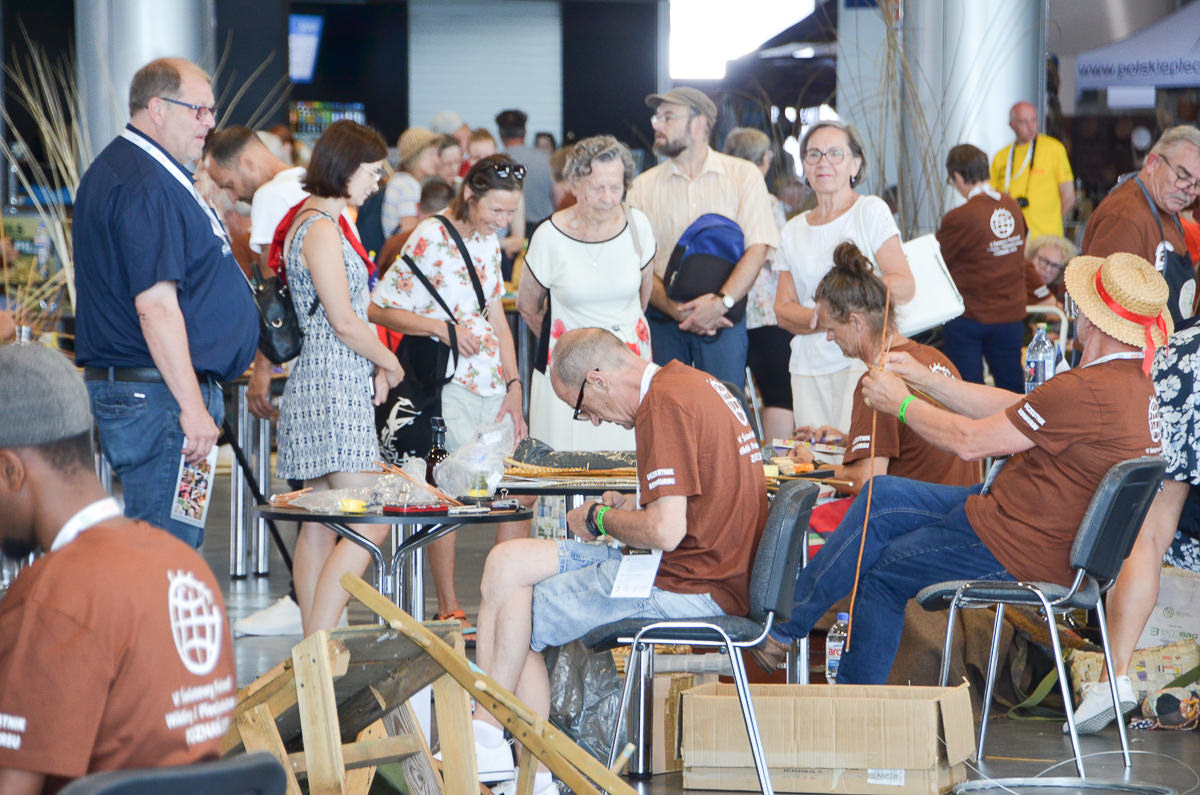
This year’s live competition venue was open to the public,
with paid admission, allowing visitors to come and go freely while taking their time to watch the makers at work.
Visitors who came to the venue were deeply interested in basket making
and often approached the participants casually to start conversations.
As a result, many makers said that when they were talking with visitors, time seemed to pass in the blink of an eye.
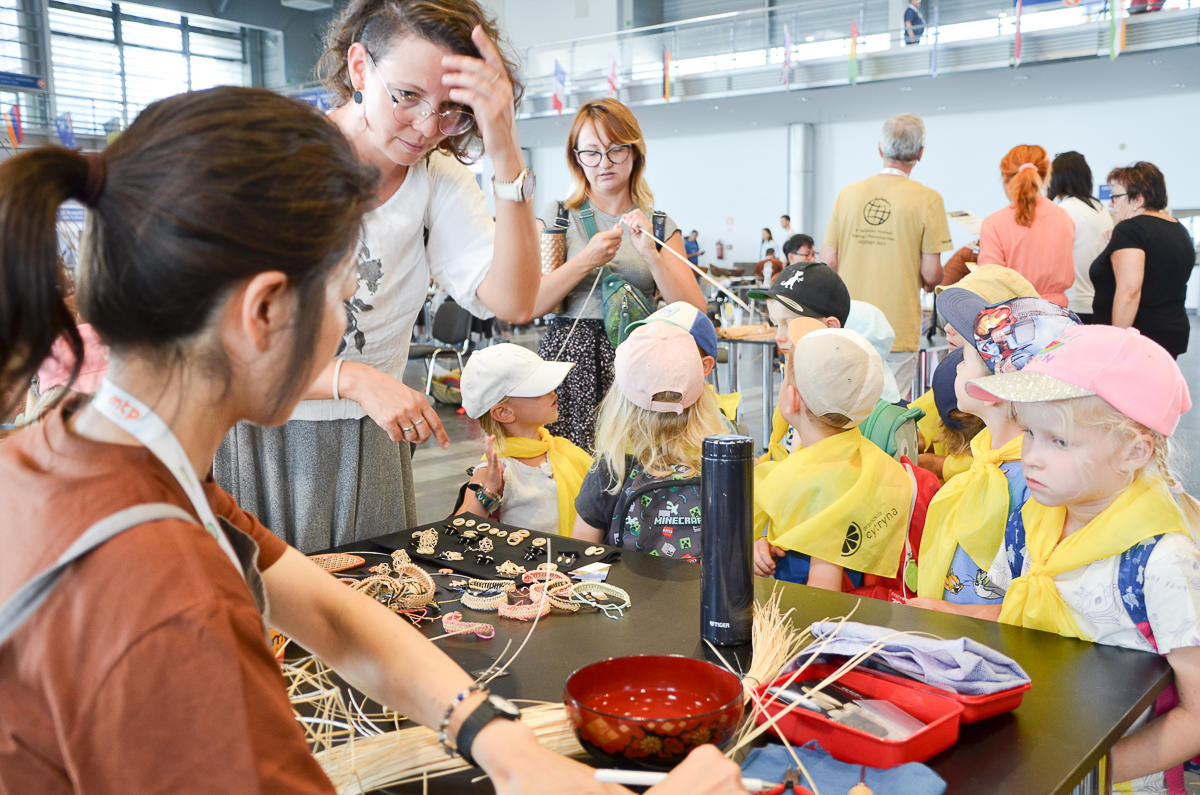
Even while the contest is in progress, makers are asked questions at any time, so from the makers’ perspective, this is a competition that requires careful consideration of balance and time management.
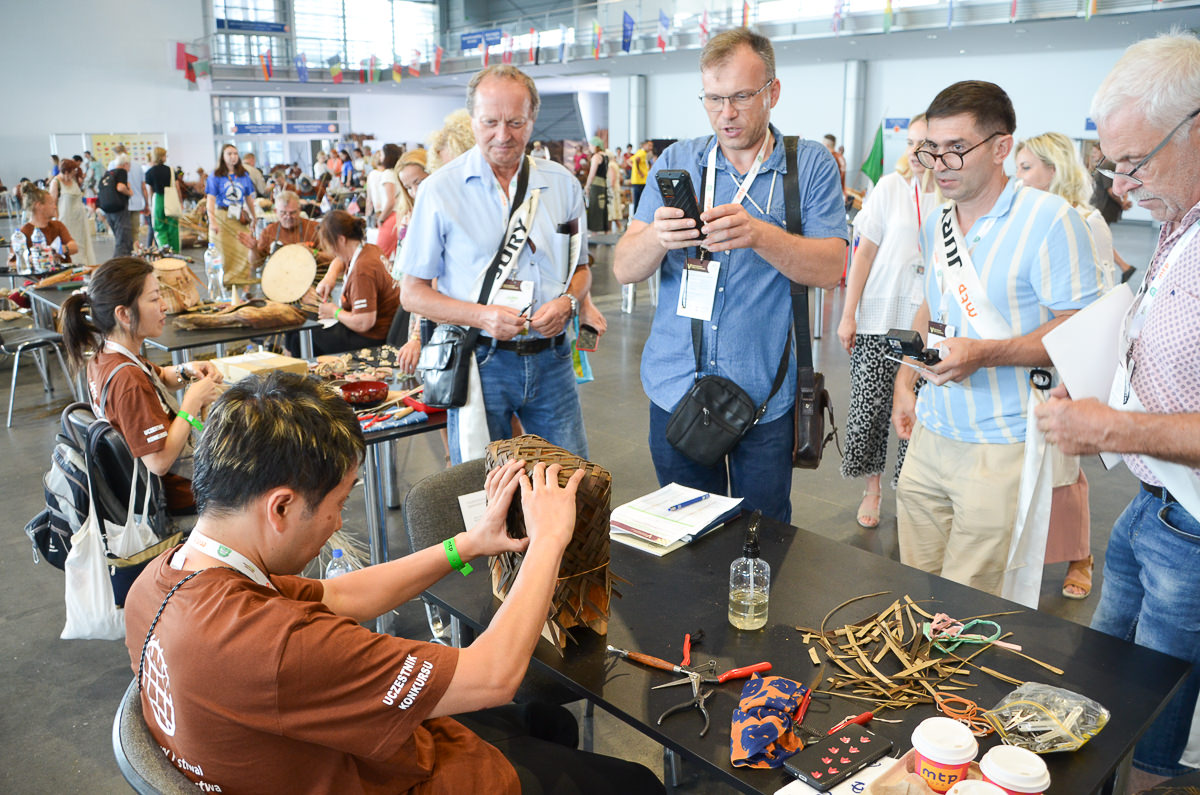
During the competition, judges wearing sashes marked “JURY” also circulate throughout the venue.
They observe the work in progress, ask questions of the makers, and take notes in preparation for the later judging.
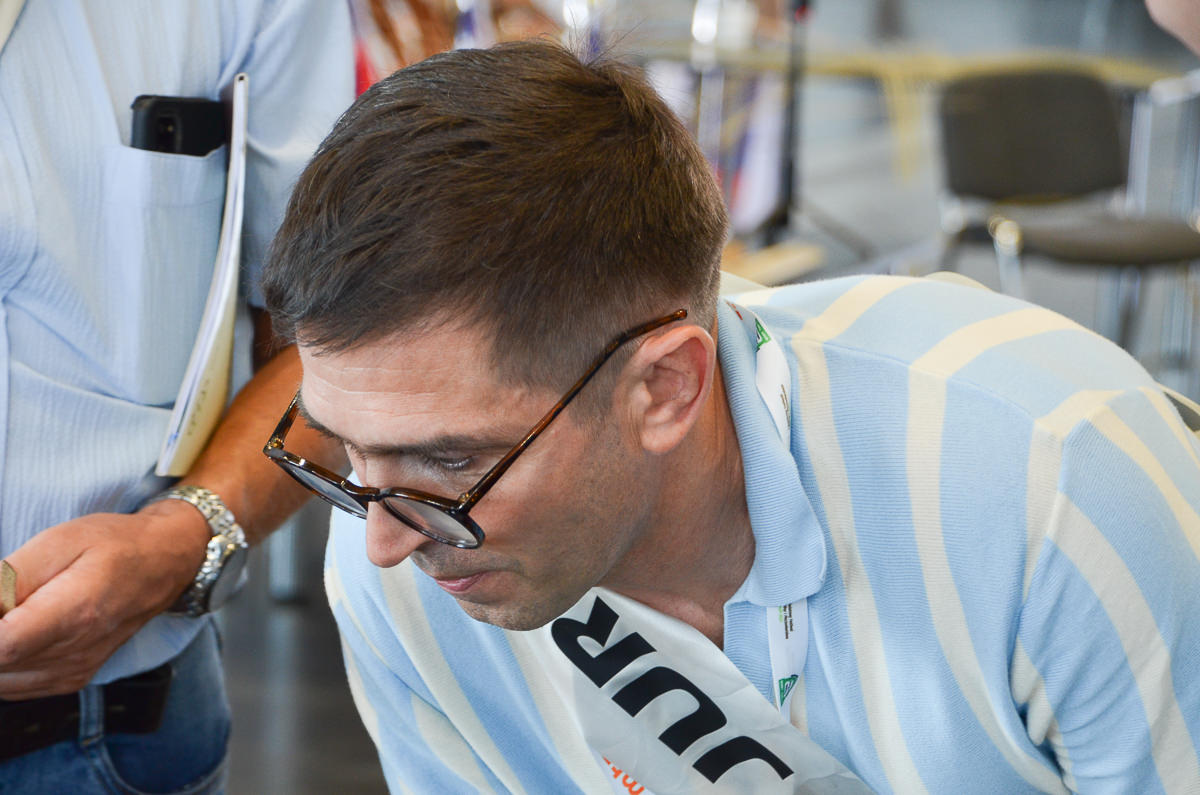
The judges themselves are also basket makers, just like the competitors.
From their focused gazes, one can sense the deep respect shared among fellow craftspeople.
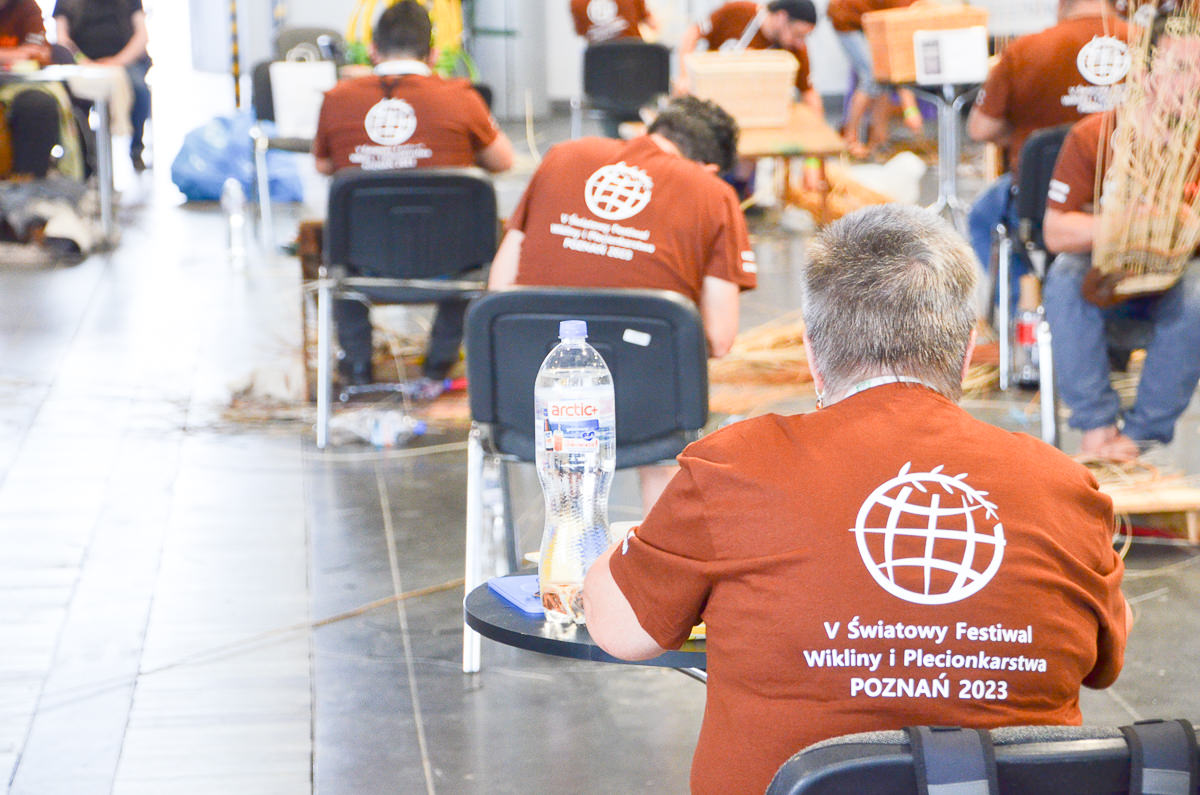
The sight of people deeply focused on making baskets—seen from behind—
feels somehow familiar, and is a scene one could watch endlessly.
Tomotake Ichikawa
+++++++++++++++++++
To be continued